




What is the most expensive part to fix on a furnace?
On an Icp furnace like model NTC6100GFG1, the most expensive repair is typically a major core component, most often the heat exchanger. It is a high-cost part and the job usually involves significant labor compared with items like a limit switch or capacitor.
Most expensive furnace repairs (common ranking)
These are the repairs that usually land at the top because of part cost, labor time, and diagnostic complexity:
- Heat exchanger replacement
- Blower motor or full blower assembly replacement
- Control board replacement
- Inducer motor replacement (if equipped)
- Gas valve replacement
For this NTC6100GFG1 parts list, examples of higher-cost components include the heat exchange 1014491 and the board 1170063.
What you can expect to pay (parts vs. labor)
Parts pricing varies by model and availability, but labor is often the bigger swing factor because it depends on access, venting, wiring, and setup.
| Repair type | Why it gets expensive | Typical cost driver |
|---|---|---|
| Heat exchanger | Major disassembly and reassembly | Labor time + high part cost |
| Blower motor/assembly | Electrical work and fitment | Part cost + setup |
| Control board | Diagnosis and wiring verification | Correct diagnosis |
Why it matters
The “most expensive part” question is really about avoiding repeat repairs. If a high-dollar component fails, we recommend confirming airflow, filter condition, and duct restrictions first because those issues can contribute to overheating and premature failures.
How to reduce the chance of a big repair
- Replace or clean the air filter on schedule
- Keep supply and return vents open and unobstructed
- Watch for short cycling, overheating smells, or unusual blower noise
- Inspect wiring connections for heat damage during service
- Use correct replacement parts for the exact model number NTC6100GFG1
For safe DIY electrical checks, use our how to use a multimeter to test electrical parts video.
Last updated: February 2026
What is the cost to replace a furnace part?
For an Icp furnace model NTC6100GFG1, the cost to replace a part depends on which component failed and whether you’re replacing the part only or paying for diagnosis and labor too. On this model, parts range from low-cost electrical items to higher-cost assemblies like the blower and heat exchanger.
Typical cost ranges (part only vs. installed)
Parts pricing varies by component; installation adds labor, service call, and sometimes additional materials (wire terminals, mounting hardware, sealants).
- Part only: often $5 to $900+ depending on the component
- Installed by a technician: commonly $200 to $1,500+ depending on access, troubleshooting time, and the part
- After-hours or emergency service: typically increases total cost
- Multiple parts: common when a failed motor also damages a capacitor or overheats wiring
Example part prices for NTC6100GFG1 (from this parts list)
These examples help you ballpark the “part only” portion of the repair.
| Part (example) | What it affects | Typical symptom when bad | Example price range |
|---|---|---|---|
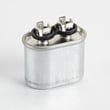
| Cap rnrd 12907 | Blower motor starting/running | Hums, slow start, trips breaker | Low |
| Limit switch 1013102 | Safety shutoff | Furnace starts then shuts down | Low to moderate |
| Furnace blower fan motor, 1/2-hp 1013341 | Airflow | No/weak airflow, overheating | High |
| Heat exchange 1014491 | Heat transfer | Poor heat, safety trips, shutdowns | Very high |
What drives the total replacement cost
- Diagnosis time (pinpointing whether it’s the motor, control board, limit switch, or wiring)
- Labor time (blower removal, wiring, reassembly, test run)
- Part type (motor and heat exchanger repairs cost more than switches and capacitors)
- Condition of related parts (burnt connectors, damaged harnesses, dirty blower wheel)
- System setup (tight closet installs and older ductwork can increase labor)
Why it matters
Furnace parts are tied to safety controls and airflow. Replacing the correct component (and fixing the root cause, like restricted airflow that trips a limit switch) helps prevent repeat shutdowns and protects major components like the blower motor and control board.
Last updated: February 2026
What is the most common part to fail on a furnace?
On an Icp furnace like model NTC6100GFG1, the most common “failure point” is usually not a major assembly; it is an airflow or flame-proving issue such as a dirty air filter, a dirty flame sensor, or an ignition component that cannot light reliably. When a safety circuit trips, the furnace shuts down to prevent overheating or unsafe ignition.
Most common culprits (what we see most often)
- Dirty/clogged air filter: restricted airflow overheats the heat exchanger area and can trip a limit switch.
- Flame sensor contamination: the burner lights but the control board does not “prove” flame, so it shuts the gas off.
- Ignition problems: weak igniter/pilot assembly, poor grounding, or intermittent spark.
- Overheat safety trips: a failing or weak temperature limit can open early.
- Blower problems: worn motor, bad capacitor, or a damaged blower wheel reduces airflow.
Quick checks you can do first (before replacing parts)
- Replace the air filter and confirm all supply and return vents are open.
- Confirm the thermostat is calling for heat and the furnace switch and breaker are on.
- Watch the start-up sequence: inducer, ignition, flame, then blower.
- If burners light then shut off in seconds, clean the flame sensor and check wiring connections.
- If the furnace runs briefly then shuts down hot, check for airflow restrictions and overheating.
Parts on this model that commonly relate to these symptoms
| Symptom you notice | Common cause | Example part for NTC6100GFG1 |
|---|---|---|
| Furnace overheats, cycles off | Safety limit opening | Limit switch 1013102 or limit switch 1013105 |
| Blower hums, starts slowly, or will not start | Weak run capacitor | Cap rnrd 12907 |
| Poor airflow, noisy blower | Worn wheel or motor | Furnace blower fan wheel 601210 or furnace blower fan motor, 1/2-hp 1013341 |
| No ignition or unreliable lighting | Igniter/sensor issue | Furnace pilot igniter and sensor 1009524 |
Why it matters
Most furnace “breakdowns” are safety shutdowns caused by airflow, ignition proving, or overheating. Fixing the root cause (filter, airflow, sensor cleanliness, wiring) prevents repeat failures and protects expensive components like the heat exchanger and control board.
Last updated: February 2026
What are the most common furnace repairs?
The most common repairs on an Icp furnace like model NTC6100GFG1 involve airflow problems (dirty filter, blower issues), ignition problems (igniter or flame sensing), and safety shutdowns caused by overheating or electrical faults. Many fixes come down to restoring proper airflow, reliable ignition, and correct electrical operation.
Most common repair areas (and what they usually point to)
- Airflow restriction: clogged air filter, blocked return vents, dirty blower wheel
- Blower problems: noisy, weak, or non-running blower motor; failed run capacitor
- Ignition and flame sensing: furnace tries to light but shuts off quickly; intermittent heat
- Overheat shutdowns: limit switch opens because the furnace is running too hot
- Control and wiring issues: loose connections, damaged wires, or a failing control board/relay
Parts that commonly fail on NTC6100GFG1
If your symptoms match, these are common repair parts we see for this model:
- Furnace pilot igniter and sensor 1009524 (no-heat, short cycling after ignition)
- Limit switch 1013102 or limit switch 1013105 (overheat trips, blower runs but burners shut off)
- Cap rnrd 12907 (blower hums, starts slowly, or will not start)
- Furnace blower fan motor, 1/2-hp 1013341 (no airflow, overheating, loud motor)
- Board 1170063 (blower timing issues, intermittent operation)
Quick symptom-to-repair guide
| Symptom | Most likely area | Common next step |
|---|---|---|
| Runs but no heat | Ignition/flame sensing | Inspect igniter/sensor, check flame signal |
| Heats then shuts off | Overheating/airflow | Replace filter, check vents, test limit switch |
| Blower will not start | Motor/capacitor/control | Test capacitor, verify motor voltage |
| Loud rattling or vibration | Blower wheel | Inspect wheel for damage or buildup |
Why it matters
Furnaces are designed to shut down heat when they detect unsafe conditions (overheating, ignition failure, or control faults). Fixing the root cause protects the heat exchanger, improves comfort, and helps prevent repeated lockouts.
Safety and troubleshooting notes
- Turn off power at the furnace switch or breaker before checking wiring.
- If you smell gas, stop and have the system checked immediately.
- For electrical checks, use a meter and follow safe testing practices; our how to use a multimeter to test electrical parts video is a good starting point.
Last updated: February 2026