Owner’s manual
 Error Codes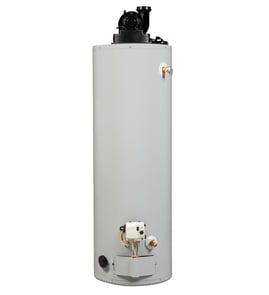



How to check a water heater model?
On the Kenmore gas water heater model 153339161, the model number is printed on the rating plate on the front of the water heater. Use that rating plate to confirm the exact model number and capture other key details (like the input rating and safety valve specs) before ordering parts or troubleshooting.
Where to find the model number (rating plate)
Look for a label called the rating plate on the front of the tank.
- Check the front jacket area of the water heater for a printed label
- Write down the full model number exactly as shown: 153339161
- Record the serial number and manufacture date if listed
- Take a clear photo of the entire label for reference
- Use the rating plate details when matching parts like a burner, pilot assembly, or relief valve
What information to copy from the rating plate
The rating plate is more than a model tag; it helps you match safety and performance-critical parts.
| Rating plate item | Why it matters | When you use it |
|---|---|---|
| Model number | Ensures correct parts lookup | Ordering parts, manuals |
| Input rate (BTU) | Confirms burner sizing | Burner or orifice replacement |
| Max working pressure (often 150 psi) | Must match relief valve rating | Replacing T and P relief valve |
| Serial number / manufacture date | Helps identify production version | Verifying compatibility |
Why it matters
Using the exact model number from the rating plate prevents mismatched parts and unsafe substitutions. For example, a replacement temperature and pressure relief valve must meet code requirements and match the water heater rating plate limits, and venting and combustion components must be correct for the unit.
Helpful references for this model
- Use the 153339161 owner’s manual to identify the rating plate location and other labeled components (like the drain valve, pilot, and burner).
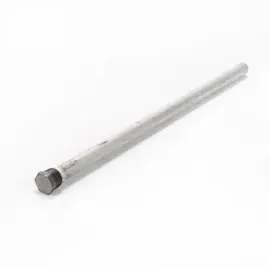
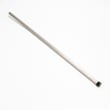
- If you are ordering maintenance parts, the water heater anode rod 100108660 is a common wear item that helps protect the tank from corrosion.
Last updated: January 2026
How long should a thermocouple last on a water heater?
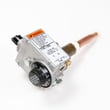
On a Kenmore gas water heater model 153339161, a thermocouple typically lasts 5 to 10 years under normal use; it can fail sooner if the pilot flame is unstable or the burner area is dirty. Use the 153339161 owner's manual for model-specific safety and maintenance guidance.
What affects thermocouple life
A thermocouple is a safety sensor; it sits in the pilot flame and helps keep the gas valve open. These conditions most often shorten its life:
- Dust, lint, or debris restricting combustion air at the base of the heater
- A weak or misdirected pilot flame that does not fully heat the sensor tip
- Corrosion from moisture, spills, or a damp utility area
- Sooting from improper combustion or venting issues
- Frequent pilot outages and relighting
Quick checks before replacing parts
If the pilot will not stay lit, we recommend these basic checks first (gas appliances require caution):
- Vacuum around the base of the water heater and keep combustion air openings clear
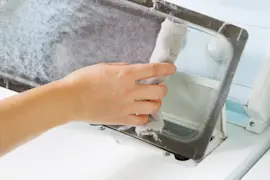
- Visually inspect and clean the air intake screen at least every 6 months
- Confirm the pilot flame is steady and contacting the thermocouple tip
- Make sure the burner access/door is installed correctly after inspection
- If you smell gas or suspect venting problems, stop and use a qualified technician
Related maintenance that helps prevent nuisance shutdowns
Keeping the tank and burner system maintained reduces overheating and combustion problems that can contribute to pilot issues.
| Maintenance item | Typical interval | Why it matters |
|---|---|---|
| Clean air intake screen and base area | Every 6 months | Helps ensure proper combustion air |
| Inspect anode rod condition | Every 3 years | Protects the tank from corrosion |
| Check for leaks at fittings/valves | Ongoing | Prevents corrosion and damage |
If you are already servicing the heater, the water heater anode rod 100108660 is a common wear item for tank protection.
Why it matters
A failing thermocouple can shut off gas to the burner and leave you with no hot water. Regular airflow and combustion-area cleaning helps the pilot burn correctly and supports reliable, safe operation.
Last updated: January 2026
What is the life expectancy of a Kenmore water heater?
A Kenmore gas water heater like model 153339161 typically lasts 8 to 12 years. With correct installation, safe combustion air, and routine maintenance (especially tank protection), many units reach the upper end of that range; neglected maintenance shortens service life.
What affects lifespan most
- Water quality and sediment buildup in the tank
- Anode rod condition (corrosion protection for the tank)
- Operating temperature (higher settings increase wear and scale)
- Combustion air and venting (gas models need proper airflow to run safely and efficiently)
- Leak history at fittings, drain valve, or the tank itself
Maintenance that helps you reach 8 to 12 years
Use the maintenance schedule and safety guidance in the 153339161 owner's manual.
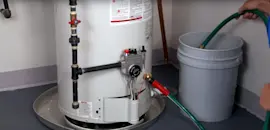
- Flush sediment from the tank periodically using the drain valve
- Inspect and replace the anode rod when it is heavily worn
- Keep the burner area clean and make sure air openings are not blocked
- Check the temperature and pressure relief valve discharge line for safe routing
- Watch for early warning signs: rumbling, reduced hot water, rusty water, or moisture at the base
Common “wear” parts that support longer tank life
| Part | What it does | When it matters most |
|---|---|---|
| Water heater anode rod 100108660 | Helps prevent tank corrosion | Rusty water, older tank, aggressive water |
| Water heater drain valve 100108778 | Lets you flush sediment | Rumbling, slow recovery, heavy sediment |
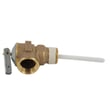
| Wheelers water heater temperature and pressure relief valve 100108455 | Safety pressure/temperature protection | Dripping valve, overheating concerns |
Why it matters
Once the tank itself starts leaking, replacement is the practical fix. Preventive maintenance focuses on slowing internal corrosion and sediment damage so your Kenmore water heater can deliver reliable hot water for its full expected service life.
Last updated: January 2026
What is the most common problem with a gas hot water heater?
The most common gas water heater problem is loss of heat because the pilot will not stay lit or the burner will not ignite. On Kenmore model 153339161, this often ties back to the pilot/burner system needing service, or efficiency loss from sediment and venting issues; confirm safe operating steps in the owner's manual.
Most common causes (and what you usually notice)
- Pilot goes out: no hot water, burner never lights
- Dirty burner or combustion air issues: delayed ignition, rumbling, soot, or shutdowns
- Sediment buildup in the tank: popping or crackling sounds, reduced hot water output
- Temperature setting or normal temperature swing: water feels inconsistent at fixtures (some variation is normal)
- Venting problems: moisture at the draft hood, soot, or poor performance
Quick checks you can do safely
Before any inspection, use the shutdown steps in the owner's manual and let the heater cool.
- Verify the thermostat is set to a normal household setting (many homes target about 120°F)
- If the heater is newly started, allow 1 to 2 hours for the tank to fully warm before assuming a leak or no-heat condition
- If you see moisture, consider normal condensation versus an actual leak at fittings
- If you suspect burner contamination, keep the area free of chemical vapors (solvents, aerosols, pool chemicals) that can corrode venting
- If you notice soot or vent deterioration, stop using the heater until the venting is corrected
Common symptoms and likely direction
| Symptom | Most likely direction | What to check next |
|---|---|---|
| No hot water | Pilot/burner not operating | Pilot flame stability, burner condition |
| Water temperature varies | Normal swing or setting issue | Fixture mixing valves, temperature setting |
| Popping/rumbling | Sediment | Tank maintenance and flushing routine |
| Moisture near top/draft hood | Venting/condensation | Venting condition and draft |
Parts that commonly come up in gas no-heat repairs
If troubleshooting points to the ignition system, these model-matched parts are often involved:
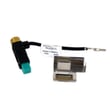
- Water heater pilot assembly 100109293 (pilot ignition and flame sensing)
- Water heater burner assembly 100109660 (burner and related components)
Why it matters
A pilot or burner problem stops heating completely, while sediment and venting issues reduce efficiency and can create unsafe operating conditions. Keeping temperature settings safe also helps prevent scalding.
Last updated: January 2026