
How to change line on McCulloch trimmer?
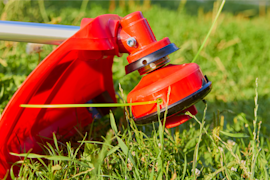
To change the line on your Mcculloch TRIM electric line TRIMmer, you remove the spool, wind new TRIMmer line onto it in the correct direction, then feed both line ends through the eyelets and reassemble the head so the line advances smoothly.
- Unplug the TRIMmer (electric models should always be disconnected before servicing).
- Press the tabs or unscrew the bump knob (depending on head style) to remove the spool cover.
- Pull the spool out and remove any old line and debris.
- Cut two equal lengths of replacement line (most electric TRIMmers use light line; common sizes are 0.065 in to 0.080 in).
- Wind the line tightly and evenly onto the spool in the direction shown on the spool (if marked).
- Feed each line end through the eyelets in the TRIMmer head.
- Reinstall the spool and cover; pull the line ends to remove slack, then TRIM to a practical length.
- Wrong wind direction: Rewind so the line follows the spool’s arrow or groove direction.
- Overfilled spool: Reduce line amount; a too-full spool binds and will not advance.
- Line crossed or loose: Rewind with tight, level wraps.
- Eyelets clogged or worn: Clean out grass grit; replace worn eyelets when available.
| What you notice | Most likely cause | What to do |
|---|---|---|
| Line snaps often | Line too thin or brittle | Use fresh line; move up one size if the head allows |
| Motor bogs down | Line too thick | Drop to a smaller diameter |
| Line will not advance | Spool overfilled or wound wrong | Rewind with less line in correct direction |
Correctly winding and sizing TRIMmer line reduces vibration, improves cutting performance, and prevents premature wear on the spool, eyelets, and bump-feed mechanism.
For help identifying the exact model number details you need when shopping for parts, use how to find your appliance model number (and what it means for parts).
Last updated: February 2026
Which is better, .080 or .095 trimmer line?
For a Mcculloch TRIM line TRIMmer, .080 inch line is the better everyday choice for TRIMming and edging because it spins up easily and feeds reliably. .095 inch line is better when you regularly cut thick weeds or hit abrasive surfaces and need extra durability.
| Line diameter | Best for | What you may notice |
|---|---|---|
| .080 in | Routine TRIMming, edging, light to medium grass | Smoother cutting, easier line feed |
| .095 in | Heavy weeds, brushy edges, fence lines, rocky areas | More durability, higher load on the TRIMmer head |
- Match the maximum line diameter listed on the TRIMmer head, spool, or guard.
- Use .080 if you want the most consistent feed and clean edging.
- Use .095 if .080 breaks too often in your yard conditions.
- If the head feeds poorly, the TRIMmer vibrates more, or cutting feels less responsive, switch back to .080.
- Keep equal line lengths on both sides of the head to reduce vibration.
Line diameter changes cutting performance and durability. Thicker line lasts longer in tough conditions, but it also increases drag at the head, which can reduce RPM and make the TRIMmer feel less nimble. Choosing the correct diameter also prevents feed problems and premature wear.
If you need help confirming the exact model identification before buying line or a replacement head, use how to find your appliance model number (and what it means for parts).
Last updated: February 2026
Who makes the most reliable string trimmer?
The most reliable string TRIMmer is usually the one that matches how you use it: light yard touch-ups, weekly edging, or heavy brush. For most homeowners, brands like Husqvarna, ECHO, and DeWalt consistently rate well for durability; for a corded electric TRIMmer like a Mcculloch TRIM, reliability depends heavily on cord care, switch condition, and keeping the cutting head clean.
Reliability is a mix of build quality and how often common wear items fail.
- Motor and drive durability (electric motor, clutch/drive on gas)
- Cutting head and spool design (easy line feed, fewer jams)
- Switch and wiring robustness (especially on corded electric models)
- Parts availability (spools, bump heads, guards, switches)
- Serviceability (simple access to head, fasteners, wiring)
These are typical strengths by brand family and power type.
| Brand | Power types commonly known for | Reliability strengths | Best fit |
|---|---|---|---|
| Husqvarna | Battery, gas | Strong overall build, good ergonomics | Homeowners to pros |
| ECHO | Gas | Long engine life, pro-grade components | Heavy TRIMming, brush |
| DeWalt | Battery | Durable battery platform, solid motors | Homeowners, contractors |
| Worx | Battery | Value-focused, lighter-duty designs | Small yards, budget |
Most “failures” on corded TRIMmers come from power delivery and head maintenance.
- Use a heavy-enough extension cord (long, thin cords cause heat and voltage drop)
- Keep the cord behind you and off the cutting path to prevent nicks
- If it stops intermittently, inspect the trigger switch and cord strain relief
- Clean grass wrap from the spool housing and guard after each use
- Replace line before it gets too short; short line can increase head heat and friction
For electrical troubleshooting steps and safe testing basics, use our how to use a multimeter to test electrical parts video.
Choosing a “reliable” TRIMmer is really choosing the right power type and duty level. A pro-grade gas unit can be extremely durable, but it needs fuel-system upkeep; a battery unit is low-maintenance, but depends on battery care; a corded electric unit is simple and dependable when the cord, switch, and head are kept in good shape.
Last updated: February 2026
Why do landscapers take the guard off string trimmers?
Some landscapers remove the debris guard to cut faster and see the cut line better, especially when edging. On a Mcculloch TRIM line TRIMmer, taking the guard off can also let the TRIMmer spin a longer line, which increases the cutting swath, but it also greatly increases the chance of injury and property damage.
Removing the guard changes how the TRIMmer behaves. The most common reasons pros give are:
- More line exposure: a longer line can cut a wider path per pass.
- Faster edging visibility: less plastic in the way makes it easier to “walk” an edge.
- Easier access in tight spots: around fences, shrubs, and landscape borders.
- Less clogging: fewer grass strings wrapping on the guard.
- Slight weight reduction: small, but noticeable over long days.
The guard is a safety device first. Without it, the TRIMmer throws debris farther and harder.
- Rocks and sticks can become high-speed projectiles.
- Line can strike bark, siding, windows, and vehicles more easily.
- The cutting head is easier to contact with your foot or leg.
- The motor can run hotter if you consistently run extra-long, heavy line.
- You can damage the head faster if it hits hard surfaces more often.
If a guard is missing or broken, we treat the TRIMmer as higher-risk equipment:
- Safety glasses plus a face shield
- Hearing protection
- Long pants and closed-toe boots
- Keep bystanders and pets at least 50 feet away
- Stop power before clearing jams or adjusting the head
| Setup | Speed/visibility | Debris control | Typical use case |
|---|---|---|---|
| Guard installed | Moderate | Best | General TRIMming near people, cars, windows |
| Guard removed | Fastest | Worst | Open areas where speed is prioritized |
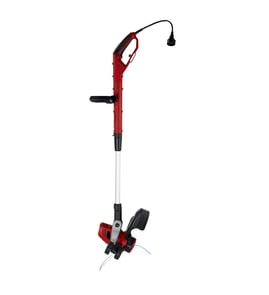
On an electric line TRIMmer like the Mcculloch TRIM, the guard helps control where debris goes and helps keep the cutting zone predictable. That reduces injuries, prevents damage, and makes TRIMming safer around hardscape and buildings.
For safer DIY habits and general repair readiness, we recommend reviewing are diy appliance repairs safe.
Last updated: February 2026