Owner’s manual
 Error Codes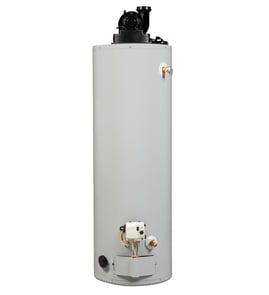



How do I read my water heater model number?
Your Kenmore gas water heater model number is printed on the rating plate (model rating plate) on the front of the tank. For model 153331760, look for the line labeled “MODEL NO.” and copy the full number exactly as shown; that is the number you use for parts and service.
Where to find the model number on model 153331760
On this Kenmore unit, the rating plate is on the front of the water heater. The plate lists several items, but the key fields are the model number and serial number.
- Find the rating plate on the front of the tank
- Locate the line that says MODEL NO.
- Write down the full model number (example: 153.331760)
- Record the serial number from the same plate
- Note the fuel type listed (natural gas or propane) when ordering parts
For a diagram of common water heater components and labels, use the 153331760 owner's manual.
What the numbers and labels mean (quick guide)
The rating plate includes technical details; you only need a few items for identifying the unit and matching parts.
| Rating plate item | What it’s used for | Keep it? |
|---|---|---|
| Model number (153.331760) | Identifies the exact water heater design | Yes |
| Serial number | Helps confirm production details | Yes |
| Gas type (natural or propane) | Ensures correct gas control and pilot parts | Yes |
| Capacity/BTU info | General specs, not usually needed for ID | Optional |
Why it matters
Kenmore water heaters can look similar across model families, but parts like the gas valve, pilot assembly, igniter, and thermocouple must match the exact model. Using the correct model number helps you avoid ordering the wrong component and speeds up troubleshooting.
Related parts you may match by model number
Once you have the model number, you can confidently select common repair parts for this unit, such as:
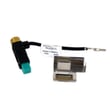
- Water heater igniter 100109221
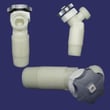
- Water heater pilot assembly 100110984
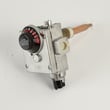
- Water heater gas valve and temperature control assembly 100109446
Last updated: February 2026
How old is my water heater by the serial number?
For Kenmore model 153331760, the serial number is on the rating plate on the front of the tank; once you have it, you can decode the manufacture date using the serial format used by the actual tank manufacturer (Kenmore-branded heaters commonly follow American Water Heaters or A. O. Smith style patterns). Use the steps in the 153331760 owner's manual to locate the plate and record the serial accurately.
Step-by-step: find the serial number and decode it
- Locate the model rating plate on the front of the water heater.
- Write down the serial number exactly as shown (include letters and leading zeros).
- Identify the manufacturer format used on your label (often printed near the serial).
- Decode the date portion (year and week or month and year, depending on format).
- If the code repeats (some letter-based systems do), use the installation date and the heater’s condition to confirm the correct cycle.
Common serial number patterns you will see
These are the most common patterns for Kenmore-branded gas water heaters; match the pattern to your label.
| Manufacturer format (common on Kenmore) | What the first characters usually mean | Example decode (illustration) |
|---|---|---|
| American Water Heaters style | 1st 2 digits = year; next 2 digits = week | YYWW... (ex: 1220... = week 20 of 2012) |
| A. O. Smith / Rheem style (varies by brand line) | Often month and year appear early in the serial | MMYY... or similar (check label legend) |
| Bradford White style | Letter-based month and year codes (repeat cycles) | Letters map to month and year tables |
Why it matters
Knowing the manufacture date helps us match the right gas control, pilot assembly, and safety parts for your Kenmore 153331760. It also helps you plan maintenance that extends tank life, such as replacing the anode rod.
Related maintenance part that affects lifespan
If your heater is older and you are seeing rusty water or sulfur odor, the anode rod is a common maintenance item:
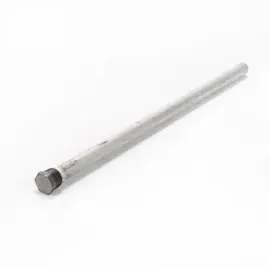
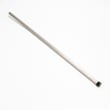
- Water heater anode rod 100108660 (part number 9001829) helps protect the tank from corrosion.
Last updated: February 2026
What is the life expectancy of a Kenmore water heater?
A Kenmore gas water heater like model 153331760 typically lasts 8 to 12 years. Regular maintenance (especially flushing sediment and protecting the tank from corrosion) helps you reach the high end of that range; neglected maintenance usually shortens service life.
Typical lifespan and what changes it
Most tank-style gas water heaters fall into a predictable lifespan range; the biggest difference is how fast the tank corrodes or fills with sediment.
- Water quality: hard water speeds sediment buildup and can reduce efficiency
- Maintenance: periodic flushing helps prevent rumbling and overheating
- Anode rod condition: a depleted anode rod allows the tank to corrode faster
- Temperature setting: higher settings increase stress on the tank and components
- Venting and combustion air: poor venting or restricted air can cause unsafe operation and early failure
Maintenance that extends life
Use the owner's manual for the maintenance schedule and safety steps for your Kenmore 153331760.
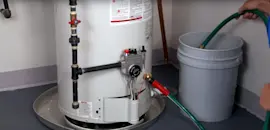
- Flush a few gallons from the tank periodically to reduce sediment
- Test the temperature and pressure (T&P) relief valve as directed
- Inspect for water leaks at fittings and the tank base
- Keep the burner area clean and the air intake unobstructed
- Check the anode rod and replace it when significantly worn
Common “life-extender” part
| Part | What it protects | When it helps most |
|---|---|---|
| Water heater anode rod 100108660 | The tank lining by sacrificing itself to corrosion | If you have hard water, sulfur smell, or the heater is mid-life |
Signs your water heater is near end of life
These symptoms often show up in the last few years of a tank’s life:
- Rusty or discolored hot water
- Popping or rumbling sounds (heavy sediment)
- Frequent pilot/ignition problems
- Water around the base of the tank
- Hot water runs out faster than it used to
Why it matters
Once the tank itself starts leaking, replacement is the practical fix. Staying ahead of corrosion (anode rod) and sediment (flushing) is the most reliable way to get the full expected lifespan from a Kenmore gas water heater.
Last updated: February 2026
What is the most common problem with gas water heaters?
The most common gas water heater problem is ignition failure: the pilot will not light or will not stay lit. On Kenmore model 153331760, the manual points first to the pilot system and safety controls (thermocouple position/condition and the gas control/temperature control) as the most frequent causes; see the owner's manual.
Most common symptoms and what they usually mean
- Pilot will not light: gas control knob setting, main gas shutoff closed, or a weak/failed pilot system
- Pilot lights but goes out: thermocouple not heated by the flame, dirty pilot burner, or a failing gas control
- Burner will not stay lit: thermocouple issue or defective gas control
- Rumbling/sizzling noises: sediment or calcium buildup in the tank bottom
- Sooting or vent gas odors: combustion or venting problem that needs correction before further use
Quick checks we recommend (safe, no disassembly)
- Confirm the tank is completely full of water before any attempt to run the heater.
- Verify the main gas shutoff valve is ON and the gas control knob is set correctly for lighting.
- Look through the burner area for a steady pilot flame that contacts the thermocouple tip.
- Inspect the venting area for obstructions, deterioration, or soot.
- If you hear rumbling, plan a tank drain and flush to remove sediment.
Common causes and likely fixes (at a glance)
| Symptom | Most likely cause | Typical fix |
|---|---|---|
| Pilot will not light | Gas off or knob set wrong | Turn on gas, follow lighting steps in the manual |
| Pilot will not stay lit | Thermocouple/pilot issue | Clean pilot, correct thermocouple position, replace pilot/thermocouple |
| Noisy operation | Sediment in tank | Drain/flush tank |
| Sooting/poor draft | Venting or combustion air issue | Correct venting/air supply before operating |
Parts that commonly solve “pilot won’t stay lit”
If troubleshooting points to the ignition/pilot system, these model-compatible parts are commonly replaced:
Why it matters
Pilot and combustion problems can stop hot water completely and can also indicate venting or combustion issues. Catching them early helps prevent repeated outages, nuisance shutdowns, and avoidable part replacement.
Last updated: February 2026