Error Codes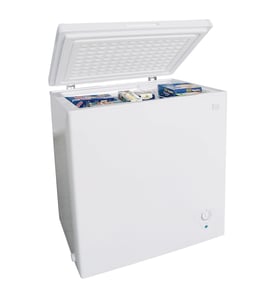



How big is a Kenmore chest freezer model 2539185211?
Kenmore chest freezer model 2539185211 is a freestanding chest freezer; the exact exterior dimensions depend on the cabinet and lid design for this specific unit. For planning space, measure your freezer directly (lid closed) and allow ventilation clearance around the cabinet.
How to measure your 2539185211 (most accurate)
Measure with the freezer empty, on a level floor, and the lid fully closed.
- Width: left to right across the front of the cabinet (do not include the open lid)
- Height: floor to the highest point (include hinges if they sit above the lid)
- Depth: front to back (include the handle if it protrudes)
- Doorway fit: measure the narrowest doorway and compare to cabinet width and depth
- Ventilation space: leave room on the sides and back so the condenser and compressor can shed heat
Typical planning allowances for chest freezers
Use your measured cabinet size, then add clearance for airflow and lid swing.
| Planning need | What to measure/use | What to allow |
|---|---|---|
| Fit through doorways | Cabinet width and depth | Extra space for tilting and hand clearance |
| Final placement | Cabinet dimensions | A few inches on sides and back for airflow |
| Lid opening | Height plus lid swing | Enough overhead space to open fully |
Why it matters
If the freezer is tight to a wall or cabinet, it can run warmer, build frost faster, and use more energy. Accurate measurements also prevent delivery and doorway-fit problems.
Parts that affect “size” symptoms (sealing and alignment)
If you are measuring because the lid is hard to close, won’t align, or you see frost around the rim, these parts are commonly involved:
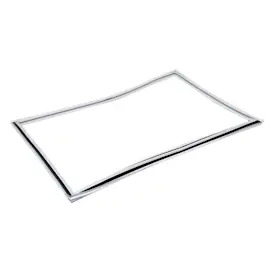
- Freezer lid gasket 216481211 (improves sealing and reduces frost)
- Hinge (white) 297321900 (helps lid alignment and closing)
- Key 297147700 (for the lock, if equipped)
Last updated: February 2026
How do I know if my chest freezer is going bad?
If your Kenmore 2539185211 chest freezer struggles to keep food solidly frozen, runs almost constantly, or builds heavy frost quickly, the cooling system or lid seal is usually weakening. Catching these symptoms early helps prevent food spoilage and bigger repairs.
Common warning signs to watch for
- Ice cream is soft or meat feels “spongy” even on the coldest setting
- Frost builds up fast on the walls or around the lid opening
- Freezer runs for long periods, or you hear frequent clicking/starting
- Condensation, sweating, or a musty odor inside the cabinet
- Freezer-burned food (often caused by temperature swings or air leaks)
Quick checks you can do at home
- Confirm temperature: A healthy chest freezer holds about 0°F. If you see repeated warming, treat it as a warning sign.
- Check the lid seal: Close the lid on a dollar bill; if it slides out easily in multiple spots, the gasket may be leaking. If it is torn, stiff, or warped, consider replacing the freezer lid gasket 216481211.
- Look for airflow and heat issues: Make sure the freezer has clearance around it and the room is not excessively hot.
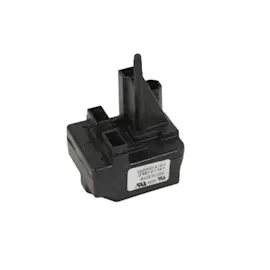
- Listen to the start components: A repeated click every few minutes can point to a compressor start issue; a weak run capacitor is one possible cause (see capacitor 5304464438).
- Inspect the power connection: If the freezer is dead or intermittent, check the outlet and cord condition; the freezer power cord 216089500 is the correct replacement if the cord is damaged.
What the symptoms often mean
| Symptom | Most common cause | What to do next |
|---|---|---|
| Heavy frost, warm spots | Lid not sealing, frequent openings | Test gasket seal; reduce openings |
| Runs constantly | Poor seal, dirty/blocked condenser area, hot room | Improve clearance; check seal |
| Clicking, won’t stay running | Start device/capacitor issue, compressor problem | Test electrical parts safely |
| Warm temps with normal run sound | Sealed system issue (refrigerant restriction/leak) | Plan for professional sealed-system service |
Why it matters
A chest freezer that is “going bad” usually wastes energy first, then loses temperature stability. Fixing a simple air leak (like a lid gasket) can restore performance and protect the compressor from overwork.
Last updated: February 2026
What is the life expectancy of a chest freezer?
A chest freezer like the Kenmore 2539185211 typically lasts 16 years. In normal home use, the practical lifespan range is 10 to 20 years, and simple, well-maintained units often reach the high end because they lose less cold air when opened.
Typical lifespan range (what to expect)
Most chest freezers fall into these buckets:
- 10 to 12 years: heavy use, warm/dirty location, poor airflow, or neglected defrosting
- 13 to 17 years: typical household use and basic upkeep
- 18 to 20 years: light use, stable room temperature, good lid seal, clean condenser area
| Lifespan range | What usually drives it |
|---|---|
| 10 to 12 years | Heat, dust buildup, frequent lid openings, poor leveling |
| 13 to 17 years | Average use and routine cleaning |
| 18 to 20 years | Good ventilation, clean condenser area, strong gasket seal |
What shortens a chest freezer’s life
These are the most common wear drivers we see on chest freezers:
- Weak lid seal that lets warm, moist air in (causes frost and longer run times)
- Dust and restricted airflow around the cabinet (raises operating temperature)
- Overloading so air cannot circulate around packages
- Frequent lid openings (adds heat and moisture every time)
- Power issues such as loose outlets or damaged cords
Maintenance that helps you reach 20 years
A few simple habits make a big difference:
- Keep a few inches of clearance around the freezer for airflow
- Defrost when frost buildup gets thick enough to reduce space or lid sealing
- Wipe the lid sealing surface clean so the gasket can grip evenly
- Keep the freezer level so the lid closes squarely
- If the lid seal is torn or flattened, replace the Freezer lid gasket 216481211
Why it matters
A chest freezer that runs longer than normal uses more electricity and can struggle to hold safe temperatures. Keeping the lid seal tight and the cabinet ventilated reduces compressor run time and helps the sealed system last.
Last updated: February 2026
Where is the model number on a Kenmore chest freezer?
On a Kenmore chest freezer like model 2539185211, the model number is printed on a rating label that’s usually inside the cabinet near the top rim, or on an exterior panel such as a side or the back. Finding that label ensures you match the correct parts and diagrams.
Most common places to check
Look for a paper or foil rating label in these spots:
- Inside the freezer on an interior side wall
- Along the top edge (rim) of the cabinet, just under the lid
- On the outside back panel
- On an exterior side panel near the rear
- Near the compressor area access panel (if your unit has one)
What the label looks like
The model label typically includes the model number and other ID details.
| What you may see | Why it helps |
|---|---|
| Model number (example: 2539185211) | Matches the correct parts list |
| Serial number | Helps identify production run |
| Electrical ratings (V/Hz/A) | Useful for diagnosing power issues |
Why it matters
We use the model number to ensure parts fit your exact Kenmore chest freezer configuration. For example, the correct lid seal and hardware can vary by model; once you confirm the model, you can confidently choose items like the freezer lid gasket 216481211 or the key 297147700 if your freezer uses a lock.
Quick tips if you can’t spot it right away
- Wipe the rim and interior walls; labels can be hard to see under frost or residue
- Use a flashlight and check the back and lower side panels
- Write the model number exactly as shown (numbers and any suffixes)
Last updated: February 2026