


How much horsepower does a Tecumseh HSSK50-67323L have?
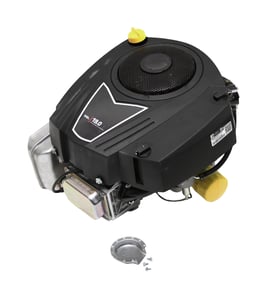
The Tecumseh HSSK50-67323L is typically a 5 horsepower small engine (the “50” family is commonly rated around 5 HP). For exact output on your specific build, match the engine’s spec/ID tag to the correct parts breakdown for HSSK50-67323L.
Quick way to confirm on the engine
Look for the Tecumseh ID/spec tag (often on the blower housing or near the starter area) and record:
- Model: HSSK50-67323L
- Spec number (a second line of numbers/letters)
- Serial/date code (if present)
- Any governed RPM note (sometimes shown on decals)
Why horsepower can vary by application
Even within the same Tecumseh engine family, the advertised HP can differ slightly depending on carburetor setup, governor setting, and the equipment it was built for (snowblower vs. other outdoor power equipment).
Common related parts that affect performance
If the engine feels weak, hunts, or won’t reach speed, these parts are frequent culprits:
- Fuel delivery restrictions (old fuel, clogged line, venting issues)
- Carburetor wear or varnish buildup
- Ignition weakness under load
- Air leaks at carburetor mounting surfaces
- Throttle/governor linkage binding
Parts on this model page that commonly relate to power complaints
| Symptom | What to check first | Example part on this page |
|---|---|---|
| Surging or won’t stay running | Carburetor and fuel path | Carburetor 640084B |
| Runs lean, stalls on throttle | Fuel line and tank venting | Craftsman lawn & garden equipment engine fuel line 29774 |
| Hard starting, misfire under load | Ignition components | Lamination 34443D |
Why it matters
Knowing the correct horsepower helps you choose the right replacement parts (carburetor, ignition, fuel system) and set expectations for performance under load, especially on snowblower applications.
Last updated: February 2026
How many cc is a 5.5 hp Tecumseh engine?
Most 5.5 HP Tecumseh small engines are about 195 cc, and that’s the typical displacement you’ll see for engines in the same family as the Tecumseh HSSK50-67323L. Exact cc can vary by the specific engine spec number and carburetor/governor setup.
Quick answer by engine size
Here’s a practical way to think about it when you’re matching parts or comparing engines:
| Rated power (typical) | Typical displacement (cc) | What it’s used for |
|---|---|---|
| 5.0 HP | 160 to 180 cc | Smaller snowblowers, tillers |
| 5.5 HP | 190 to 200 cc (often 195 cc) | Many 2-stage snowblowers |
| 6.0 HP | 200 to 220 cc | Heavier-duty snowblowers |
How to confirm the exact cc for your engine
For Tecumseh engines, the most accurate match comes from the full engine identification (model plus spec):
- Locate the engine ID tag or stamped numbers on the blower housing or shroud
- Record the full model and spec (for example, HSSK50-67323L plus the spec code)
- Use that ID when selecting carburetor, ignition, and fuel system parts
- If you’re comparing engines, match mounting pattern, crankshaft diameter/length, and PTO orientation
Why it matters
Displacement (cc) affects airflow and fuel delivery; that’s why carburetor and fuel parts must match the engine family. If your engine is surging, running rich/lean, or hard-starting, cc-family matching helps you choose the right fuel system components.
Parts that commonly relate to cc and fuel delivery
If you’re tuning or repairing fuel issues on this Tecumseh engine, these parts are often involved:
- Carburetor 640084B
- Needle seat 631021B
- Float 632019A
- Lawn mower o-ring 631028A
- Craftsman lawn & garden equipment engine fuel line 29774
Last updated: February 2026
Why are Tecumseh engines so hard to start?
Tecumseh engines like model HSSK50-67323L usually get hard to start when fuel delivery or ignition is weak, or when the engine is fighting extra resistance during cranking. The most common causes are stale fuel and carburetor varnish, restricted airflow, or a weak spark.
Most common causes (and what to check first)
- Old fuel or varnished carburetor: stale gas leaves deposits that restrict jets and passages.
- Carburetor internal wear or contamination: a worn needle/seat or sticking float can flood or starve the engine.
- Air leak at the carburetor: a damaged gasket can lean out the mixture and make cold starts difficult.
- Restricted fuel flow: cracked/soft fuel line, clogged tank outlet, or a non-venting cap.
- Weak ignition: failing coil or poor plug condition can cause hard starting, especially when cold.
Quick troubleshooting steps (10 to 20 minutes)
- Drain old fuel; refill with fresh fuel.
- Check the fuel cap vent by loosening the cap slightly and trying to start.
- Inspect the fuel line for cracks, softness, or kinks; replace if questionable.
- If it only runs on choke or dies when you open the throttle, focus on the carburetor.
- If the pull rope is suddenly very hard to pull, stop and inspect for mechanical binding before forcing it.
Parts that commonly fix hard-start symptoms
| Symptom | Likely area | Part on this model page |
|---|---|---|
| Starts then dies, needs choke to run | Carburetor fuel circuits restricted | Carburetor 640084B |
| Flooding, gas smell, wet plug | Float/needle not sealing | Needle seat 631021B, float 632019A |
| Surging or won’t idle smoothly | Air leak at carb mounting | Carburetor gasket 26756 |
| Fuel seepage or air leak at fittings | Seals hardened | Lawn mower o-ring 631028A |
| No start or intermittent spark | Ignition system | Lamination 34443D |
Why it matters
Hard starting is usually the first sign of a fuel-system restriction or ignition weakness. Fixing it early prevents repeated pull-start strain, plug fouling, and carburetor flooding that can wash oil off cylinder walls.
Last updated: February 2026