Owner’s manual
 Error Codes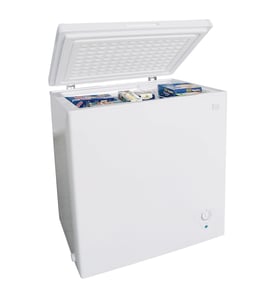



How do you reset a Kenmore freezer?
For the Kenmore KLFC015MWD chest freezer, a “reset” is typically done by power-cycling the unit: unplug it (or switch the breaker off) for about 5 minutes, then restore power and let it run. Use the temperature control to set your target temperature afterward; see the KLFC015MWD owner's manual.
Reset options that work on most chest freezers
- Power reset (recommended): Unplug for 5 minutes, then plug back in.
- Breaker reset: Turn the freezer circuit breaker off for 5 minutes, then on.
- Control adjustment reset: Turn the temperature control to a warmer setting for 10 minutes, then return it to your normal setting.
- Defrost-related reset: If the lid was left open and frost built up, close the lid and allow several hours for temperatures to stabilize.
What to check right after a reset
- Confirm the freezer is on a dedicated outlet and the plug is fully seated.
- Listen for the compressor or a soft hum; it may pause briefly before starting.
- Verify the lid is sealing all the way around.
- Allow time for recovery before judging results (see table below).
| Situation after reset | What’s normal | What suggests a problem |
|---|---|---|
| Just powered back on | Short delay before compressor starts | No sound or cooling after 30-60 minutes |
| Temperature change | Gradual drop over several hours | Warm cabinet after 24 hours |
| Noise | Light humming, occasional clicks | Loud repeated clicking every few minutes |
Why it matters
Resetting clears minor control glitches and restarts the cooling cycle, but chest freezers also need time to pull the cabinet back down to temperature, especially after a power interruption or frequent lid openings.
Last updated: February 2026
How much meat will a 15 cubic foot freezer hold?
A 15 cu. ft. chest freezer like the Kenmore KLFC015MWD typically holds about 525 to 600 pounds of packaged meat, depending on how tightly it’s wrapped, whether it’s boxed, and how much space you leave for air circulation. For safe loading and operating tips, follow the KLFC015MWD owner's manual.
Quick capacity rule of thumb
Most frozen meat averages 35 to 40 pounds per cubic foot when it’s tightly packaged.
- Tightly wrapped cuts (vacuum sealed, butcher paper): higher end of the range
- Bulky packaging (foam trays, large boxes): lower end of the range
- Mixed storage (meat plus vegetables, ice, meals): plan for less meat capacity
- Air gaps: reduce usable capacity but help temperature recover faster after opening
Estimated meat capacity for 15 cu. ft.
| Packaging style | Typical lbs per cu. ft. | Approx. total in 15 cu. ft. |
|---|---|---|
| Very efficient (vacuum sealed) | 40 | 600 lbs |
| Typical home packaging | 35 | 525 lbs |
| Bulky retail boxes/trays | 30 | 450 lbs |
How to get closer to the high end
- Repackage into flatter, stackable portions (freezer paper or vacuum bags)
- Label and date packages so you don’t “dig” with the lid open
- Use bins or baskets to prevent dead space and keep items upright
- Keep a small “quick access” zone near the top for frequently used items
- Avoid overfilling; leave room so cold air can move around packages
Why it matters
Overpacking a chest freezer can slow freezing, increase temperature swings after the lid is opened, and make it harder to keep food consistently at safe temperatures. A little organization helps the freezer run more efficiently and protects food quality.
Last updated: February 2026
Why is my chest freezer running but not freezing?
If your Kenmore KLFC015MWD chest freezer is running but not freezing, the most common causes are poor airflow from heavy frost, a warm-air leak at the lid gasket, incorrect temperature control settings, or a sealed-system problem (compressor/start components or refrigerant). Use the checks below before scheduling service; see the KLFC015MWD owner's manual for model-specific operating guidance.
Quick checks we recommend first
- Confirm the control is set colder and give it 24 hours to stabilize after any adjustment.
- Make sure the lid closes fully; re-seat baskets and packages that can hold the lid open.
- Check for heavy frost on interior walls; frost can block airflow and reduce cooling.
- Verify the freezer is not overpacked; leave space around the walls for cold air circulation.
- Listen for the compressor: steady running with little cooling often points to a cooling-system issue.
- Check the room conditions; very hot garages and tight enclosures can reduce performance.
What the symptoms usually mean
| What you notice | Most likely cause | What to do next |
|---|---|---|
| Runs a lot, frost/ice buildup | Moisture intrusion, frequent openings, lid not sealing | Defrost fully; inspect/clean gasket and sealing surfaces |
| Runs, interior is cool but not freezing | Control set too warm, warm load added | Set colder; wait 24 hours; avoid loading many warm items |
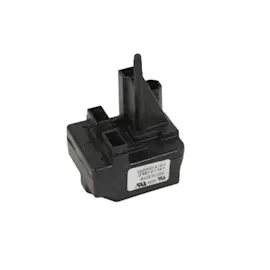
| Runs, no meaningful cooling | Start device/capacitor issue, compressor issue, refrigerant leak | Stop DIY electrical testing unless qualified; plan for service |
| Freezes near walls only | Overpacking, blocked circulation | Repack with airflow gaps; avoid blocking vents/air paths |
Safe defrost and reset (often fixes frost-related no-freeze)
- Move food to a cooler.
- Unplug the freezer.
- Leave the lid open until all ice melts (use towels; do not chip ice with sharp tools).
- Dry the interior, plug back in, set colder, then wait 24 hours.
Why it matters
A freezer that runs without freezing can waste energy and put food at risk. Catching simple issues like lid sealing, frost buildup, and airflow problems early helps prevent longer run times and temperature swings.
Last updated: February 2026
Where is the model number on a Kenmore chest freezer?
On a Kenmore chest freezer like model KLFC015MWD, the model number is printed on the appliance’s rating label. You’ll typically find that label on an inside wall near the top edge of the cabinet, or on an exterior side or back panel. For exact label locations and diagrams, check the KLFC015MWD owner's manual.
Common places to check on a chest freezer
Look for a sticker or metal tag that lists the model number and serial number. On most Kenmore chest freezers, it’s in one of these spots:
- Inside the freezer on a side wall (often near the upper rim)
- Inside near the lid opening (around the top edge of the cabinet)
- On the exterior back panel
- On an exterior side panel near the bottom
- Near the compressor area access panel (if your unit has one)
What the label looks like (so you know you found the right one)
The correct tag usually includes several identifiers. Use this quick checklist:
- Model number (example format: KLFC015MWD)
- Serial number
- Electrical rating information (volts/amps)
- Refrigerant type and charge information
Quick tips to find it faster
- Use a flashlight and check along the upper inside walls first.
- If the freezer is packed, slide items away from the side walls near the top rim.
- If you’re checking the back, unplug the freezer first and avoid pulling on the power cord.
Why it matters
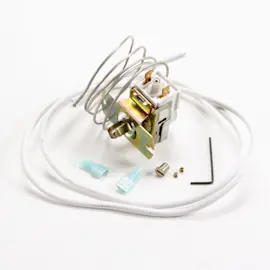
Using the exact model number helps us match the correct Kenmore chest freezer parts and troubleshooting information for your unit, especially when similar-looking freezers use different thermostats, lid gaskets, or wiring harnesses.
| If you’re trying to… | You’ll need… |
|---|---|
| Order replacement parts | Model number and serial number |
| Confirm fit for electrical parts | Exact model number (not just the series) |
| Use diagrams and specs | Model number from the rating label |
Last updated: February 2026
Can a chest freezer be repaired?
Yes. A Kenmore chest freezer like model KLFC015MWD is repairable in most cases; common fixes involve power supply issues, temperature control problems, door seal leaks, or a failed start device. Our first step is to confirm basic operation and then test the cooling system components.
What we check first (fast troubleshooting)
- Confirm the outlet has power and the cord is firmly plugged in.
- Make sure the temperature control is not set to the warmest setting.
- Verify the lid is closing fully and the gasket is sealing all the way around.
- Check for heavy frost buildup that can restrict airflow and cooling.
- Listen for the compressor: steady hum (running) vs. repeated clicking (start issue).
- Allow time after moving or plugging in; most freezers need several hours to stabilize.
Common repairable problems and what they usually mean
| Symptom | Most likely cause | Typical fix |
|---|---|---|
| Not running at all | No power, control issue | Restore power, inspect control and wiring |
| Clicking but not cooling | Start device or compressor issue | Test start components, then compressor circuit |
| Runs constantly | Warm room, dirty condenser area, weak seal | Improve ventilation, correct sealing, check system |
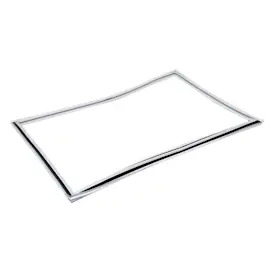
| Frost/ice around lid | Gasket leak or frequent openings | Adjust lid, replace gasket if needed |
When repair vs. replacement makes sense
Repairs are usually worthwhile when the freezer is not cooling due to a control, seal, wiring, or start component problem. If the sealed system (compressor or refrigerant system) is failing, the repair is more involved and cost depends on labor and parts.
Why it matters
A chest freezer that is not sealing or not cycling correctly can waste energy, struggle to hold safe food temperatures, and shorten compressor life. Catching issues early often keeps the repair simple.
For model-specific operating guidance and care steps, use the KLFC015MWD owner's manual.
Last updated: February 2026