Installation guide
 Owner’s manual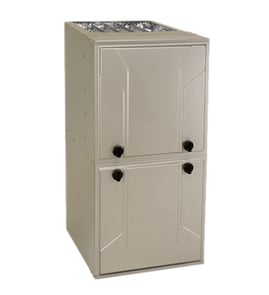
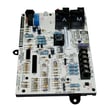




What is the most common part to fail on a furnace?
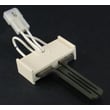
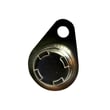
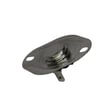
A clogged air filter is the most common furnace-related failure point because restricted airflow overheats the system and triggers safety shutdowns. On the Payne PG8MAA042090AAJA furnace, the next most frequent culprits are ignition components and safety controls, such as the igniter, limit switch, or control board.
Most common failures we see (in order)
- Air filter restriction: causes overheating and repeated shutdowns
- Ignition problems: weak or failed igniter, dirty flame-sensing circuit symptoms
- High-limit or rollout safety trips: often tied to airflow, venting, or temperature rise issues
- Control board faults: intermittent operation, no heat call response, or erratic cycling
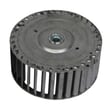
- Blower issues: weak airflow from a failing motor or damaged blower wheel
Quick checks before replacing parts
- Replace the air filter and confirm all supply and return vents are open and unobstructed.
- Confirm the thermostat is calling for heat and the furnace door switch is fully engaged.
- Watch the startup sequence: inducer, igniter glow, burner light, blower start.
- If the furnace starts then shuts down quickly, check for overheating causes (dirty filter, blocked return, closed registers).
- If you are testing electrical components, follow safe handling practices and use proper ESD precautions noted in the installation guide.
Common “symptom to part” map for PG8MAA042090AAJA
| Symptom | Most likely area | Example part for this model |
|---|---|---|
| Blower runs but no heat | Ignition or control | Control board HK42FZ034 |
| No ignition, no flame | Ignition circuit | Igniter (model-specific match required) |
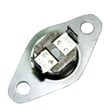
| Starts then shuts off, hot cabinet | Airflow or limit safety | Furnace temperature limit switch HH18HA495 |
| Weak airflow, noisy blower | Blower assembly | Wheel blwr LA11XA048 |
Why it matters
Many “failed furnace” calls are actually protection shutdowns. The installation guidance for this furnace emphasizes correct venting, correct gas input rate, and proper temperature rise; problems in those areas can cause overheating, condensation, corrosion, and premature component failure. Use the owner's manual to confirm maintenance intervals and operating checks for your setup.
Last updated: February 2026
What are the common problems with Payne furnaces?
Common problems on a Payne PG8MAA042090AAJA furnace are no-heat or short-cycling caused by restricted airflow (dirty filter, blocked returns/supplies), ignition or flame-sensing issues, venting or combustion-air problems, and safety switch trips (limit or pressure switch). Our installation guide also highlights that oversizing, low temperature rise, and contaminated combustion air can contribute to premature failures.
Most common symptoms and what they usually point to
- Blower runs but no heat: ignition failure, flame-sensing issue, or a tripped safety switch
- Short cycling (starts then stops): overheating from low airflow, limit switch opening, or thermostat setup
- No start at all: control board issue, power problem, or an open safety circuit
- Burners light then shut off quickly: flame-sensing problem or combustion-air/venting issue
- Repeated safety trips: venting restrictions, pressure switch issues, or overheating
Quick checks we recommend before replacing parts
- Replace the furnace filter and make sure all supply registers and return grilles are open.
- Confirm the return-air temperature is not staying below about 60°F except briefly during warm-up; low return temps can contribute to condensation and corrosion.
- Avoid storing or using strong chemicals near the furnace combustion-air source (bleach, aerosols, solvents, paint, glue); halogen compounds can accelerate corrosion.
- If you suspect electrical trouble, use safe testing practices from how to use a multimeter to test electrical parts video.
Parts that commonly fail on this model family
If troubleshooting points to a failed component, these are frequent culprits for no-heat and cycling complaints:
| Symptom | Common suspect | Example part for this model |
|---|---|---|
| No heat, erratic operation | Electronic control | Control board HK42FZ034 |
| Overheats, shuts burners off | High limit opening | Furnace temperature limit switch HH18HA495 |
| Blower issues, weak airflow | Blower wheel or motor | Wheel blwr LA11XA048 or furnace blower motor HB41TQ113 |
Why it matters
Many “furnace problems” start as airflow, venting, or setup issues. Correct airflow and proper gas input help prevent short cycling, condensation, corrosion, and heat exchanger damage, which protects comfort and extends furnace life.
Last updated: February 2026
What are the main parts of a gas furnace?
In a Payne gas furnace like model PG8MAA042090AAJA, the main parts work together to light the burners, move heat into the air stream, and safely vent combustion gases. The core components are the burners and igniter, heat exchanger, blower system, safety switches, and the electronic controls.
Main gas furnace components and what they do
- Burners: mix gas and air and create the flame.
- Ignition system (hot surface igniter or spark): lights the burners.
- Heat exchanger: transfers heat from combustion to the household air.
- Inducer (draft) assembly: pulls combustion gases through the heat exchanger and into the vent.
- Blower motor and blower wheel: push heated air through ductwork.
- Control board: manages the ignition sequence, blower timing, and safety shutdowns.
- Limit switches and other safeties: stop heating if the furnace overheats or airflow is restricted.
Parts you will commonly see on this PG8MAA042090AAJA model
The exact layout varies by installation orientation (upflow, downflow, horizontal), but these are common service parts for this model:
| Function | Example part on this model | What a failure can look like |
|---|---|---|
| Furnace control and timing | Control board HK42FZ034 | No heat, no blower timing, repeated lockouts |
| Overheat protection | Furnace temperature limit switch HH18HA495 | Burner shuts off quickly, short cycling |
| Air movement | Furnace blower motor HB41TQ113 | Weak airflow, overheating, noisy operation |
| Air movement (wheel) | Wheel blwr LA11XA048 | Rattling, vibration, reduced airflow |
Why it matters
Knowing the “main parts” helps you troubleshoot safely. For example, the installation guidance for this furnace emphasizes not bypassing limit switches and paying close attention to venting, gas input, and temperature rise because those factors directly affect heat exchanger, motor, and control reliability.
Where to confirm your exact configuration
Use the PG8MAA042090AAJA installation guide to match your furnace orientation, clearance requirements, venting type, and safety components to what you see in your cabinet before ordering parts or planning service.
Last updated: February 2026
What is the most expensive part to fix on a furnace?
On a Payne furnace like model PG8MAA042090AAJA, the most expensive repair is typically replacing the heat exchanger because it is labor-intensive and tied directly to safe combustion. After that, the blower motor and the electronic control board are usually the next highest-cost component repairs.
Typical “most expensive” furnace repairs (what we see most often)
- Heat exchanger: highest parts and labor cost; requires major disassembly and careful reassembly
- Blower motor: high part cost and moderate labor; affects airflow and temperature rise
- Electronic control board: high part cost; diagnosis time can add to the total
- Inducer motor or gas valve: can be expensive depending on configuration and access
- Major venting or airflow corrections: not always a “part”, but can drive total cost up
Cost drivers at a glance
These are typical installed-cost ranges in the U.S. (parts plus labor). Exact totals vary by region, access, and what else is found during diagnosis.
| Repair item | Why it gets expensive | Typical installed range |
|---|---|---|
| Heat exchanger | Major teardown, combustion-critical work | $1,000 to $3,000+ |
| Blower motor | High-cost motor, setup and testing | $400 to $2,000+ |
| Control board | Expensive board, diagnosis time | $300 to $1,500+ |
Model-specific parts that commonly fall into the “high cost” category
If you are pricing parts for PG8MAA042090AAJA, these are examples of higher-impact components we commonly see replaced:
- Furnace heat exchanger 326600-751 (major component)
- Furnace blower motor HB41TQ113 (airflow and comfort)
- Control board HK42FZ034 (system operation and safety logic)
Why it matters
High-cost furnace repairs are usually expensive for two reasons: the part itself is a major component, and the labor involves removing doors, disconnecting wiring, and rechecking safe operation. The installation guide also emphasizes turning off gas and electrical power before service and having qualified service perform certain procedures. See the PG8MAA042090AAJA installation guide for safety and service cautions.
Last updated: February 2026