
What is the most common part to fail on a furnace?
The most common “failure point” on a furnace is the air filter because a clogged filter restricts airflow, overheats the furnace, and triggers safety shutdowns. On a Coleman Evcon DGU08016, the next most common issues are flame-sensing/ignition problems and blower-related wear.
Most common furnace failures (in order)
- Air filter: clogging causes overheating and short cycling
- Flame sensor: gets dirty and the burners shut off shortly after ignition
- Igniter (hot surface igniter) or pilot/ignition components: no ignition or delayed ignition
- Limit switch: trips from overheating or weak airflow
- Blower motor or capacitor: weak airflow, humming, or no blower
- Control board or relay: intermittent operation, no response to thermostat call
Quick checks you can do first (safe, no tools)
- Replace the air filter and make sure return vents are not blocked.
- Confirm the thermostat is set to HEAT and the temperature is set above room temp.
- Check the furnace power switch and the home breaker (a tripped breaker often points to an underlying issue).
- If the furnace starts then stops quickly, suspect a dirty flame sensor or airflow restriction.
Symptoms and the part that usually causes it
| What you notice | What it often points to | Why it matters |
|---|---|---|
| Blower runs, no heat | Ignition system, flame sensor | Furnace will not light or will shut down for safety |
| Heat starts then stops in 1 to 5 minutes | Dirty filter, limit switch, flame sensor | Prevents overheating and unsafe combustion |
| Weak airflow at vents | Filter, blower motor/capacitor, duct restriction | Low airflow can damage components over time |
| Furnace completely dead | Breaker, door switch, control board | No power means no heat call can be processed |
Why it matters
Most “bad furnace parts” start as airflow or ignition safety issues. Fixing the root cause (filter, airflow, dirty sensor) prevents repeat shutdowns and helps protect high-cost components like the heat exchanger and blower.
Helpful DIY guidance
If you plan to troubleshoot electrical components (like a limit switch or capacitor), use a meter and follow safe testing practices in our how to use a multimeter to test electrical parts video.
Last updated: February 2026
What are the parts of the furnace?
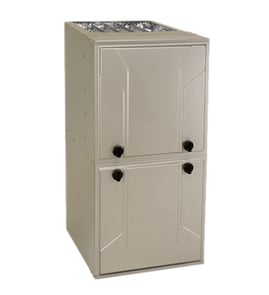
A Coleman Evcon furnace like model DGU08016 is built from a heat-making section (burners and heat exchanger) and an air-moving section (blower and controls). The exact layout can vary by configuration, but the core components and their jobs are consistent across gas furnaces.
Main furnace parts and what they do
- Burners: Mix gas and air to create a stable flame.
- Ignition system (hot surface igniter or spark igniter): Lights the burners.
- Heat exchanger: Transfers heat from combustion to the air moving through the furnace.
- Inducer motor (draft inducer): Pulls combustion gases through the heat exchanger and helps vent safely.
- Blower motor and blower wheel: Push heated air through the ductwork.
- Control board: Runs the ignition sequence, blower timing, and safety checks.
Safety and sensing components you will commonly see
These parts help the furnace prove safe operation before and during a heat cycle:
- Flame sensor: Confirms flame is present; shuts gas off if flame is not proven.
- Limit switch: Stops heating if the furnace overheats.
- Pressure switch: Confirms inducer draft and venting conditions.
- Rollout switch: Trips if flame or heat rolls out of the burner area.
Quick “what it does” reference
| Part | What you notice when it fails | Typical symptom |
|---|---|---|
| Igniter | Burners never light | Furnace tries to start, then stops |
| Flame sensor | Burners light briefly then shut off | Short cycling on heat |
| Inducer motor | No proper draft | Ignition sequence stops early |
| Blower motor | No airflow | Heat builds up, may trip limit |
Why it matters
Knowing the major parts helps you troubleshoot faster (for example, “lights then shuts off” points to flame proving, while “runs but no heat” often points to ignition or gas delivery). It also helps you match the right replacement part to your Coleman Evcon DGU08016.
Helpful DIY guidance for electrical checks
If you are diagnosing switches, sensors, or wiring, use a meter and follow safe power-off practices before touching any internal components. Our guide on how to use a multimeter to test electrical parts video walks through the basics.
Last updated: February 2026
How do you reset a Coleman furnace?
To reset a Coleman Evcon DGU08016 furnace, we restore power and reset the safety that tripped (most often a high-limit or rollout switch). A proper reset only works after the underlying issue (overheating, airflow restriction, or ignition problem) is corrected.
Safe reset steps (most common)
- Set the thermostat to OFF.
- Turn OFF electrical power to the furnace at the service switch or breaker.
- Wait 3 to 5 minutes.
- Restore power, then set the thermostat back to HEAT.
- If the furnace has a manual-reset safety switch (high-limit or rollout), press the small reset button once (it should click).
What to check before you press any reset
Repeatedly resetting a furnace can mask a dangerous condition. We use these quick checks first:
- Air filter: replace if dirty or collapsed.
- Supply registers: open and unobstructed.
- Return air grilles: not blocked by furniture or rugs.
- Blower compartment door: fully seated (door switch must close).
- Vents/flue intake (if applicable): clear of debris, snow, or nests.
What the reset is actually doing
| Reset type | What it resets | Typical cause | What you do |
|---|---|---|---|
| Power cycle | Control board lockout | Ignition failure, temporary fault | Turn power off, wait, restore |
| Manual-reset safety | Rollout or manual limit trip | Flame rollout, severe overheating | Correct cause, press reset once |
| Auto-reset limit | High temperature limit | Restricted airflow, weak blower | Fix airflow; it resets when cooled |
Why it matters
A tripped limit or rollout switch is the furnace protecting your home from overheating or improper combustion. If your DGU08016 trips again after you restore airflow and power, stop resetting and have the furnace professionally diagnosed.
For basic electrical testing steps used during furnace troubleshooting, we recommend how to use a multimeter to test electrical parts video.
Last updated: February 2026
What is the most expensive part to fix on a furnace?
The most expensive furnace repair is replacing the heat exchanger. For a Coleman Evcon furnace like model DGU08016, the heat exchanger is the top-cost repair because it typically requires the most labor and is a safety-critical component; other high-cost repairs include the blower motor and control board.
Biggest “budget busters” on most gas furnaces
These repairs usually cost the most because they combine higher part prices with longer diagnostic and labor time:
- Heat exchanger replacement
- Blower motor or complete blower assembly
- Furnace control board (main control)
- Draft inducer motor assembly
- Gas valve
Cost and complexity comparison (typical)
| Component | Why it’s expensive | Common symptoms that lead to diagnosis |
|---|---|---|
| Heat exchanger | Major disassembly and reassembly; long labor time | Repeated shutdowns, poor heat output, unusual smells, visible corrosion/cracks during inspection |
| Blower motor/assembly | Higher part cost; access can be time-consuming | Weak airflow, overheating limit trips, squealing or grinding noise |
| Control board | Electronics plus troubleshooting time | No response to heat call, erratic cycling, intermittent ignition sequence |
| Inducer motor | Venting-related assembly; can include housing and wheel | Starts then stops, pressure switch faults, loud rattling/whine |
| Gas valve | Safety-critical setup and verification | No ignition, burners drop out, intermittent heat |
How we recommend deciding: repair vs. replace
Use these checkpoints to judge whether a major repair makes sense:
- Furnace age: most furnaces last 15 to 20 years
- Repair history: repeated no-heat calls add up quickly
- Scope of labor: “deep” tear-down repairs cost more than simple access repairs
- Comfort and efficiency: uneven heating and long run times can signal broader issues
- Correct identification: confirm the exact model number and component match before ordering (see how to find your appliance model number (and what it means for parts))
Why it matters
The “most expensive part” is usually expensive because it is both labor-heavy and central to safe, reliable heating. Accurate diagnosis helps avoid replacing a control board or motor when the real issue is a blown fuse, loose wire, or failed safety switch.
Last updated: February 2026