
How much does an air handler cost to replace?
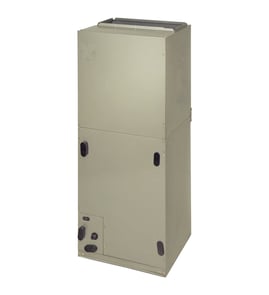
Replacing a Payne air handler like model PF1MNC048000AAAA typically costs $1,500 to $3,400 installed, depending on capacity (tonnage), efficiency/features, and how much ductwork, electrical, and drain work your setup needs. The air handler itself is often $700 to $1,600, with labor commonly $800 to $1,800.
What drives the total replacement price?
- Size/capacity match (tonnage): Larger systems and higher airflow requirements cost more.
- Motor and controls: ECM-style blower motors and advanced control boards raise parts cost.
- Electrical work: New disconnects, breakers, or low-voltage wiring repairs add time.
- Condensate drain updates: New trap, pan, float switch, or rerouting can add labor.
- Accessibility: Attic, crawlspace, or tight closets increase install time.
- Heat kit needs: If your system uses electric heat strips, that can add to the total.
Typical cost breakdown (installed)
| Cost item | Typical range | Notes |
|---|---|---|
| Air handler unit | $700 to $1,600 | Varies by size and features |
| Labor | $800 to $1,800 | Removal, install, setup, basic testing |
| Common add-ons | $0 to $1,000+ | Drain, electrical, platform, minor duct changes |
When a repair makes more sense than full replacement
If your PF1MNC048000AAAA has a specific failure and the cabinet and coil are in good shape, replacing a key component can be a cost-effective fix. Examples from parts available for this model include:
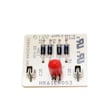
- Central air conditioner air handler fan control board HK61EA006 (blower control issues)
- Central air conditioner air handler transformer HT01CN241 (no 24V control power)
- Motor HC45AQ230 (blower not running or noisy)
Why it matters
An air handler replacement is not just the box cost; correct sizing, safe electrical connections, and proper condensate drainage protect comfort, humidity control, and the life of your outdoor unit.
Last updated: February 2026
Do you have to replace the air handler when replacing an AC unit?
You do not have to replace the air handler every time you replace the outdoor AC unit. For a Payne PF1MNC048000AAAA air handler, replacement depends on whether the existing blower, controls, and airflow capacity match the new condenser and coil requirements, and whether the air handler is in good condition.
When you can usually keep the existing air handler
- The air handler cabinet is solid (no major rust, water damage, or air leaks)
- The blower motor runs smoothly and delivers steady airflow
- The electrical controls are reliable (no intermittent fan operation)
- The indoor coil and refrigerant type match the new outdoor unit requirements
- The ductwork and filter setup support the airflow the new system needs
When replacing the air handler is the better move
Replacing the air handler is often the right choice when the indoor section is the limiting factor for efficiency, comfort, or compatibility.
- You are changing refrigerant type (for example, moving from an older refrigerant to a newer system)
- The indoor coil is incompatible with the new condenser (capacity or metering device mismatch)
- The air handler has recurring electrical issues (burnt connections, failing relays, nuisance shutdowns)
- The blower motor is failing or noisy, or the unit cannot maintain proper airflow
- You are adding electric heat and the existing setup is not sized or wired for it
Quick compatibility checklist (what to confirm)
| Item to match | What to look for | Why it matters |
|---|---|---|
| System capacity | Tons/BTU rating alignment | Prevents poor cooling and short cycling |
| Airflow | Target CFM per ton (commonly around 350 to 450) | Protects the coil and improves comfort |
| Electrical | Correct low-voltage and line-voltage wiring | Prevents control failures |
| Indoor coil | Correct match for the outdoor unit | Ensures efficiency and reliability |
Parts that commonly come up during a changeout
Even if you keep the air handler, we often see these parts involved when diagnosing airflow or fan-control problems:
- Central air conditioner air handler fan control board HK61EA006 (fan operation and blower control)
- Central air conditioner air handler transformer HT01CN241 (24-volt control power)
- Motor HC45AQ230 (blower motor performance)
Why it matters
A mismatched air handler can cause low airflow, coil icing, higher energy use, and comfort complaints. A properly matched indoor and outdoor combination protects the compressor and helps the system hit its rated efficiency.
Last updated: February 2026
Do air handlers come in different sizes?
Yes. Air handlers for the Payne PF1MNC048000AAAA come in different physical cabinet sizes and different airflow capacities (measured in tons or CFM) to match the home’s ductwork and the outdoor unit. Size affects comfort, noise, and efficiency, so the replacement must be matched to the system.
What “size” means for an air handler
Air handler sizing is usually discussed in a few ways:
- Cooling capacity (tons): Commonly 1.5 to 5 tons in residential systems.
- Airflow (CFM): Often about 350 to 450 CFM per ton as a typical target range.
- Cabinet dimensions: Width, height, and depth vary by series and installation type.
- Orientation: Upflow, downflow, horizontal left, horizontal right.
- Heat options: Some air handlers accept electric heat kits, which can change wiring and internal layout.
How to pick the right size for PF1MNC048000AAAA
Use these checks before ordering parts or planning a swap:
- Match the tonnage/CFM to the outdoor condenser and duct design.
- Confirm the physical fit (closet, attic platform, or mechanical room clearance).
- Verify duct connection sizes and locations (supply and return).
- Confirm voltage and control wiring compatibility (typically 24V controls with line-voltage power).
- If you have electric heat, confirm the correct heater configuration and wiring.
Quick sizing guide (typical residential)
| System size | Typical airflow target | Common use case |
|---|---|---|
| 2 ton | 700 to 900 CFM | Smaller homes, mild climates |
| 3 ton | 1,050 to 1,350 CFM | Mid-size homes |
| 4 ton | 1,400 to 1,800 CFM | Larger homes |
Why it matters
An air handler that is too small can restrict airflow and reduce comfort; one that is too large can create noise, humidity problems, and uneven temperatures. Correct sizing also helps protect key components like the blower motor and control board.
Parts that commonly relate to airflow and sizing issues
If you are troubleshooting airflow, fan operation, or low-voltage power problems on this model, these parts are often involved:
- Central air conditioner air handler fan control board HK61EA006
- Central air conditioner air handler transformer HT01CN241
- Motor HC45AQ230
Last updated: February 2026
