Owner’s manual
 Error Codes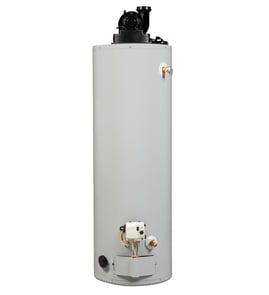




How do I read my water heater model number?
Your Kenmore gas water heater model number is printed on the model rating plate on the front of the tank. For model 153.336464, match the full model number exactly as shown on that plate; the serial number is separate and is not the model.
Where to find the model number on model 153.336464
Use the rating plate (sometimes called the data plate) on the front of the water heater.
- Look for a label that says MODEL NO.
- Copy the model number exactly, including dots (example: 153.336464)
- Record the serial number too, but keep it separate from the model number
- Ignore other specs (BTU input, gas type, warnings) unless you are troubleshooting
- If the label is dirty, wipe it gently so the digits are readable
For diagrams and label locations, use the 153336464 owner's manual.
What the model number tells us (and what it does not)
The model number identifies the exact Kenmore water heater design so we can match the correct parts list (burner, pilot, valve, anode rod) and service procedures.
| Item on rating plate | What it’s used for | Example |
|---|---|---|
| Model number | Correct parts and manual | 153.336464 |
| Serial number | Manufacturing tracking and age lookup | Varies |
| Input (BTU) | Sizing and troubleshooting reference | Varies |
| Gas type | Natural gas vs LP/propane setup | Varies |
Tips if the rating plate is hard to read
- Shine a flashlight across the label at an angle to reduce glare
- Take a close-up photo and zoom in
- If the label is scratched, copy the clearest characters first, then re-check the rest
Why it matters
Using the exact model number prevents ordering the wrong gas control, burner parts, or maintenance items. For example, the correct anode rod and combustion parts can vary by model family even when the tank size looks similar.
Last updated: January 2026
What is the average lifespan of a gas hot water heater?
A gas water heater typically lasts 8 to 12 years. With consistent maintenance (especially flushing sediment and keeping corrosion protection in place), many units reach 12 to 15 years. For Kenmore model 153336464, follow the maintenance schedule in the 153336464 owner's manual.
Typical lifespan ranges (what to expect)
Most gas water heaters fall into these ranges:
- 6 to 8 years: heavy use, hard water, little maintenance
- 8 to 12 years: typical household use and average water quality
- 12 to 15 years: regular maintenance and good water conditions
- 15+ years: possible with excellent maintenance and favorable water chemistry
| Condition | Common outcome | What helps most |
|---|---|---|
| Hard water and lots of sediment | Shorter life | Periodic tank draining and cleaning |
| High water conductivity | Faster tank corrosion risk | Regular anode rod inspection/replacement |
| Higher temperature settings | More wear and scald risk | Keep temperature reasonable and consistent |
Maintenance that extends life
Your manual explains that the anode rod protects the tank by corroding instead of the tank, and that replacing a depleted anode rod can extend water heater life. Use these habits to get the most years out of your heater:
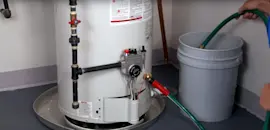
- Drain and flush sediment periodically (more often with hard water)
- Inspect and replace the anode rod as needed (annual checks after the warranty period are commonly recommended)
- Keep combustion air openings clear (lint and dust can affect burner performance)
- Watch for leaks at fittings and the temperature and pressure relief valve discharge pipe
- Set water temperature thoughtfully; hotter water increases scald risk
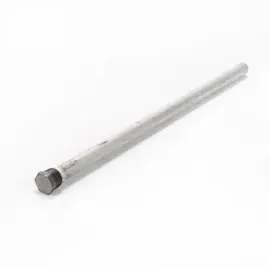
If you are planning an anode replacement, match the correct part for this model, such as the anode rod 100108660.
Signs it is near end of life
These symptoms often show up as a tank ages:
- Rumbling or popping noises (sediment buildup)
- Rusty or discolored hot water
- Moisture or leaking around the tank base
- Reduced hot water capacity or slow recovery
- Pilot or burner issues that keep returning after basic cleaning
Why it matters
A water heater usually fails from internal tank corrosion or heavy sediment buildup. Staying ahead of sediment and maintaining the anode rod helps protect the tank, improves efficiency, and reduces surprise leaks.
Last updated: January 2026
Should I replace a 15 year old water heater?
Yes. If your Kenmore gas water heater model 153336464 is 15 years old, replacement is the practical choice because tank-type water heaters are typically at end-of-life by then. You can sometimes extend service with maintenance (anode rod and sediment control), but age-related tank and combustion risks rise quickly.
Quick decision checklist
Replace now if you notice any of these:
- Water on the floor that is not from loose fittings or condensation
- Rusty water, popping or rumbling (sediment buildup)
- Pilot or burner problems, sooting, or poor combustion
- Repeated repairs (gas valve, pilot assembly, burner parts)
- You want better efficiency and more reliable hot water
If you are unsure, use the inspection and maintenance guidance in the 153336464 owner's manual.
What to check before you decide
The manual notes that water on the floor can come from condensation, loose connections, or the relief valve, and it recommends a full inspection of possible sources before replacing the heater.
Use this quick triage:
- Condensation: common at start-up or when incoming water is very cold
- Drain valve seepage: verify the drain valve is fully closed; check for leaking at the tank fitting
- Relief valve discharge: intermittent dripping can indicate overheating or pressure issues
Common symptoms and what they usually mean
| Symptom | Most common cause | Typical next step |
|---|---|---|
| Popping/rumbling | Sediment in tank | Flush and evaluate performance |
| Rusty or metallic water | Anode rod depleted | Inspect/replace anode rod |
| Sooting at burner area | Combustion/venting problem | Turn gas off and correct venting/airflow issue |
| Water under heater | Condensation or leak | Inspect fittings, relief valve, drain valve, tank |
Maintenance that can extend life (if the tank is sound)
If the tank is not leaking, these items can buy time:
- Inspect the anode rod yearly after the warranty period; replacing a depleted rod can extend tank life
- Periodically drain and clean sediment from the tank
- Visually inspect the main burner and pilot burner at least once a year
- Check venting for obstructions and deterioration so combustion air flow is not blocked
If you are doing an anode service, the model’s listed replacement is the anode rod 100108660.
Why it matters
A 15-year-old tank water heater is more likely to have internal corrosion, heavy sediment, and combustion performance issues. Replacing proactively reduces the chance of sudden loss of hot water and helps avoid damage from an unexpected tank failure.
Last updated: January 2026