
What are the top 5 furnace brands?
The “top” furnace brands depend on what you value most (reliability, efficiency, dealer support, and repair part availability). For most homeowners shopping in the U.S., five widely recognized brands are Carrier, Trane, Lennox, Bryant, and Amana; your best pick is the one that fits your home and can be properly installed and serviced.
Our top 5 picks and what they’re known for
- Carrier: strong overall performance and broad model lineup
- Trane: durable builds and strong reputation for reliability
- Lennox: high-efficiency options and premium feature sets
- Bryant: solid reliability (often compared closely with Carrier)
- Amana: value-focused models with straightforward features
How to choose the best brand for your home
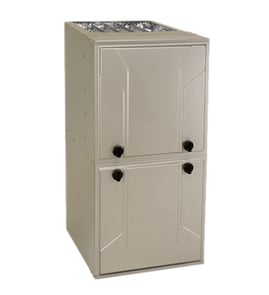
Even if you own a Thermal Zone GD060K12A gas furnace today, brand rankings matter less than correct sizing, venting, and safe operation. Use these practical checks when comparing brands and installers:
- Match furnace capacity to your home’s heat loss (avoid oversizing)
- Compare AFUE efficiency and whether a higher AFUE will pay back in your climate
- Decide on single-stage, two-stage, or modulating heat for comfort and noise control
- Confirm the installer will verify gas pressure, combustion, and temperature rise
- Consider long-term maintenance access (filter location, blower access, control board access)
Quick comparison table
| Brand | Best for | Typical buyer priority |
|---|---|---|
| Carrier | Balanced performance | Overall value and availability |
| Trane | Long-term durability | Reliability-first shoppers |
| Lennox | High efficiency | Lower fuel use and premium features |
| Bryant | Dependable comfort | Reliability at competitive pricing |
| Amana | Budget-friendly options | Cost-conscious replacements |
Why it matters
A top-rated brand can still perform poorly if the furnace is oversized, the ductwork is restrictive, or the gas furnace setup is off. Proper installation and routine maintenance (filter changes, keeping the blower compartment clean, and checking electrical connections) drive comfort, efficiency, and lifespan more than the logo on the cabinet.
Parts and support for your current furnace
For Thermal Zone GD060K12A repairs, we recommend using your exact model number when searching so you get the right ignition, blower, and control parts. Start with the model-based parts list, or search by model on Sears PartsDirect.
Last updated: February 2026
Can I buy a furnace and install it myself?
Yes, you can buy a furnace, but we recommend having a licensed HVAC professional install a Thermal Zone GD060K12A gas furnace. Gas piping, venting, combustion setup, and electrical controls must be set correctly for safe operation, code compliance, and reliable heating.
Why we recommend professional installation
A furnace install is more than setting the cabinet in place. The installer must size, connect, and verify multiple systems that affect safety and performance.
- Gas line sizing and leak testing
- Venting and combustion air setup (draft and flue routing)
- Electrical wiring and grounding (line voltage and low voltage)
- Condensate drainage (for high-efficiency setups)
- Airflow setup (duct connections and blower speed)
- Startup checks (temperature rise, flame signal, safety switch operation)
What you can safely do yourself (before the installer arrives)
These steps help the job go smoother without getting into gas or high-voltage work.
- Confirm the exact model number on the rating plate: GD060K12A
- Measure the existing furnace space and duct openings
- Replace the thermostat batteries (if applicable) and label thermostat wires
- Clear access to the furnace, filter slot, and vent path
- Take photos of the existing venting and wiring for reference
DIY vs pro: quick comparison
| Task | DIY-friendly? | Why it matters |
|---|---|---|
| Removing the old filter and noting its size | Yes | Helps maintain airflow and protect the blower |
| Setting the furnace in place | Sometimes | Alignment affects duct sealing and vibration |
| Gas piping and leak test | No | Prevents leaks and unsafe combustion |
| Venting/flue setup | No | Prevents backdrafting and carbon monoxide risk |
| Startup and combustion checks | No | Confirms safe ignition and proper temperature rise |
Why it matters
A correctly installed gas furnace runs cleaner, heats evenly, and avoids nuisance shutdowns from safety limits like the flame sensor circuit, pressure switch, or rollout protection.
Buying parts and model-specific items
For GD060K12A, we use the model number to match the correct replacement parts (controls, igniter, flame sensor, pressure switch, blower components). Start with the parts list for this model, or search by model number on Sears PartsDirect.
Last updated: February 2026
What does code 12 mean on a furnace?
On a Thermal Zone GD060K12A gas furnace, code 12 most often points to an ignition or flame-sensing problem: the control board is not proving flame when it expects to. The furnace may try to light, shut down, and retry, then lock out until power is reset.
What code 12 usually means (common causes)
Code meanings can vary by brand and control board, but for gas furnaces this code is commonly tied to no flame proven or ignition failure. Check these first:
- Gas supply issue: manual gas shutoff partially closed, low gas pressure, or recent gas work
- Dirty flame sensor: flame lights briefly, then drops out within a few seconds
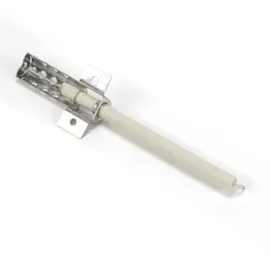
- Igniter problem: hot surface igniter cracked, weak, or not glowing
- Dirty burners: cross-lighting issues, delayed ignition, or unstable flame
- Airflow/venting or pressure switch issue: inducer runs but ignition sequence does not complete
- Wiring/grounding: loose spade connectors, poor furnace ground, or damaged harness
Quick checks you can do safely
Turn off power to the furnace at the switch or breaker before opening panels.
- Confirm thermostat call for heat (set above room temp).
- Check the furnace door switch is fully engaged.
- Watch the ignition sequence through the sight glass (inducer, igniter, gas valve click, flame).
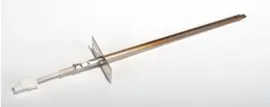
- Inspect the flame sensor (thin metal rod near the burner flame) and clean it with a non-abrasive pad.
- Check the air filter and return vents; restricted airflow can contribute to shutdowns.
What you’ll typically see by symptom
| What the furnace does | Most likely area to check | Typical next step |
|---|---|---|
| Igniter never glows | Igniter, control board output, wiring | Test voltage; inspect igniter for cracks |
| Flame lights then shuts off in 2 to 5 seconds | Flame sensor, grounding | Clean flame sensor; verify tight ground |
| Repeated tries, then lockout | Gas supply, burners, igniter | Verify gas valve open; clean burners |
| Inducer runs, no ignition attempt | Pressure switch/venting, condensate (if applicable) | Check vent blockage; inspect tubing |
Why it matters
When the furnace cannot prove flame, the control board shuts the gas valve to prevent unburned gas from accumulating. Fixing the root cause (often a dirty flame sensor or ignition component) restores reliable heat and prevents nuisance lockouts.
Getting the right replacement part
Use the parts list for your GD060K12A to match the exact ignition or safety component (for example, igniter, flame sensor, pressure switch, or control board). If you need to search by model number for additional diagrams and parts, use Sears PartsDirect.
Last updated: February 2026
What are the three types of furnaces?
The three main furnace types are natural gas, oil, and electric. For a Thermal Zone gas furnace like model GD060K12A, the “type” refers to the fuel and heat source; that choice affects operating cost, venting needs, and what parts commonly wear.
Quick comparison of the 3 furnace types
- Natural gas furnace: Burns natural gas in a burner; uses an igniter and flame sensor; typically vents through a flue or PVC (high-efficiency models).
- Oil furnace: Uses an oil burner and nozzle; requires an oil tank and regular burner service.
- Electric furnace: Uses electric heating elements; no combustion or venting, but often higher operating cost depending on electric rates.
| Furnace type | Heat is made by | Typical home setup | Common service items |
|---|---|---|---|
| Natural gas | Gas burner and heat exchanger | Gas line plus venting | Ignition system, flame sensing, filters |
| Oil | Oil burner and heat exchanger | Oil tank plus venting | Nozzle, oil filter, burner tune-up |
| Electric | Electric resistance elements | Electrical supply only | Heating elements, sequencers/relays, filters |
Why it matters when you are troubleshooting or buying parts
Knowing the furnace type helps us narrow down the most likely causes of “no heat” and the parts you will look for.
- Gas: focus on ignition, flame proving, gas valve, pressure switch, and venting safety switches
- Oil: focus on burner ignition, oil delivery, nozzle condition, and combustion setup
- Electric: focus on heating elements, relays/sequencers, and high-limit switches
Helpful DIY checks (safe, basic steps)
- Set thermostat to HEAT and raise the setpoint 3 to 5 degrees
- Replace or clean the air filter; restricted airflow can trip a limit switch
- Check the furnace service switch and the breaker
- If you are comfortable testing, use a meter to confirm power (shut off power before moving wires)
For parts lookup by model number and diagrams, start with the parts list for GD060K12A, or search by model on Sears PartsDirect. For electrical testing basics, we also recommend how to use a multimeter to test electrical parts video.
Last updated: February 2026
What is the most common part to fail on a furnace?
On a Thermal Zone gas furnace model GD060K12A, the most common “failure point” we see is the air filter becoming clogged (it is a maintenance item, but it causes the most no-heat calls). After that, the most commonly failed service parts are the flame sensor and hot surface igniter, because they directly affect ignition and safety shutdowns.
Most common furnace failures (in order)
- Dirty/clogged air filter: restricts airflow, overheats the heat exchanger area, trips a limit switch
- Flame sensor: gets coated and stops proving flame, so the burners shut off shortly after lighting
- Hot surface igniter (HSI): cracks or burns out, so the gas never lights
- Pressure switch: won’t close if the venting or inducer airflow is weak
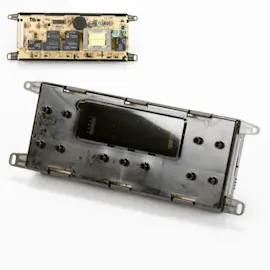
- Control board: relay or solder failures can stop ignition sequence or blower operation
- Blower motor or capacitor: weak airflow, overheating, intermittent shutdowns
Quick checks you can do safely
- Set thermostat to HEAT and raise setpoint 3 to 5 degrees.
- Replace the air filter first (most common fix).
- Check the furnace power switch and breaker; confirm the blower door is fully closed.
- Look for a diagnostic LED on the control board (flash pattern often points to the circuit).
- If you’re comfortable testing, use a meter to confirm 24 VAC control power and basic continuity.
If you plan to do electrical testing, our guide on how to use a multimeter to test electrical parts video helps you do it accurately.
Symptoms and the part that usually causes it
| What you notice | What it often points to | What happens next |
|---|---|---|
| Furnace starts then shuts off in 5 to 30 seconds | Flame sensor | Burners drop out, blower may keep running |
| Inducer runs, no ignition glow | Hot surface igniter or control board | No flame, retries then locks out |
| Blower runs but air is weak | Filter, blower wheel, motor/capacitor | Limit switch trips, short cycling |
| Nothing happens at all | Power issue, door switch, control board | No lights, no inducer, no blower |
Why it matters
These parts sit in the furnace’s safety and ignition chain. A clogged filter or a weak ignition component can make the furnace shut down to prevent overheating or unburned gas, so fixing the root cause restores reliable heat and protects major components.
Getting the right replacement part
We recommend matching parts by the exact model number GD060K12A when you shop. Start with the parts list for this model, or search by model on Sears PartsDirect.
Last updated: February 2026