Installation guide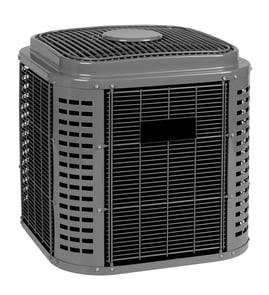

Is it cheaper to replace the AC unit or the compressor?
Replacing only the compressor is cheaper upfront than replacing the entire Icp TCA030AKA1 condensing unit, but it pays off only when the rest of the system is in strong condition and the refrigerant circuit is clean. If the unit is older or multiple components are failing, replacement delivers better long-term value.
| Option | Typical upfront cost | Best when | Common downside |
|---|---|---|---|
| Replace compressor only | Lower | Coil and electrical parts are solid, refrigerant circuit is clean | Repeat failure risk if contamination, airflow, or charge issues remain |
| Replace outdoor condensing unit | Higher | Unit is older, efficiency is a priority, multiple parts are failing | Higher initial investment |
| Replace matched system (outdoor + indoor coil) | Highest | Major upgrade, repeated refrigerant problems, known mismatch | Most labor and planning |
We recommend checking these items first because they determine whether a compressor replacement will last:
- Airflow and charge setup: Establish indoor airflow first; typical guidance is 350 to 450 CFM per ton, then verify refrigerant charge using superheat targets in the installation guide.
- Electrical health: Look for pitted contacts, burnt wiring, loose connections, or low-voltage control issues.
- Outdoor fan performance: A weak fan can drive up head pressure and overheat the compressor.
- Contamination risk: A failed compressor can leave acid or debris in the refrigerant circuit; that shortens the life of the replacement.
- Overall condition: Severe coil corrosion, cabinet deterioration, or repeated service history points toward replacement.
If the compressor failed, these related parts often need inspection or replacement:
- Condenser fan motor 1172508 (moves air across the condenser coil to control pressures and compressor temperature)
- Board 1088977 (electronic control board used on some configurations)
The compressor is the most expensive single component in a central air conditioner. If the root cause is incorrect airflow, incorrect charge, or failing electrical controls, replacing only the compressor can lead to repeat repairs. Using the airflow and superheat guidance in the installation guide protects whichever option you choose.
Last updated: February 2026
What is the average lifespan of a central air conditioning unit?
Most central air conditioning units last 15 to 20 years. For an Icp condensing unit like model TCA030AKA1, lifespan depends most on correct installation clearances, proper refrigerant charge, and keeping the outdoor coil clean and unobstructed (year-round).
- 15 to 20 years: normal use with routine maintenance
- 10 to 12 years: heavy run time, poor airflow, dirty coils, or repeated electrical issues
- 20+ years: mild climate, correct charge, clean coil, and stable electrical supply
These are the most common factors that wear out a condenser (compressor, fan motor, and controls):
- Restricted airflow from shrubs, fences, snow drifts, or debris near the coil
- Dirty outdoor coil (heat cannot reject properly, raising operating pressures)
- Incorrect refrigerant charge (overcharge or undercharge)
- Loose/burned wiring connections or failing electrical components
- Long run times caused by poor indoor airflow (dirty filter, blower issues)
Your installation instructions call out several items that directly impact longevity.
- Keep at least 2 feet of clearance from coil air inlets (all sides)
- Keep the coil free of grass clippings and debris; turn off power before cleaning
- Clean only when the coil is cold; use an alkaline-based coil cleaner (not acid)
- During cooling season, check drainage monthly for free flow
- If charge was adjusted, run 15 to 20 minutes, then recheck charge
| Item | Typical target | Why it matters |
|---|---|---|
| Airflow across wet coil | 350 to 450 CFM per ton | Prevents coil icing and protects the compressor |
| Suction superheat (at rated conditions) | 15°F to 20°F | Helps confirm correct refrigerant charge |
| Outdoor clearance | 2 ft minimum | Prevents high head pressure and overheating |
A central AC usually fails early because it runs hotter and longer than it should. Keeping airflow open and charge correct reduces stress on the compressor and helps parts like the condenser fan motor and contactor last longer.
For model-specific installation and service guidance, use the installation guide.
Last updated: February 2026
What is the most expensive part to replace on an AC unit?
On most central air conditioner condensing units, including Icp model TCA030AKA1, the compressor is the most expensive single part to replace. The cost is driven by sealed-system labor (refrigerant recovery, brazing, evacuation, and recharging) plus the compressor itself.
- Compressor replacement: sealed-system procedures plus significant labor time.
- Refrigerant-related service: leak repair, evacuation, and recharge when the system has been opened.
- Complex electrical diagnosis: time spent tracing power, low-voltage signals, and safety controls.
These model-listed parts can be among the pricier non-compressor repairs on the Icp TCA030AKA1:
- Board 1088977 (electronic control board)
- Condenser fan motor 1172508 (outdoor fan motor)
- Contactor part number 1050699 (often a lower-cost part, but a common no-cool cause)
| Component type | Typical cost impact | What you are paying for |
|---|---|---|
| Compressor | Highest | Sealed-system labor plus refrigerant work |
| Electronic control board | Medium to high | Diagnosis time plus electronics |
| Condenser fan motor | Medium to high | Motor plus labor |
| Contactor | Low to medium | Wear item; simpler replacement |
A compressor failure can make repair costs jump quickly because the job involves specialized HVAC tools and refrigerant handling. For many “no cool” complaints, confirming airflow and electrical operation first helps avoid replacing the wrong component.
- Confirm the thermostat is calling for cooling and the outdoor disconnect is on.
- Inspect for burned wiring, loose terminals, or a chattering contactor.
- Verify the condenser fan runs; a failed fan motor can lead to overheating and shutdown.
- Follow wiring, clearances, and service guidance in the installation guide.
Last updated: February 2026