Installation guide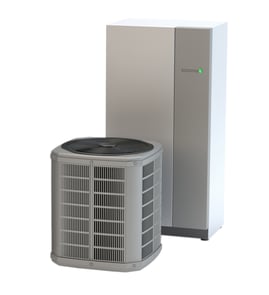





How much should a 3 ton heat pump replacement cost?
A typical 3-ton heat pump replacement (equipment plus professional installation) usually runs about $9,000 to $15,000, with many straightforward swaps landing around $10,000 to $12,000. Your Gree ETAC-15HP230V30A-A is a packaged terminal style unit (15,000 BTUH class), so pricing can differ from a central 3-ton system; use the installation guide to confirm what your unit supports before quoting work.
What drives the installed price
The biggest cost swings come from efficiency level, electrical work, and how much of the existing system can be reused.
- Heat pump efficiency and features (higher efficiency typically costs more)
- Electrical scope (disconnect, breaker, wiring, whip, and any code updates)
- Ductwork or air distribution changes (central systems) or sleeve/wall opening fit (PTAC/ETAC style)
- Refrigerant line work (central split systems) and evacuation/charging labor
- Permits and inspections (common in many areas)
- Access and labor time (roof, attic, tight mechanical closet)
Quick cost breakdown (typical ranges)
| Cost bucket | Typical range | What it usually includes |
|---|---|---|
| Heat pump equipment | $3,000 to $6,000+ | Outdoor unit (and indoor coil/air handler if applicable) |
| Labor and standard install | $2,000 to $4,000+ | Removal, setting equipment, startup, basic materials |
| Electrical, duct, or line-set extras | $500 to $5,000+ | Upgrades, modifications, longer runs, repairs |
How this relates to ETAC-15HP230V30A-A
This model family is identified in the documentation as ETAC with 15,000 BTUH capacity and HP (heat pump) type. That is not the same as a central 3-ton (36,000 BTUH) heat pump, so we treat it as a different replacement category when you are comparing bids.
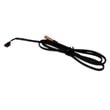
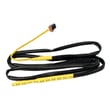
If you are troubleshooting performance before replacing anything, common electrical and sensor-related parts on this model include the room air conditioner thermistor 390000596 and the room air conditioner ambient thermistor 3900012123.
Why it matters
Matching capacity and electrical requirements prevents comfort problems, nuisance shutdowns, and expensive rework. On heat pump models like this, the unit can also switch to electric heat in colder conditions, which affects operating cost and how contractors size and configure the replacement.
If you decide to replace parts or the full unit, you can order model-matched components from the parts list for ETAC-15HP230V30A-A, or search by model on Sears PartsDirect.
Last updated: February 2026
What are common problems with Gree AC units?
Common problems we see with Gree AC units like model ETAC-15HP230V30A-A include no cooling or heating, icing on the coil, water leaks from poor condensate handling, and electrical or sensor-related faults that can show up as error codes. Many issues start with airflow restrictions, power supply problems, or failing temperature sensors.
Most common symptoms and what they usually mean
- Weak cooling or heating: dirty filter, blocked coil, or outdoor air recirculation from a poor sleeve or grille seal
- Ice buildup on the coil: low airflow (dirty filter or coil) or low refrigerant charge (sealed-system issue)
- Unit will not start: voltage issue, blown fuse, or open circuit breaker (often tied to incorrect electrical protection)
- Intermittent operation: loose wiring connections or failing sensors
- Water dripping or musty odor: condensate not evaporating or draining as designed
Quick checks you can do safely
- Turn the unit OFF and verify the breaker and receptacle rating match the unit’s electrical requirements.
- Confirm the outdoor grille and sleeve are installed so the outdoor coil area is sealed; poor sealing can cause air recirculation, performance loss, and premature component damage.
- Inspect visible wiring for heat damage or looseness at connectors.
- Clean or replace the air filter and keep the coil area clear.
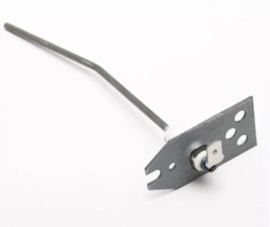
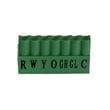
If you find a burned or loose connection, the room air conditioner terminal connector 42010039S is a common electrical part involved in power and control connections; use the exact replacement room air conditioner terminal connector 42010039S.
Parts that commonly relate to these problems
| Problem you notice | Common part to test/inspect | What it affects |
|---|---|---|
| Wrong temperature, short cycling | Thermistor | Temperature sensing and control logic |
| Poor airflow or unusual fan noise | Propeller or bearing | Air movement and fan stability |
| No outdoor heat rejection, overheating | Condenser fan motor | Cooling performance and compressor protection |
Model ETAC-15HP230V30A-A uses thermistors for temperature sensing; if readings are erratic, check room air conditioner thermistor 390000596 and room air conditioner ambient thermistor 3900012123.
Why installation details matter on this model
The installation guide notes these units ship without a sleeve, and retrofit installs must maintain proper sealing at the outdoor coil tube sheets. When the seal is poor, air recirculates and performance drops, which can also accelerate wear on major components. For model-specific installation requirements and electrical protection guidance, use the installation guide.
For ordering, you can buy the parts listed for ETAC-15HP230V30A-A on this page, or search by model number on Sears PartsDirect.
Last updated: February 2026
What are the 5 main components of a heat pump?
For a heat pump system, the five core components we look for are the compressor, condenser coil, expansion device, evaporator coil, and a reversing valve (plus fans/blowers to move air across the coils). On your Gree ETAC-15HP230V30A-A package unit, these work together with controls and electric heat backup; see the installation guide for configuration details.
The 5 main components (what each one does)
- Compressor: Pumps refrigerant through the sealed system and raises pressure and temperature.
- Condenser coil: Releases heat to the outdoor air (in heating mode, it is typically the outdoor coil).
- Expansion device (metering device): Drops refrigerant pressure so it can absorb heat efficiently.
- Evaporator coil: Absorbs heat from air moving across the coil (in heating mode, it is typically the indoor coil).
- Reversing valve: Switches refrigerant flow direction so the unit can heat or cool.
What else is “main” on a packaged heat pump unit like ETAC-15HP230V30A-A
Many customers also consider these essential because they directly affect comfort and operation:
- Outdoor fan motor and indoor fan motor/blower (moves air across coils)
- Control board and sensors (thermistors) (manage temperature and defrost logic)
- Electric heater strips (backup heat when outdoor temps are too low)
How this shows up in your unit’s operation
Your installation information describes several heat-pump behaviors that depend on those components and controls:
- Automatic defrost/low outdoor temperature operation: around 40°F (4.4°C), the unit can switch from compressor heating to electric heat until conditions improve.
- Quick warm-up: if room temperature drops about 5°F (2.8°C) below setpoint, the unit can use electric strip heat for a cycle.
- Freeze protection: if enabled, when the unit senses below 40°F (4.4°C) it can run the fan motor and electric heater to warm the room to about 50°F (10°C).
Quick comparison: heat pump vs. electric heat only (DIP switch)
| Mode | What runs | What you notice |
|---|---|---|
| Heat pump (normal) | Compressor + fans (and reversing valve as needed) | More efficient heating in mild weather |
| Electric heat only (emergency) | Electric heater + fan | Faster, higher power use; used when needed |
Why it matters
Knowing these five components helps you troubleshoot symptoms correctly. For example, poor heating in mild weather points toward the refrigerant-side components (compressor, coils, metering device, reversing valve), while heat that works only in “electric” points toward controls, sensors, or heat pump changeover logic.
Last updated: February 2026