Owner’s manual
 Error Codes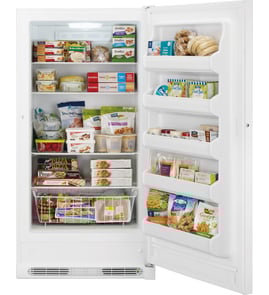



What is the average lifespan of an upright freezer?
An upright freezer typically lasts 10 to 15 years. For your Criterion CUF179WD1W upright freezer, steady temperatures, good airflow around the cabinet, and routine cleaning are the biggest factors that help you reach (and often exceed) that average; see the owner's manual for model-specific care guidance.
Typical lifespan ranges (what we see most often)
| Upright freezer condition | Typical lifespan | What usually shortens life |
|---|---|---|
| Normal household use | 10 to 15 years | Poor ventilation, heavy frost, dirty condenser area |
| Well maintained, stable environment | 12 to 20 years | Overloading, frequent warm-air door openings |
| Harsh conditions (hot garage, dusty area) | 7 to 12 years | High ambient heat, dust buildup, long run times |
Maintenance that extends freezer life
- Keep the freezer level so the door seals evenly.
- Maintain air clearance around the cabinet so heat can dissipate.
- Defrost when frost buildup becomes heavy (frost forces longer run times).
- Keep the door gasket clean and pliable so it seals tightly.
- Avoid frequent, long door openings; warm air adds moisture and frost.
- Use a surge protector rated for appliances to reduce electrical stress.
Signs it is nearing end of life
- Runs almost constantly or struggles to hold safe freezing temperatures
- Excessive frost returning quickly after defrosting
- Unusual clicking, buzzing, or loud compressor noise
- Hot exterior sidewalls more often than normal (heat rejection issues)
- Water leaks inside from recurring ice melt or drain issues
Why it matters
A freezer that runs longer than it should uses more electricity and puts extra wear on the sealed system (compressor and refrigerant loop). Simple habits like good ventilation and controlling frost reduce run time and help the CUF179WD1W stay reliable longer.
For model-based parts lookup and diagrams, start with the parts list for CUF179WD1W, or search by model on Sears PartsDirect.
Last updated: February 2026
Can you lay down a brand new freezer?
Yes, you can lay down a brand new Criterion CUF179WD1W upright freezer for transport when you have to, but we keep it upright whenever possible. If you must lay it down, position it on the compressor side and let it stand upright before plugging it in.
Best way to transport an upright freezer
- Keep the freezer upright the entire time whenever possible.
- If it must go on its side, lay it on the compressor side (the side where the sealed system components are mounted).
- Avoid transporting it on the door side; this helps protect hinges, door alignment, and shelving.
- Secure the unit to prevent tipping and vibration.
- Once in place, level it and make sure the door seals evenly.
How long to wait before turning it back on
After moving the freezer, set it upright and wait before powering it on so refrigerant oil can settle back where it belongs.
| How it was transported | What we recommend before plugging in |
|---|---|
| Stayed upright | Plug in after it is positioned and leveled |
| Laid on its side | Stand upright and wait at least 4 hours |
For model-specific handling notes and safety guidance, use the owner's manual.
Why it matters
Laying an upright freezer down can let compressor oil migrate into the refrigerant lines. Letting the unit sit upright before startup helps prevent hard starting, poor cooling, and compressor damage.
Parts and help for this model
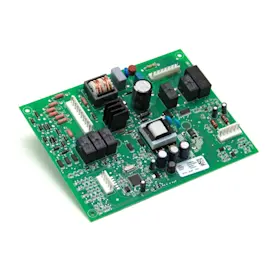
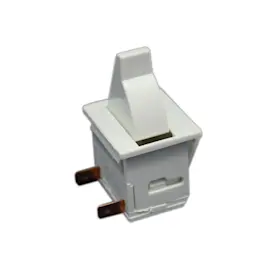
If you need replacement shelves, door bins, drawer bins, or electrical components for the CUF179WD1W, start with the parts list for this model; you can also search by model number on Sears PartsDirect.
Last updated: February 2026
What is the disadvantage of an upright freezer?
The main disadvantage of an upright freezer (including the Criterion CUF179WD1W) is that it loses cold air faster when you open the door, so it typically uses more energy and can warm up sooner during a power outage than a chest freezer. See the owner's manual for model-specific use and care guidance.
Common disadvantages (upright vs. chest)
- More cold-air loss at the door: cold air spills out when the door opens, so the compressor may run more.
- Less forgiving in outages: temperature rises faster because the cold air is not “trapped” like it is in a chest.
- More frost risk (on many uprights): frequent door openings and humid air can increase frost buildup.
- Fixed shelving limits bulky items: large boxes or odd-shaped cuts of meat can be harder to fit.
- More seal-dependent: a worn door gasket can cause noticeable temperature swings and higher run time.
What you gain in return
Uprights are popular because they are easier to organize and access. If you use your freezer daily, the convenience often outweighs the efficiency tradeoff.
| Feature | Upright freezer | Chest freezer |
|---|---|---|
| Organization | Shelves/bins make sorting easy | Stacking can hide items |
| Energy use (typical) | Higher | Lower |
| Door-open cold loss | Higher | Lower |
| Bulky item storage | Often harder | Often easier |
| Power outage hold time | Often shorter | Often longer |
How to reduce the disadvantages on CUF179WD1W
- Keep the freezer reasonably full (use water jugs or ice packs to fill empty space).
- Open the door less often; plan what you need before opening.
- Check that the door closes firmly and the gasket seals all the way around.
- Keep airflow clear inside; do not pack items tightly against vents.
- Use our model page to look up replacement parts, or search by model on Sears PartsDirect.
Why it matters
Energy use, frost buildup, and temperature stability directly affect food quality and operating cost. A good seal and smart loading habits make an upright freezer perform much closer to its best.
Last updated: February 2026