Installation guide
 Owner’s manual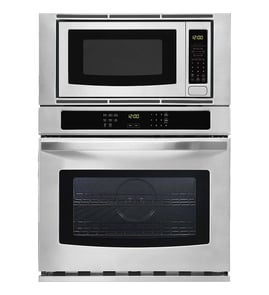



Are combo microwave convection ovens good?
Yes, combo microwave convection ovens are a strong choice when you want one appliance to handle fast reheating plus more even, oven-like cooking. With the Whirlpool RMC305PVS01 built-in microwave/oven combination, you get flexibility for everyday meals, but you will use the best features most if you bake, roast, or crisp foods regularly.
What they are best at
A microwave + convection combo shines when you want speed and better texture than a microwave alone.
- Reheating leftovers faster than a standard oven
- Crisping and browning foods (pizza, fries, casseroles)
- Baking small batches without heating the whole kitchen
- Cooking more evenly than microwave-only modes
- Saving space versus separate appliances
When a combo is the right fit (and when it is not)
Use this quick comparison to decide.
| Your priority | Combo microwave convection oven | Separate microwave + oven |
|---|---|---|
| Speed for weeknight cooking | Excellent | Good |
| Browning/crisping | Very good | Excellent (full oven) |
| Capacity for large roasts/turkeys | Limited (upper cavity) | Best |
| Learning curve (modes, cookware) | Moderate | Low |
What to know for safe, reliable use
Because this is a built-in combination unit, correct installation and safe operation matter as much as cooking performance.
- Follow grounding and electrical requirements in the RMC305PVS01 installation guide
- Keep the door, hinges, and sealing surfaces clean so the door closes properly
- Avoid metal scouring pads; pieces can contact electrical parts
- Do not heat sealed containers (they can burst)
- If the lower oven is in a Self-Clean cycle, the upper microwave will not operate
Why it matters
A combo unit is “good” when it matches how you cook. If you mostly reheat coffee and leftovers, you may not benefit from convection features. If you want faster meals with better browning and fewer appliances in the wall cutout, a combo is a practical upgrade.
Last updated: January 2026
What company makes the best wall ovens?
There is no single “best” wall oven company for everyone; the best choice depends on your cooking style, budget, and must-have features. For a Whirlpool built-in combo like model RMC305PVS01, we focus on fit, reliable heating, and serviceable parts support so the oven performs consistently over time.
How we recommend choosing a “best” wall oven brand
- Fit first: confirm cabinet cutout and product dimensions before you buy.
- Cooking performance: look for even baking, accurate temperature control, and convection options.
- Features you will actually use: self-clean, probe, smart features, microwave combo convenience.
- Serviceability: availability of common wear parts (sensor, elements, door hardware).
- Electrical requirements: verify your home wiring and junction box location match the installation needs.
For model-specific fit guidance, use the RMC305PVS01 installation guide.
Brand comparison (what “best” usually means)
| Brand | Often chosen for | Good fit if you want |
|---|---|---|
| Whirlpool | Practical features, broad parts availability | Straightforward ownership and repair support |
| GE Appliances | Feature-rich options, wide lineup | Lots of configurations and modern controls |
| Bosch | Quiet operation, premium build feel | Refined design and consistent performance |
| Café | Design-forward, premium features | Style plus advanced cooking modes |
| Thermador | High-end performance | Luxury features and pro-style results |
Why it matters for your Whirlpool RMC305PVS01
A wall oven is only “best” if it fits the cabinet correctly and holds temperature accurately. For combo units, proper installation clearances and electrical setup also help prevent nuisance shutdowns and heat-related issues.
Parts that commonly affect performance (and are serviceable)
- Temperature accuracy issues: consider the wall oven temperature sensor WPW10131825
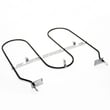
- Broil problems: check the range broil element WP9760771
- Door not closing or heat leaking: inspect hinges and bumpers
Last updated: January 2026
What are the disadvantages of a microwave oven combo?
A microwave/oven combo like the Whirlpool RMC305PVS01 saves space, but it can be more complex to own than separate appliances. The biggest disadvantages are higher repair complexity, more heat and electrical requirements in one cabinet, and more surfaces and components to clean and maintain.
Common disadvantages to expect
- More complicated repairs: One unit combines microwave controls, door switches, sensors, and oven heating components; troubleshooting takes longer.
- More downtime risk: If one section fails, you may lose both microwave convenience and oven capability until service is completed.
- Harder cleaning: You are maintaining both a microwave cavity and an oven cavity, plus vents, trim, and door seals.
- Tighter installation constraints: Built-in combos require correct cutout, mounting, and electrical setup; follow the RMC305PVS01 installation guide.
- Heat management: Built-in ovens rely on airflow and cooling; blocked vents can cause overheating and shutdowns.
What “more complex” means in real life
Here are examples of combo-specific parts that can add troubleshooting steps:
| Symptom | Often involves | Example part for RMC305PVS01 |
|---|---|---|
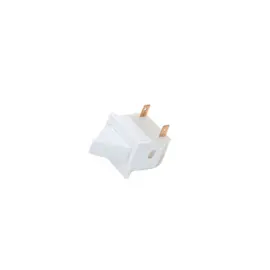
| Microwave will not start | Door safety circuit | Microwave door interlock switch W10211972 |
| Oven temperature seems off | Temperature sensing circuit | Wall oven temperature sensor WPW10131825 |
| Unit shuts down when hot | Overheat protection | Range high-limit thermostat WP9759243 |
Why it matters
A combo unit concentrates cooking, wiring, and ventilation into one built-in space. The manual emphasizes installing and locating the unit according to the installation instructions and using proper grounding; those requirements help prevent nuisance shutdowns, longer cook times, and avoidable service calls. See the RMC305PVS01 owner’s manual for operating and care guidance.
Last updated: January 2026