Owner’s manual
 Error Codes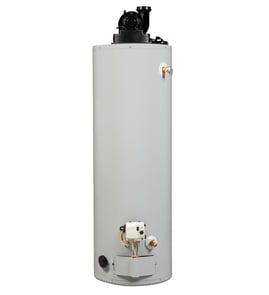


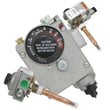

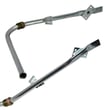
How do I know if my thermocouple is bad on my gas water heater?
On Kenmore gas water heater model 153336151, a bad thermocouple usually shows up as a pilot flame that lights but will not stay lit when you release the gas control knob; that shuts the gas valve and the burner cannot heat water. Follow the lighting and safety steps in the 153336151 owner's manual first.
- Pilot goes out immediately when you release the knob after lighting
- Pilot stays lit sometimes, but goes out randomly and you lose hot water
- Burner will not stay on because the gas control valve is not being “proved”
- Repeated relighting attempts are needed
- Soot or carbon buildup around the pilot and thermocouple tip
- Look at the pilot flame through the viewing opening behind the outer door
- Confirm the manual gas shut-off valve is fully open
- Make sure the thermocouple tip sits directly in the pilot flame (not bent away)
- Check that the thermocouple connection at the gas control valve is snug (do not overtighten)
- If you smell gas, stop and follow the manual’s gas-odor safety instructions
| Symptom | More likely cause | What to do next |
|---|---|---|
| Pilot will not stay lit after releasing knob | Thermocouple, weak/dirty pilot flame | Clean pilot area; replace the failing component |
| No hot water and pilot is out | Pilot outage, gas supply issue | Relight using the manual’s lighting steps |
| Water was extremely hot, then goes cold | High temperature shut-off in gas control valve | Turn off gas supply; have the gas control valve serviced |
If the pilot flame is weak or unstable, the issue is often in the pilot assembly or pilot tubing, not only the thermocouple.
The thermocouple is a flame-safety device. When it does not sense heat from the pilot, it signals the gas control valve to shut off gas; that is why the most common symptom is “pilot won’t stay lit.”
Last updated: January 2026
What is the life span of a gas water heater?
A gas water heater typically lasts 8 to 12 years. For the Kenmore model 153336151 (Power Miser 6), consistent maintenance like periodic tank flushing and keeping the burner area properly ventilated helps you reach the upper end of that range.
Most homeowners see lifespan vary based on water quality, usage, and maintenance.
- 8 to 12 years is typical for a residential gas tank water heater
- Hard water and heavy hot-water demand shorten life
- Sediment buildup increases noise and reduces efficiency
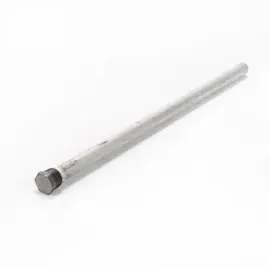
- Corrosion protection depends heavily on the anode rod condition
- Poor combustion air or venting can cause performance problems and service issues
Use the 153336151 owner’s manual for the exact procedures and safety steps for your Kenmore water heater.
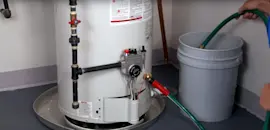
- Flush the tank periodically to reduce sediment
- Inspect for water leaks at fittings and the tank base
- Keep combustion air openings clear; never block ventilation air
- Check the temperature-pressure relief valve discharge piping is unobstructed and properly routed
- Address “smelly water” by servicing the anode system (the manual warns not to remove the anode and leave the tank unprotected)
| What you notice | Common cause | What to do next |
|---|---|---|
| Rumbling/popping | Sediment in tank | Flush tank; evaluate age |
| Rusty water | Corrosion inside tank or fittings | Inspect anode; plan replacement if tank is aging |
| Pilot won’t stay lit | Pilot/thermocouple issue | Inspect/replace ignition parts |
| Not enough hot water | Thermostat setting, sediment, burner issue | Verify settings; flush; service burner |
Once a gas water heater gets past about 10 years, the risk of tank leakage and efficiency loss rises quickly. Planning ahead helps you avoid an unexpected no-hot-water situation and potential water damage.
Last updated: January 2026
What is the most common problem with a gas hot water heater?
The most common gas water heater problem is no hot water because the pilot flame goes out, which prevents the main burner from lighting. On Kenmore model 153336151, the manual specifically calls out checking the pilot flame first, along with the manual gas shut-off valve and the gas control knob setting; see the 153336151 owner's manual.
- Confirm the manual gas shut-off valve is fully open.
- Look through the viewing opening to verify the pilot flame is lit.
- Make sure the gas control knob is set to ON (not PILOT or OFF).
- If the pilot is out, follow the lighting steps in the manual label and the 153336151 owner's manual.
- If you recently had very cold incoming water or short, frequent hot-water draws, watch for temperature swings that can affect operation.
| Symptom | Most likely cause | What to check next |
|---|---|---|
| Pilot will not stay lit | Weak thermocouple or pilot issue | Inspect/replace the pilot components and thermocouple connections |
| No hot water, pilot out | Pilot extinguished by downdraft/venting or condensation | Verify venting and look for moisture at the burner area |
| Water seems “too hot” then goes cold | High temperature shut-off activated (non-resettable) | Turn off gas supply and arrange service for gas control valve replacement |
| Rumbling/popping sounds | Sediment buildup in tank | Flush tank per maintenance guidance in the manual |
If troubleshooting points to the ignition system, these are common replacement parts for model 153336151:
- Pilot 100109070 (pilot assembly)
- Water heater pilot tube assembly 100108370 (pilot tube assembly)
A stable pilot and proper venting are essential for safe, consistent burner ignition. When the pilot goes out, the heater stops producing hot water; repeated outages can also point to venting or moisture issues that should be corrected before replacing multiple parts.
Last updated: January 2026