 Error Codes



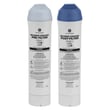
Can I use a generic water filter in my GE refrigerator?
Using a generic water filter in a GE refrigerator is not a good idea; we recommend using a genuine GE filter that matches your refrigerator’s exact model requirements so you get proper fit, flow, and filtration performance.
What can go wrong with a generic filter
- Poor seal at the filter head can cause leaks or air in the water line
- Reduced water flow can slow dispensing and affect ice maker fill
- Off-taste or odor can return sooner if filtration media is lower quality
- Bypass or incorrect internal valving can let unfiltered water through
- Premature clogging can make the refrigerator work harder to push water
How to choose the right filter (quick checklist)
- Confirm your refrigerator model number (from the rating plate)
- Match the filter part number listed for that refrigerator model
- Replace on schedule (most refrigerator filters are changed about every 6 months)
- Flush water after installation until it runs clear and steady
If you are working on a GE GXRQ18NBN water treatment setup (not a refrigerator cartridge), use the correct GE replacement filters and components for this system, such as the pre/post ro filters FQ18PN when it is time to service the filtration stages.
Common symptoms and the most likely cause
| Symptom | Most common cause | What to do first |
|---|---|---|
| Slow water flow | Clogged filter media | Replace the correct filter and flush lines |
| Leaking at connections | Misfit filter or worn seals | Reseat connections; inspect O-rings |
| Bad taste/odor | Filter overdue or wrong type | Install the correct filter for the unit |
| No water output | Shutoff closed or flow restriction | Verify supply, then check flow control |
Why it matters
A water filter is a sealed, pressurized component. Using the correct GE-matched filter protects against leaks, keeps water flow stable, and ensures the filtration system performs as designed.
Last updated: January 2026
Can I use my GE refrigerator without a water filter?
Yes. GE refrigerators that use a replaceable filter are designed to run without the filter only when a refrigerator-specific bypass plug is installed in the filter slot so the water path stays sealed and flowing.
What to do (refrigerator setup)
- Find your refrigerator model number and match the correct bypass plug to that model.
- Remove the water filter cartridge from the refrigerator filter housing.
- Install the bypass plug fully so the housing seals.
- Dispense water for 2 to 5 minutes to purge air and clear the line.
- Check the dispenser area and filter housing for leaks.
Important note about GXRQ18NBN
GXRQ18NBN is a GE faucet water filter and reverse osmosis style water treatment system, not a refrigerator filter. Parts listed for GXRQ18NBN support the under-sink filtration system and do not replace a refrigerator bypass plug.
If you are troubleshooting the GXRQ18NBN system (under-sink)
These parts commonly affect flow and sealing in the filtration system:
- Filter housing WS19X21938 (cracks, O-ring sealing issues)
- Flow control kit WS02X21934 (restricted flow or incorrect flow rate)
- Check valve kit WS15X21935 (backflow issues, slow fill symptoms)
Quick comparison
| Setup | Water flow | Filtration | Typical use |
|---|---|---|---|
| Refrigerator filter installed | Normal | Yes | Standard dispenser and ice maker use |
| Refrigerator bypass plug installed | Normal | No | External filtration or no filtration |
| Filter removed, no bypass | Often low or none | No | Not recommended |
Why it matters
A bypass plug keeps the refrigerator’s internal water circuit sealed and prevents low flow, air in the line, and leaks at the filter housing while allowing the dispenser and ice maker to operate.
Last updated: January 2026
What is the average lifespan of GXRQ18NBN?
A GE GXRQ18NBN faucet water filter system typically lasts 10 to 15 years as a complete assembly when it is maintained and wear items are replaced on schedule. Most “end of life” issues come from leaks, restricted flow, or worn internal valves rather than the housing itself.
What usually determines lifespan
- Water quality (sediment and hardness wear parts faster)
- Water pressure (high pressure stresses fittings and valves)
- Maintenance frequency (timely filter changes and sanitizing)
- Usage volume (more gallons per day equals more cycling)
- Age of seals and internal controls (common leak points)
Parts that most often drive replacement decisions
If the system is leaking, won’t shut off, or has very low flow, these model-matched parts are common fixes:
- Filter housing WS19X21938 (cracks, stripped threads, persistent leaks)
- Automatic shutoff kit WS15X21932 (won’t stop running, tank overfills, constant drain)
- Flow control kit WS02X21934 (slow production, poor flow balance)
- Check valve kit WS15X21935 (backflow symptoms, odd cycling)
- Sanitization kit WS35X22001 (routine cleaning to reduce taste/odor and biofilm)
Quick “repair vs. replace” guide
| Symptom | Most likely cause | Typical next step |
|---|---|---|
| Water under sink | Loose fitting, worn seal, cracked housing | Inspect tubing and fittings; replace housing if cracked |
| Very slow flow at faucet | Clogged filters, flow control restriction | Replace filters; check flow control |
| System won’t shut off | Automatic shutoff or check valve issue | Replace shutoff or check valve kit |
| Frequent cycling | Check valve, pressure imbalance | Check valve and tubing routing |
Why it matters
A faucet-mounted RO-style system like the GE GXRQ18NBN can run for many years, but small leaks or shutoff problems can waste water and damage cabinets. Replacing the right valve, housing, or control part often restores full service life.
Last updated: March 2026