Installation guide
 Owner’s manual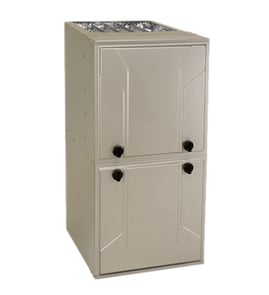



How much does it cost to install a 100,000 BTU furnace?
Installing a 100,000 BTU class furnace typically costs $6,000 to $12,000 in the U.S. for a straightforward replacement; the total rises when venting, gas piping, electrical, condensate drain, or ductwork changes are needed. For Carrier model 58CVA110---12120, the installation guide outlines critical combustion-air and setup requirements that can affect labor and materials.
These items change the quote the most:
- Venting and combustion air: new PVC vent runs, intake piping, terminations, or resizing combustion-air openings
- Gas line work: adding a sediment trap, resizing pipe, or relocating the shutoff
- Electrical: new disconnect, wiring repairs, or control upgrades
- Condensate management (high-efficiency setups): drain routing, pump, freeze protection
- Ductwork and airflow: transitions, return sizing, sealing, static pressure corrections
- Permits and inspections: varies by location
| Scenario | What it usually includes | Typical total cost |
|---|---|---|
| Like-for-like replacement | Minimal changes to venting, gas, electrical, and duct connections | $6,000 to $8,500 |
| Moderate modifications | Some venting reroute, minor duct transition, condensate updates | $8,500 to $10,500 |
| Major modifications | Significant venting changes, gas line relocation, duct redesign, added accessories | $10,500 to $12,000+ |
For the 58CVA110---12120 installation, two common cost adders come straight from setup and code-driven requirements:
- Combustion air sizing: the guide provides minimum free-area requirements by BTU input; for 110,000 BTU input, openings and duct diameters must meet the specified free area.
- Blower off-delay setup: the control board has selectable blower off-delay settings (90 to 180 seconds). Dialing in comfort and noise can add commissioning time.
A furnace “install price” is really a bundle of safety, code compliance, and performance steps. Proper combustion air, correct venting, and correct airflow protect the heat exchanger, reduce nuisance limit trips, and help the furnace heat evenly.
If your quote includes replacing failed components instead of the full furnace, you can match parts to this model’s list and order through the parts section for 58CVA110---12120, or search by model on Sears PartsDirect.
Last updated: February 2026
What is the most common part to fail on a furnace?
On a Carrier furnace like model 58CVA110---12120, the most common “failure point” is usually a maintenance-related item (especially a dirty air filter) that triggers safety shutdowns; after that, ignition and safety controls are frequent culprits. Use the 58CVA110---12120 installation guide to follow safe service steps.
- Air filter: A clogged filter restricts airflow and can overheat the furnace, tripping safety limits.
- Ignition components: Hot-surface igniters commonly wear out; this model’s parts list includes an icp furnace burner igniter LH33ZG001.
- Safety limit switches: Overheating or airflow problems can open a limit switch; examples on this model include furnace temperature limit switch HH18HA495 and furnace temperature limit switch HH18HA493.
- Gas valve or gas supply issues: A failing valve can prevent ignition; this model’s parts list includes a gas valve EF33CW180.
- Control board and wiring: Loose connections or a failed control can stop the heat cycle.
Turn off electrical power to the furnace before opening panels; shut off gas if you will be working near the burner or gas valve.
- Replace the filter and confirm the filter access door is installed correctly.
- Check the breaker and furnace service switch.
- Look for a blocked return grille or closed supply registers.
- Inspect the burner area for heavy dust, rust, or soot.
- If the blower runs but heat shuts off quickly, suspect airflow or a limit switch opening.
| Symptom | What it often points to | Example part on this model |
|---|---|---|
| Furnace starts, then shuts down quickly | Overheat condition, limit opening | HH18HA495 / HH18HA493 limit switch |
| Inducer runs, no ignition | Igniter not heating | LH33ZG001 igniter |
| Ignition happens, then no steady flame | Gas delivery or control issue | EF33CW180 gas valve |
Many “failed parts” are actually the result of restricted airflow or unsafe operating conditions. The installation and service instructions for this furnace call out routine maintenance like checking and cleaning the air filter monthly and inspecting the blower and burner compartment each season; doing that prevents nuisance shutdowns and premature wear.
We recommend matching parts by the exact model number 58CVA110---12120 and the part ID shown in the parts list. You can order model-matched parts from the list for this furnace, or search by model number on Sears PartsDirect.
Last updated: February 2026
What is the average lifespan of a carrier furnace?
A Carrier gas furnace typically lasts 20 years. With correct installation, clean combustion air, and routine service, many units reach 25 to 30 years; poor airflow, overheating, and corrosive air shorten life. For your Carrier 58CVA110---12120, follow the maintenance guidance in the installation guide.
- Average: about 20 years
- Well maintained: 25 to 30 years
- Hard use or neglected maintenance: 10 to 15 years
- Heat exchanger life: often sets the practical end-of-life timeline
Your 58CVA series installation instructions call out several conditions that directly reduce furnace life:
- Corrosive or contaminated combustion air (common household chemicals can corrode flue-gas parts)
- Overheating from incorrect temperature rise (running outside the rating-plate rise range)
- Restricted airflow (dirty filter, blocked returns, closed registers, undersized ductwork)
- Improper venting or combustion air setup
- Repeated limit trips (often tied to airflow or blower issues)
- Replace or clean the air filter on schedule for your filter type.
- Keep supply registers and return grilles open and unobstructed.
- Make sure the furnace is not installed where chemical fumes are present.
- Have temperature rise verified so it stays within the rating-plate range.
- Address frequent cycling, unusual noises, or burning smells promptly.
| What you’re dealing with | What it usually means | Typical next step |
|---|---|---|
| Ignition or flame-proving issues | Normal wear item failure | Diagnose and replace the failed component |
| Limit switch trips | Airflow or overheating problem | Correct airflow, then test limits |
| Heat exchanger concerns | Major component | Evaluate repair vs. replacement |
If you’re troubleshooting overheating or nuisance shutdowns, a failed limit switch is a common finding; we stock model-matched options like the furnace temperature limit switch HH18HA495. For ordering additional parts by model number, use the parts list for 58CVA110---12120 or search on Sears PartsDirect.
A furnace that runs hot or breathes contaminated combustion air can lose years of service life and may also cause repeated shutdowns. Keeping airflow correct and combustion air clean protects major components like the heat exchanger and control board.
Last updated: February 2026
How many square feet will a 120000 BTU furnace heat?
A 120,000 BTU furnace typically heats about 2,000 to 3,000 square feet in many homes, depending on climate and how tight and insulated the house is. For your Carrier 58CVA110---12120 furnace, confirm the actual input and setup details in the installation guide.
Use these common planning ranges:
- 25 to 35 BTU/sq ft: mild climates, well-sealed, good insulation
- 35 to 45 BTU/sq ft: mixed climates, average insulation
- 45 to 60 BTU/sq ft: cold climates, older or drafty homes
These estimates show why the “right” number varies:
| Home condition | BTU per sq ft | Approx. area |
|---|---|---|
| Tight, mild climate | 30 | ~4,000 sq ft |
| Average | 40 | ~3,000 sq ft |
| Drafty, cold climate | 55 | ~2,180 sq ft |
Oversizing often causes short cycling (frequent on/off), which reduces comfort and can increase wear on ignition and safety controls.
These items change delivered heat and comfort:
- Duct leakage or poor airflow
- Ceiling height and open floor plans
- Insulation and window quality
- Thermostat location and settings
- Correct gas input and combustion air provisions (per the installation guide)
If the furnace runs but heat is inconsistent, these model-listed parts are commonly involved:
- Gas valve EF33CW180 (fuel delivery and manifold pressure control)
- Furnace temperature limit switch HH18HA495 (opens on overheating, often tied to airflow)
- Icp furnace burner igniter LH33ZG001 (ignition reliability)
You can order parts from the list for this model, or search by model number on Sears PartsDirect.
Last updated: February 2026
Should a 25 year old furnace be replaced?
Yes. A 25-year-old Carrier furnace like model 58CVA110---12120 should be replaced because a gas furnace’s typical lifespan is 15 to 25 years; at this age, reliability drops and repair costs stack up quickly compared with planned replacement.
Replace now if you’re seeing any of these:
- More than one significant repair in the last 2 to 3 heating seasons
- Repeated no-heat events, ignition failures, or control lockouts
- Uneven heat, longer run times, or rising gas bills
- Overheating shutdowns (limit switch trips) tied to airflow problems
- Multiple parts needed at once (igniter, gas valve, limit switch, control)
These are frequent “next failures” on aging systems:
- Ignition components such as the icp furnace burner igniter LH33ZG001
- Gas delivery parts such as the gas valve EF33CW180
- Safety controls such as the furnace temperature limit switch HH18HA495
- Blower motor/module and blower wheel wear
- Control board faults and intermittent electrical issues
| Situation | What it usually means | Best move |
|---|---|---|
| One isolated, low-cost repair | Still serviceable | Repair and maintain |
| Repeated lockouts or no-heat calls | Unreliable operation | Plan replacement |
| Several expensive parts pending | Costs escalate fast | Replace instead |
At 25 years, the biggest risk is an in-season breakdown. Planning replacement on your schedule avoids emergency downtime and helps prevent repeated spending on major components.
- Change the filter on schedule; keep supply and return vents open
- Schedule a professional cleaning and inspection
- Keep solvents, paints, and other corrosive chemicals away from the furnace area
- Follow shutdown and safety steps in the installation guide
You can order model-specific replacement parts from the parts list for 58CVA110---12120, or search by model on Sears PartsDirect.
Last updated: February 2026