

Do all over-the-range microwaves have the same dimensions?
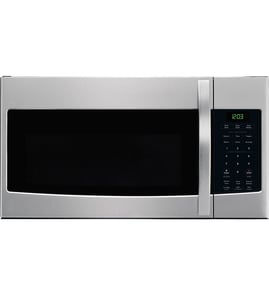
No. Over-the-range microwaves (including the GE PWB7030SL4SS microwave/hood combo) are built around common cabinet widths, but overall dimensions are not identical. Most are designed to fit standard 30-inch-wide spaces, while height and depth vary by design (standard vs low-profile) and venting layout.
Most over-the-range units fall into these common ranges:
- Width: about 29 7/8 to 30 inches (to match 30-inch cabinets)
- Height: about 16 to 18 inches (standard), or about 10 to 11 inches (low-profile)
- Depth: about 15 to 18 inches (often deeper when the door handle is included)
- Mounting: rear wall bracket plus upper cabinet bolts (hole locations vary by model)
Even when the width is “standard,” these details often differ:
- Mounting hole pattern in the upper cabinet
- Exhaust/venting options (recirculating vs outside venting) and duct alignment
- Door swing and handle depth (clearance over the cooktop)
- Bottom clearance to the range surface
- Electrical cord length and outlet location
Use this checklist to avoid a mismatch:
- Measure the cabinet opening width (inside-to-inside)
- Measure available height between cabinet bottom and any trim or soffit
- Measure depth to confirm the door can open fully
- Confirm your venting direction (top, rear, or recirculating)
- Verify the mounting bracket and bolt locations for the exact model
| Feature | Usually standardized | Often varies |
|---|---|---|
| Cabinet width target | Yes (typically 30 in.) | Sometimes (24 in. compact models exist) |
| Height | No | Yes |
| Depth | No | Yes |
| Mounting holes and bracket | No | Yes |
| Venting alignment | No | Yes |
A microwave/hood combo can look like it “should fit” but still fail installation because the mounting bolts, wall bracket, or vent cutout do not line up. Getting the right dimensions and venting layout prevents cabinet damage and rework.
If you are troubleshooting fitment after installation (door not closing, unit shifting, or interlock issues), inspect the door and latch area; the latch board WB10X32577 is one of the components involved in proper door alignment and safe operation.
Last updated: February 2026
Is GE PWB7030SL4SS considered high end?
Yes. The GE PWB7030SL4SS microwave/hood combo is typically considered a premium, higher-end option within mainstream GE over-the-range microwaves because it is positioned for upgraded design and features compared with basic models, without being a luxury-tier built-in system.
In this category, “high end” usually refers to a combination of stronger feature sets, better fit-and-finish (often stainless styling), and more advanced electronics.
Common high-end traits include:
- More sensor-based cooking and preset options
- Quieter, more effective venting and fan control
- More refined exterior design and lighting
- More complex electronics (display boards, main boards, relay boards)
- Higher replacement-part costs for key assemblies
This is a practical way to think about where the PWB7030SL4SS fits when shopping or comparing repairs.
| Tier | Typical positioning | What you usually see |
|---|---|---|
| Entry-level | Basic heat and vent | Fewer sensors, simpler controls |
| Premium mainstream | Upgraded features and styling | More sensors, more electronics, higher part costs |
| Luxury / specialty | Design-forward or built-in systems | Specialized installs, premium materials, higher service complexity |
A more premium microwave/hood combo often has more control components and interlock hardware. That can improve usability, but it also means troubleshooting should be more methodical.
If you’re evaluating repair vs. replace, these parts commonly factor into cost and performance:
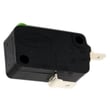
- Door safety and latch components like the "switch, p" WB24X10047 and microwave door interlock switch WB24X25397
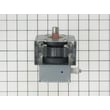
- Heating system components like the microwave magnetron WB26X32629
- User interface and control electronics like the microwave display board WB27X41746 and main board WB27X32915
- If the unit runs but does not heat, focus on high-voltage heating components and related diagnostics; see why is my microwave not heating.
- If the door will not close, the unit will not start, or it stops when the door moves, check the latch and interlock switch system first.
- If the display is dead or erratic, control and display boards are common suspects after verifying power.
Last updated: February 2026
What's the average lifespan of a GE microwave?
Most GE microwaves, including over-the-range microwave/hood combos like model PWB7030SL4SS, typically last 7 to 10 years with normal household use. Heavy daily cooking, poor ventilation, and door or keypad wear can shorten lifespan; consistent cleaning and proper use help it reach the upper end.
A microwave’s life is usually limited by heat stress on electronics and wear on door and high-voltage components.
- Light use (reheat/defrost): often closer to 10 years
- Heavy use (daily cooking): often closer to 7 years
- Poor airflow or grease buildup: can shorten life noticeably
- Door slamming or misalignment: accelerates interlock wear
- Running empty or arcing events: can damage the waveguide area and magnetron
If your PWB7030SL4SS starts acting up, these are the most common failure patterns we see.
| Symptom | What it often points to | Example part on this model |
|---|---|---|
| Runs but does not heat | High-voltage system issue | Microwave magnetron WB26X32629 |
| Dead display or intermittent power | Power or control electronics | Power board WB27X32842 or main board WB27X32915 |
| Starts then stops when door moves | Door interlock/latch problem | Microwave door interlock switch WB24X25397 or "switch, p" WB24X10047 |
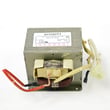
| Loud hum, burning smell, weak heat | High-voltage component stress | Microwave high-voltage transformer WB17X10030 or drive capacitor WB27X11033 |
These habits reduce heat and grease stress on the control board, fan system, and door switches.
- Keep the cavity and door seals clean and dry
- Use the hood fan when cooking on the range to reduce heat soak
- Avoid slamming the door; close it firmly and evenly
- Never run the microwave empty
- Stop use if you see arcing or burn marks; inspect the waveguide cover (this model uses microwave waveguide cover WB06X10638)
Once a microwave/hood combo reaches the 7 to 10 year range, small issues (door interlocks, boards, high-voltage parts) become more common. Catching symptoms early helps you decide whether a targeted repair makes sense.
For more troubleshooting steps, use our DIY guide: why is my microwave not heating.
Last updated: February 2026