Owner’s manual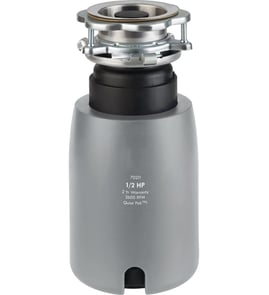


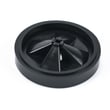
Are garbage disposal attachments universal?
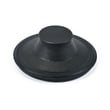
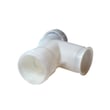
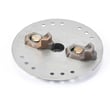
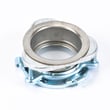
Garbage disposal attachments are not universal. For Kenmore model 17560554CE, the sink flange and mounting assembly style must match your disposer and your sink drain opening; otherwise the disposer may not lock in, seal, or align with the discharge tube correctly. Use the owner's manual to confirm the mounting parts and connection style.
What “attachments” usually means (and what varies)
Most compatibility problems come from these connection points:
- Sink flange and mounting assembly (stopper, fiber gasket, backup ring, mounting ring, snap ring)
- Discharge tube connection (one-bolt vs two-bolt styles)
- Dishwasher inlet (whether your disposer has a dishwasher drain connection and the right kit)
- Drain trap and pipe size (common kitchen traps are 1 1/2 inch, but layouts vary)
- Electrical hookup (corded vs hardwired; clamp connector and wire nuts)
Quick compatibility checklist for 17560554CE
Use this checklist before buying any flange, mount, or discharge parts:
- Match the mounting ring and tab/track design so the disposer can twist-lock securely.
- Confirm the sink flange stack-up (fiber gasket, backup ring, mounting ring, snap ring) matches your sink thickness and material.
- Identify whether your plumbing needs a one-bolt or two-bolt discharge tube connection.
- If replacing an older unit, plan to use a new discharge tube and gasket so it seals properly.
- Verify you have the right tools and materials (plumber’s putty, adjustable pliers, electrical tape).
Common attachment types (what to compare)
| Attachment area | What must match | What happens if it does not |
|---|---|---|
| Sink flange and mount | Ring style, gasket stack, snap ring fit | Leaks, wobble, disposer will not lock in |
| Discharge tube | One-bolt vs two-bolt pattern | Misalignment, leaks at the outlet |
| Dishwasher connection | Inlet style and hose connection | Dishwasher will not drain correctly |
Why it matters
A disposer is supported by the mounting assembly; if the flange or mounting ring style is wrong, the unit can leak, vibrate, or fail to seat. Matching the correct mount and discharge connection also prevents drain leaks and repeat installation work.
Last updated: February 2026
How do I know which garbage disposal will fit my sink?
A garbage disposal fits your sink when the sink drain opening matches the disposer mounting system and you have enough clearance under the bowl for the disposer body and discharge plumbing. For Kenmore model 17560554CE, use the installation dimension checks in the owner's manual to confirm your exact under-sink measurements.
What to measure under your sink
Measure these key dimensions before you buy or swap a disposer (the manual labels them A through F):
- Disposer height (A): total height from top mount to bottom of disposer
- Sink-to-discharge height (B): bottom of sink bowl to centerline of discharge outlet (add 1/2 inch for many stainless steel sinks)
- Discharge tube reach (C): discharge outlet centerline to end of discharge tube
- Disposer width (D): overall body width
- Trap alignment (E): disposer centerline to P-trap connection centerline
- Wall pipe alignment (F): disposer discharge centerline to waste pipe entering the wall (keep F greater than 1/4 inch to help prevent standing water)
Quick fit checklist (most common issues)
- Confirm the disposer uses a mount that matches your sink flange and mounting ring style.
- Check cabinet clearance for the disposer body and for removing the splash baffle for cleaning.
- Verify the discharge outlet lines up with your existing P-trap without forcing pipes out of alignment.
- Make sure the outlet height works with your drain setup so water does not sit in the grind chamber.
- If you are replacing an existing unit, compare the old unit’s height and discharge location to the new one.
Typical size ranges (for planning)
These ranges help you estimate space, then you should confirm with the manual dimensions:
| What you’re checking | Typical range for many disposals |
|---|---|
| Overall height | About 11 to 16 inches |
| Body width/diameter | About 6 to 9 inches |
| Required cabinet depth | Often 10 inches or more |
Why it matters
A disposer that is too tall or has a different discharge height can force the P-trap to sit too low or too high, leading to slow draining, standing water, or leaks at slip joints.
Last updated: February 2026
Is it cheaper to repair or replace a garbage disposal?
For a Kenmore 17560554CE garbage disposal, it’s cheaper to repair when the problem is a jam, a trip/reset, or a minor leak at the drain connection. It’s cheaper to replace when the unit repeatedly jams, leaks from the housing, or the motor hums but won’t run after basic jam and reset steps.
Quick decision guide (repair vs. replace)
- Repair if the disposal is jammed and can be freed with the built-in wrench point (wrenchette) method.
- Repair if it stopped after overload and runs again after pressing the reset button.
- Repair if the leak is at the discharge tube or drain trap connection (often a gasket or alignment issue).
- Replace if it leaks from the disposer body (housing seam) or around the motor area.
- Replace if it frequently trips the reset or breaker under normal use.
- Replace if grinding performance is consistently weak or noisy even with proper feeding and water flow.
What we check first (low-cost fixes)
Before spending money, we follow the safe, manual-recommended basics:
- Turn power off before clearing a jam or pressing reset.
- Use the self-service wrenchette or a wooden handle to loosen jams (not hands).
- Remove foreign objects with long-handled tongs or pliers.
- Run a strong flow of cold water, feed waste slowly, then flush for at least 15 seconds after grinding.
For model-specific operating and safety steps, use the owner's manual.
Typical cost comparison (what usually drives the decision)
Actual pricing varies by area and labor rates, but the pattern is consistent: small fixes cost less than a full swap.
| Scenario | Typical outcome | Usually cheaper option |
|---|---|---|
| Jam, reset trip, minor clog | No parts or minimal labor | Repair |
| Leak at discharge tube connection | Re-seat/replace gasket, re-align tube | Repair |
| Persistent humming, won’t spin, repeated overload trips | Internal wear or motor issue | Replace |
| Housing leak or corrosion | Non-serviceable leak | Replace |
Why it matters
A disposal that’s used incorrectly (hot grease, fibrous foods, overloading with peels) is more likely to clog, jam, and overheat. Following the correct cold-water, gradual-feed routine extends life and keeps “repair vs. replace” from becoming a recurring cost.
Last updated: February 2026
What is the average lifespan of a garbage disposal?
Most garbage disposals last 10 to 12 years on average, with a typical overall range of 8 to 15 years depending on how often you use it, what you grind, and how well you flush and clean it. Good habits from the owner's manual help your Kenmore 17560554CE reach the longer end of that range.
Typical lifespan and what changes it
A disposal’s life is mostly driven by wear on the grind components, corrosion, and motor strain from jams.
- Longer life: steady cold-water flushing, small batches, routine cleaning
- Shorter life: grease buildup, repeated jams, grinding fibrous foods, running it dry
- Material matters: stainless grind parts typically resist corrosion better than basic steel
- Usage matters: heavy daily use wears faster than light household use
Use and care habits that extend life
The Kenmore guidance is clear: run water first, grind smart, and flush the drain line after.
- Run a moderate to strong flow of cold water, then turn the disposer on
- Keep cold water running about 15 seconds after grinding to help flush the drain line
- Grind ice occasionally to help scour the grind chamber
- Feed peels and scraps gradually, not all at once
- Avoid hot grease/fat and don’t pour grease into any drain
- Skip extremely fibrous waste (corn husks, artichokes) to reduce clog risk
What not to grind (to prevent damage)
These items commonly cause jams, broken components, or drain blockages:
| Avoid putting in the disposal | Why it matters |
|---|---|
| Hot grease, fats, hot liquids | Coats pipes; increases clogs and odor |
| Large bones, metal, glass, plastic | Can jam or damage the grind system |
| Corn husks and other fibrous foods | Wraps and blocks the drain line |
| Harsh chemicals/solvents | Can damage components and create hazards |
Why it matters
A disposal that is nearing end-of-life often starts with more frequent jams, louder grinding, persistent odors from buildup, or leaks at the housing or plumbing connections. Following the operating and cleaning steps in the owner's manual reduces strain on the motor and helps prevent grease-related clogs that shorten lifespan.
Last updated: February 2026