
What is 36 inches in height?
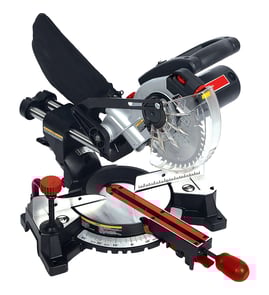
36 inches in height equals 3 feet (36 in = 3 ft). If you are measuring for a Delta 36-240 miter saw setup (bench, stand, or storage), 36 inches is a common work-surface height that keeps the saw at a comfortable cutting level for many users.
Quick conversions for 36 inches
- 36 inches = 3 feet
- 36 inches = 1 yard
- 36 inches = 91.44 cm
- 36 inches = 0.9144 m
- 36 inches = 0.9144 m = 914.4 mm
Conversion table
| Measurement | Equivalent |
|---|---|
| 36 inches | 3 feet |
| 36 inches | 1 yard |
| 36 inches | 91.44 centimeters |
| 36 inches | 0.9144 meters |
Why it matters for a miter saw workspace
A 36-inch height is often used for miter saw benches because it helps you:
- Keep the saw table near waist height for better control
- Reduce back strain during repeated cuts
- Align infeed and outfeed supports more easily
- Maintain safer hand positioning while cutting
Measuring tips (so your number is accurate)
- Measure from the floor to the top surface (bench top or stand top)
- If the saw sits on a bench, include any rubber feet or mounting base thickness
- Use a tape measure held straight; avoid measuring at an angle
- If you are matching support wings, measure to the saw table height, not the fence
For more help using our site tools to find the right parts or diagrams for your Delta 36-240, see how to enjoy all the online benefits we offer on our Sears PartsDirect.
Last updated: February 2026
What is the most reliable miter saw?
The most reliable miter saw is the one that matches your work (trim, framing, fine woodworking) and is kept in proper adjustment. For most users, a 10-inch or 12-inch sliding compound miter saw from a top-tier brand with a rigid fence, smooth rails, and easy-to-hold calibration stays accurate the longest.
What “reliable” means on a miter saw
Reliability is mostly about repeatable accuracy and durability, not just power.
- Holds bevel and miter settings without drifting
- Fence stays straight and square to the blade
- Slide mechanism stays smooth with minimal play
- Motor starts consistently and does not bog under load
- Common wear items (brushes, switch, bearings) are serviceable
Quick comparison: common types and who they fit
| Type | Best for | Reliability advantage | Tradeoff |
|---|---|---|---|
| Non-sliding compound | Trim, small stock | Fewer moving parts | Limited crosscut width |
| Sliding compound | Wider boards | Versatility | Rails need cleaning and periodic adjustment |
| Cordless sliding | Jobsite mobility | No cord strain, modern motors | Battery platform cost |
How to choose a reliable saw for your needs
Use these checkpoints when comparing models (including your Delta 36-240 miter saw):
- Cut capacity: choose 12-inch only if you need the width; 10-inch often stays “tight” longer
- Detents and locks: miter detents should snap positively; bevel lock should not creep
- Fence design: tall, rigid fence with easy squaring is a long-term win
- Dust management: better dust collection reduces rail and pivot wear
- Parts support: availability of switches, brushes, guards, and bearings matters over time
Why it matters
A “reliable” miter saw reduces rework and improves safety because the blade tracks predictably through the cut. Most accuracy complaints come from a saw being out of square, a worn pivot/slide, or a dull blade, not from the brand name.
Helpful related guide
If you’re troubleshooting power, intermittent starting, or wiring issues on a miter saw, use our guide: how to repair broken or damaged wires video.
Last updated: February 2026
Why is 31.6 on a miter saw?
The 31.6° mark on a miter saw (including the Delta 36-240) is a common preset used for cutting crown molding when you cut it as a compound miter. It helps you quickly set a repeatable angle for typical crown spring angles, instead of doing the trigonometry every time.
What the 31.6° setting is used for
On many miter saws, 31.6° miter pairs with a 33.9° bevel to create the compound angles that fit a standard 90° inside or outside corner when crown molding is installed at a common spring angle.
Common ways you will see it referenced:
- Miter: 31.6°
- Bevel: 33.9°
- Used for crown molding corners (inside and outside)
- Often built in as a detent/stop so you can hit it quickly
Quick reference: when 31.6° applies
These presets are meant for a specific crown style and install method.
| What you are cutting | Typical method | Why 31.6° shows up |
|---|---|---|
| Crown molding corners | Compound miter (miter + bevel) | Matches common crown spring angles for 90° corners |
| Crown molding corners | Nested (molding held against fence) | Usually not needed; you use miter only |
| Baseboard/trim | Flat on table | Usually not needed |
How to use it correctly (and avoid bad-fitting corners)
We recommend these checks before you commit to finish cuts:
- Confirm whether you are cutting crown flat (compound) or nested (against fence).
- Verify your crown spring angle; not all crown uses the same spring angle.
- Cut two short test pieces and dry-fit the corner before cutting long lengths.
- Make sure the saw is calibrated (miter pointer, bevel scale, and fence alignment).
- Use consistent pressure and support so the molding does not shift during the cut.
Why it matters
Crown molding is unforgiving; being off by even 1° can open up a visible gap at the ceiling or wall. The 31.6° mark is there to make a common crown-molding setup fast and repeatable, especially when you are doing multiple corners.
Related DIY help
If you are troubleshooting a saw that will not power on, trips a breaker, or has intermittent operation, electrical testing basics help a lot: how to use a multimeter to test electrical parts video.
Last updated: February 2026
What should you never cut with a miter saw?
You should never cut anything you cannot hold securely and keep flat against the fence and table on your Delta 36-240 miter saw; that includes tiny offcuts, loose round stock, and warped boards. You also should not cut metal unless you have the correct blade and the saw is set up for it.
Never cut these materials or setups
- Very small pieces that put your fingers close to the blade or can tip, lift, or get pulled into the blade
- Round stock (dowel, pipe, conduit) unless it is clamped in a proper V-block or jig so it cannot roll
- Warped, bowed, twisted, or rough lumber that cannot sit flat on the table and tight to the fence
- Freehand cuts (no clamp, no fence support, no stable workpiece contact)
- Metal with a wood-cutting blade (sparks, shattering teeth, and kickback risk)
- Stacked pieces unless they are clamped and fully supported so nothing shifts
Why these cuts are dangerous (kickback and binding)
A miter saw is safest when the workpiece stays motionless and the blade cuts without pinching. When material lifts, rolls, or shifts, the blade can bind and throw the workpiece (kickback) or pull it into the blade path.
| Situation | What typically happens | Safer approach |
|---|---|---|
| Tiny offcut near the blade | Piece gets grabbed and launched | Use a longer board, stop block, or a clamp |
| Board not flush to fence | Blade pinches and binds | Re-square the board; support it flat |
| Dowel/pipe on the table | Stock rolls into the blade | Use a V-jig and clamp securely |
| Metal with wrong blade | Tooth damage, sparks, loss of control | Use the correct blade and secure clamping |
Safer habits we recommend for the Delta 36-240
- Keep the workpiece flat on the table and tight to the fence before starting the cut
- Use a clamp whenever the piece is short, narrow, or wants to move
- Let the blade reach full speed; then cut smoothly without forcing
- Wait for the blade to stop before lifting the saw head
- Keep guards in place and keep hands out of the “no-hands” zone
Why it matters
Most miter saw injuries and damaged workpieces come from the same root cause: the material was not fully supported and secured. Preventing movement is the fastest way to prevent binding, kickback, and ruined cuts.
Related help: are diy appliance repairs safe
Last updated: February 2026