Owner’s manual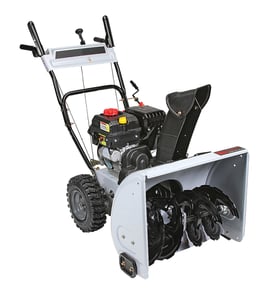



How do I tell what year my snowblower is?
For your MTD gas snowthrower model 31AM6CSG793, the most reliable way to determine the year is to locate the model plate, record the model number and serial number, then decode the serial number format used for that production run. Our owner's manual shows where to record this information for future parts and service needs.
Where to find the model and serial number
On most MTD snowblowers, the identification label is on the frame or chassis (often near the engine area or behind/near the belt cover). Once you find it, write down both numbers exactly as shown.
- Look for a sticker or metal tag labeled Model Number and Serial Number
- Clean off snow, dirt, and oil so every character is readable
- Copy the serial number carefully (letters and numbers matter)
- Take a photo before the label wears further
- Keep the numbers with your maintenance records
How to use the serial number to determine the year
MTD has used different serial number patterns over time, so the year is determined by matching your serial number format to the correct decoding method.
| What you have | What it tells you | What to do next |
|---|---|---|
| Model number (31AM6CSG793) | Identifies the snowblower design family | Use it to pull the correct parts diagrams |
| Serial number | Identifies the specific unit and build run | Decode the serial format to get the year |
| Engine model/type/code (on engine) | Often includes a manufacture date code | Use it as a cross-check for the snowblower’s age |
Quick cross-check: engine date information
If the snowblower label is missing or unreadable, the engine itself often has its own identification numbers. Those numbers can help you estimate the snowblower’s build timeframe (the machine is typically built after the engine).
Why it matters
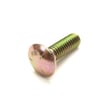
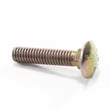
Knowing the year helps us match the correct auger parts, drive components, and hardware for your exact build, especially when a model has mid-season changes. For example, common wear and break items include shear pins like craftsman snowblower shear pin 738-04124A.
Last updated: February 2026
How much oil do I mix with gas for a snowblower?
For the MTD 31AM6CSG793 gas snowthrower, we do not mix oil with gasoline. This model uses a 4-stroke engine with separate crankcase oil; fill the engine with 20 oz (600 ml) of the correct motor oil, and fuel with fresh unleaded gasoline.
What to do for the MTD 31AM6CSG793
- Add engine oil to the crankcase (not the fuel tank): capacity is 20 oz (600 ml).
- Use 4-stroke high-detergent motor oil meeting at least API SJ (SL/SM are also acceptable).
- Do not use 2-stroke oil in the engine.
- Fuel with 87 octane unleaded (or low-lead) gasoline.
- Use gasoline up to E10 ethanol; do not use E15 or E85.
For the exact fill/check procedure and oil viscosity guidance, follow the owner's manual.
Quick reference: mix or no mix?
| Engine type | Do you mix oil with gas? | Where does oil go? |
|---|---|---|
| 2-cycle snowblower | Yes (ratio varies by engine) | Mixed into fuel can |
| 4-stroke snowblower (MTD 31AM6CSG793) | No | Separate engine crankcase |
Why it matters
Mixing oil into the gas on a 4-stroke snowblower can cause hard starting, heavy smoke, spark plug fouling, and poor performance. Running with low crankcase oil can damage the engine quickly, so checking the oil level before use is part of normal maintenance.
Fuel handling tips we recommend
- Refuel outdoors with the engine off and cool.
- Keep fuel fresh; avoid gasoline stored longer than about 30 days unless treated with stabilizer.
- Wipe up spills before starting.
- Fill to about 1/2 inch below the filler neck to allow expansion.
Last updated: February 2026
How many years should a snowblower last?
A gas snowthrower like the MTD 31AM6CSG793 typically lasts 10 to 20 years with normal residential use and consistent maintenance. The biggest life-extenders are clean fuel practices, routine inspections, and replacing wear items (like shear pins) before they cause bigger damage.
What most affects snowblower lifespan
- Maintenance consistency: oil changes, inspections, and cleaning after use
- Fuel care and storage: stale fuel is a top cause of hard-start and carburetor issues
- Snow conditions: heavy, wet, icy snow increases load on the auger and drive system
- Usage intensity: long run times and frequent storms shorten service life
- Wear parts replaced on time: shear pins, belts, bearings, and friction components
Maintenance habits that add years (especially for 31AM6CSG793)
The operator guidance for this model emphasizes safe operation and regular service. For example, the manual notes that if an air filter is present, paper elements are replaced about yearly or every 100 hours, and it also stresses proper fuel storage to prevent fuel system problems. Use the owner's manual as your schedule baseline.
- Inspect and clean the machine before and after each use
- Keep fuel fresh; use stabilizer for storage windows beyond a few weeks
- For off-season storage, run the engine out of fuel or treat fuel properly (per the manual)
- Check fasteners and controls so you can disengage drive and auger quickly
- Replace sacrificial protection parts promptly to protect the gearbox and auger
Common “end of life” symptoms vs. fixable issues
| Symptom | Most common cause | Usually fixable? |
|---|---|---|
| Auger stops when it hits packed snow | Shear pin broken | Yes (routine) |
| Poor throwing distance | Worn impeller/auger components, belt slip, clogging | Often |
| Hard starting after storage | Stale fuel, gummed carburetor | Often |
| Excess vibration or noise | Loose hardware, damaged auger, bearing wear | Often |
Parts that protect the machine (and why they matter)
A shear pin is designed to fail first when the auger jams, helping prevent expensive damage to the auger/gearbox. Keeping spares on hand is one of the simplest ways to extend lifespan.
- Recommended wear item to keep on hand: craftsman snowblower shear pin 738-04124A
Why it matters
A snowblower’s “years of life” is mostly a maintenance and storage story. Following the fuel storage and service guidance in the manual helps you avoid the most common long-term failures (fuel system issues, accelerated engine wear, and avoidable drivetrain damage).
Last updated: February 2026