 Owner’s manual
 Error Codes
How long does an AO Smith 40 gallon water heater last?
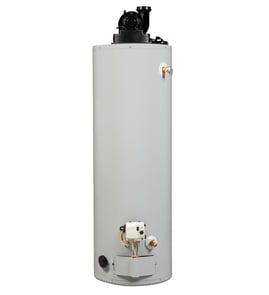
Most Ao Smith 40-gallon gas water heaters like model GCV40 last 8 to 12 years. Regular maintenance (flushing sediment, checking the anode rod, and keeping the burner area clean) helps you reach the upper end of that range.
Typical lifespan and what affects it
A water heater’s service life depends more on water conditions and maintenance than the tank size.
- Water hardness and sediment: more buildup shortens life and reduces efficiency
- Anode rod condition: a depleted anode accelerates tank corrosion
- Temperature setting: higher settings increase wear and scale
- Installation environment: damp, corrosive air and poor combustion air can cause problems
- Maintenance frequency: annual checks prevent small issues from becoming tank damage
Maintenance that extends life (high impact)
Use these as your baseline upkeep steps for a GCV40-STYLE gas tank water heater.
| Task | What it helps prevent | Typical cadence |
|---|---|---|
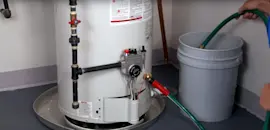
| Flush a few gallons from the drain | Sediment buildup, rumbling, slow recovery | 1 to 2 times per year |
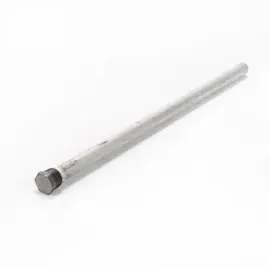
| Inspect/replace the anode rod | Tank rust-through | Check every 2 to 3 years |
| Check the temperature-pressure relief valve | Overpressure risk, nuisance leaking | 1 time per year |
| Clean the air intake screen (if equipped) | Poor combustion, shutdowns | As needed, often seasonally |
If you are planning proactive maintenance, the parts list for this model includes the anode rod 100109624 and a release valve 100108279.
Signs your water heater is near end of life
These symptoms usually show up in the last stretch of a tank’s life.
- Rust-colored hot water or metallic odor
- Water around the base of the tank
- Popping or rumbling sounds after heating
- Pilot problems that keep returning after cleaning and adjustment
- Hot water runs out faster than it used to
Why it matters
Once the tank itself starts corroding through, repairs stop being cost-effective. Replacing wear items early (especially the anode rod) is the simplest way to protect the tank and keep hot water reliable.
For model-specific maintenance and safety steps, follow the GCV40 owner's manual. For replacement parts beyond the items listed here, search by model number on Sears PartsDirect.
Last updated: February 2026
How much does it typically cost to replace a 40 gallon water heater?
Replacing a 40-gallon gas water heater like the Ao Smith GCV40 typically costs about $1,200 to $3,500 installed, depending on venting changes, code upgrades, labor rates, and whether the job is a straightforward swap or a re-pipe. Use the GCV40 owner's manual to confirm your heater’s venting and gas requirements before planning the replacement.
Typical replacement cost breakdown
These are common line items that drive the total price for a 40-gallon gas water heater replacement:
- New 40-gallon gas water heater (tank): mid-range pricing varies by efficiency and warranty tier
- Labor for removal and installation (often the biggest variable)
- New shutoff valve, flex connectors, or gas line fittings (as needed)
- Venting updates (draft hood, vent connector, chimney liner, or power vent changes)
- Expansion tank, drain pan, and discharge piping updates (when required)
- Permit and inspection fees (common in many areas)
What makes the price go up (or stay lower)
A “like-for-like” replacement is usually the lowest cost. Costs rise when the installer has to change how the system is connected.
| Situation | Typical impact on cost | Why it matters |
|---|---|---|
| Same fuel, same vent type, same location | Lower | Minimal plumbing and vent changes |
| Venting needs modification | Higher | Venting must draft correctly for safe operation |
| Gas line or shutoff needs updating | Higher | Proper gas supply and leak-free connections are critical |
| Water damage protection added (pan, drain) | Moderate | Helps prevent property damage from leaks |
Parts that are often replaced during service (not always required)
If you are repairing the Ao Smith GCV40 instead of replacing it, these model-matched parts are commonly involved in “no hot water,” pilot issues, or leak-prevention maintenance:
- Control valve 100109217 (gas control/thermostat function)
- Pilot assembly 100109253 (pilot ignition and flame sensing)
- Release valve 100108279 (temperature and pressure relief function)
- Anode rod 100109624 (tank corrosion protection)
- Drain pan 100108459 (leak containment under the heater)
Why it matters
A water heater replacement price is mostly about installation complexity and safety requirements, not just the tank. Venting, gas connections, and the temperature and pressure relief setup must be correct to keep the system operating safely and efficiently.
If you decide to repair instead of replace, you can order GCV40 parts from the parts list for this model, or search by model number on Sears PartsDirect.
Last updated: February 2026
What are the most common issues with GCV40?
The most common issues we see on the Ao Smith GCV40 gas water heater are “no hot water” (pilot will not stay lit), inconsistent water temperature, and leaking or dripping from safety or tank fittings. Many of these problems trace back to the pilot/burner system, the control valve, or normal tank corrosion protection parts.
Common symptoms and what usually causes them
- Pilot will not light or won’t stay lit: dirty or failing pilot components, weak igniter, or airflow issues at the burner area (often tied to the pilot/burner assembly).
- Water is too hot or not hot enough: thermostat/control valve out of calibration or failing.
- Not enough hot water: sediment buildup in the tank, dip tube/inlet tube issues, or thermostat setting too low.
- Water dripping from the discharge pipe: temperature/pressure relief valve opening due to overheating, high pressure, or a failing valve.
- Rusty water or sulfur smell: anode rod depleted; tank corrosion protection is reduced.
Parts that commonly fix these problems (when replacement is needed)
Use your model’s parts list to match the exact item for GCV40. These are frequent replacements:
- Pilot assembly 100109253 for pilot lighting and flame stability issues
- Control valve 100109217 (or the alternate control valve 100109219) for temperature control problems
- Release valve 100108279 for persistent dripping from the relief discharge line
- Anode rod 100109624 (and 2nd anode 100111369 if equipped) for corrosion protection and odor/rust symptoms
Quick checks we recommend before replacing parts
- Confirm the gas shutoff valve is fully open and other gas appliances work.
- Make sure the burner area and air intake screen are clean and unobstructed.
- Verify the temperature setting is appropriate (many homes use about 120°F).
- If the relief valve is dripping, check for overheating and high water pressure.
- If hot water runs out fast, flush sediment from the tank and check for inlet tube problems.
What to use as your decision guide
| Symptom | Most likely area | Common part involved |
|---|---|---|
| Pilot won’t stay lit | Pilot/burner ignition | Pilot assembly |
| Temperature swings | Gas control/thermostat | Control valve |
| Dripping from discharge pipe | Safety pressure relief | Release valve |
| Rusty water/odor | Corrosion protection | Anode rod / 2nd anode |
Why it matters
Gas water heater issues can affect safety, efficiency, and hot water availability. Addressing pilot, control, and relief-valve problems quickly helps prevent nuisance shutdowns, overheating, and avoidable tank damage.
For model-specific procedures and safety steps (including lighting instructions), follow the GCV40 owner’s manual.
Last updated: March 2026