



Is a plug or spike aerator better?
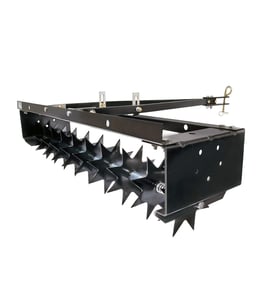
A plug (core) aerator is better for long-term lawn health because it removes soil cores to relieve compaction and improve air, water, and nutrient movement. A spike aerator is faster, but it can increase compaction by pushing soil sideways. For the Agri-Fab 45-0299 aerator attachment, we recommend core-style aeration when your main goal is decompaction.
Quick comparison
| Feature | Plug (core) aerator | Spike aerator |
|---|---|---|
| Best for compacted soil | Yes | Limited |
| What it does | Pulls soil plugs | Pokes holes |
| Lasting results | Strong | Short-term |
| Lawn surface after | Plugs on top (messy) | Cleaner look |
When each type makes sense
Choose a plug aerator when:
- Your lawn feels hard, dries out fast, or puddles after watering
- You want deeper decompaction and better root growth
- You plan to overseed or topdress and want better seed-to-soil contact
Choose a spike aerator when:
- Soil is only lightly compacted
- You need a quick, light “venting” before rain or fertilizing
- You are aerating more often and not trying to fix severe compaction
Setup and towing tips that matter
Even the best aerator will underperform if it is not tracking straight or staying at a consistent working depth.
- Make sure the hitch connection is secure and not sloppy; a worn pin can let the aerator wander
- Keep the tow point level so the aerator runs evenly across the lawn
- Replace bent or missing hardware so the frame stays square
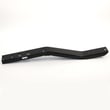
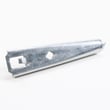
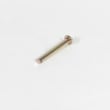
- If your hitch hardware is worn, check the lawn tractor attachment hitch pin 47623 and the lawn tractor tow bar attachment hitch bracket 23687BL1
Why it matters
Core aeration creates open channels that reduce compaction and help roots breathe; that improves drought tolerance and fertilizer efficiency. Spike aeration can look effective immediately, but it often does not solve the underlying compaction problem.
Last updated: January 2026
What is the Agri Fab 45 0299 lawn aerator?
The Agri-Fab 45-0299 lawn aerator is a tow-behind plug aerator attachment for a lawn tractor that removes small cores (plugs) of soil as you pull it across the yard. We use it to relieve soil compaction so air, water, and nutrients reach grass roots more effectively.
What it does and when to use it
A plug aerator improves turf health by opening the soil surface without tearing up the lawn.
- Pulls soil plugs to reduce compaction in high-traffic areas
- Helps water soak in instead of running off
- Improves fertilizer effectiveness by getting nutrients closer to roots
- Supports thicker grass by reducing thatch-related stress
- Works best when soil is slightly moist (not muddy, not powder-dry)
Key components you will see on the 45-0299
These parts work together to let the aerator roll, penetrate, and tow safely behind your tractor.
| Component | What it does | Example part you may replace |
|---|---|---|
| Hitch connection | Attaches aerator to the tractor drawbar | Lawn tractor tow bar attachment hitch bracket 23687BL1 |
| Tine shaft and spools | Carry the tines that pull plugs | Agri-fab lawn tractor aerator attachment tine shaft, 48-in 24626, lawn tractor aerator attachment tine spool 63929BL1 |
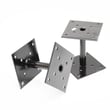
| Wheels and brackets | Support transport and rolling | Lawn & garden equipment wheel 47052, lawn tractor aerator attachment wheel bracket 63931BL1 |
Quick setup and towing checks
Before the first use (or after storage), we recommend these basic checks.
- Confirm the hitch pin is installed and secured (a missing pin can let the aerator detach)
- Tighten loose hardware and replace worn lock nuts
- Inspect the tine area for bent parts or missing spacers
- Verify the lift handle moves freely for transport position
- Make a short test pass on flat ground to confirm it tracks straight
Why it matters
Compacted soil blocks oxygen and water movement. Using a plug aerator like the Agri-Fab 45-0299 helps restore root-zone airflow and drainage, which is one of the fastest ways to improve lawn density and resilience.
Last updated: January 2026
What is the best lawn mower aerator attachment?
The best lawn mower aerator attachment is the one that matches your yard size and soil conditions, and connects securely to your tractor. For many homeowners, a tow-behind plug aerator is the best all-around choice because it pulls easily and aerates consistently across medium to large lawns.
How to choose the right aerator attachment
- Aeration style: Plug (core) aerators relieve compaction best; spike aerators are faster but can increase compaction in some soils.
- Yard size: Tow-behind units cover ground quickly; smaller lawns can use lighter attachments.
- Soil condition: Heavily compacted clay benefits most from plug aeration.
- Hitch compatibility: A stable hitch connection prevents swaying and uneven holes.
- Serviceability: Replaceable tines, shafts, and common hardware keep the attachment working season after season.
Quick comparison: plug vs spike aerator attachments
| Feature | Plug (core) aerator | Spike aerator |
|---|---|---|
| Best for compaction relief | High | Medium to low |
| Typical results | Removes soil cores | Punches holes without removing soil |
| Common use case | Most lawns, especially compacted soil | Light maintenance aeration |
Parts that matter for towing and consistent aeration (model 45-0299)
On the Agri-Fab 45-0299 aerator attachment, a solid tow connection and straight-running frame help the tines do consistent work. If your attachment wobbles, won’t track straight, or won’t stay connected, these parts are often involved:
- Lawn tractor tow bar attachment hitch bracket 23687BL1 (mounting point for the tow connection)
- Lawn tractor attachment hitch pin 47623 (secures the hitch connection)
- Lawn tractor aerator attachment tine shaft, 48-in 24626 (supports the tine assemblies)
- Lawn tractor aerator attachment tine spool 63929BL1 (holds tine components in position)
Why it matters
Choosing the right aerator attachment saves time and improves turf health. A plug aerator typically delivers better root-zone airflow and water penetration, and a secure hitch setup helps you avoid missed strips, uneven aeration, and premature wear on the tongue, wheels, and tine shaft.
Last updated: January 2026
How many passes should I make with a plug aerator?
For the Agri-Fab 45-0299 aerator attachment, we recommend 1 pass for routine annual aeration and 2 passes (in a crisscross pattern) for compacted lawns or lawns that have not been aerated in 2 or more years. Avoid over-aerating stressed turf.
Quick pass recommendations
- 1 pass: Healthy lawn, aerated within the last 12 months
- 2 passes: Noticeable compaction, heavy clay, high foot traffic, or skipped aeration for 2+ years
- 2 passes (crisscross): Best coverage when compaction is uneven
- Stop at 2: More passes can tear turf and create ruts, especially when soil is wet
How to choose the right number of passes
Use these lawn conditions to decide:
- Soil compaction: If a screwdriver is hard to push into moist soil, plan on 2 passes
- Thatch: Moderate thatch often benefits from 2 passes
- Soil moisture: Aerate when soil is moist, not soggy (wet soil can smear and plug poorly)
- Slope and bumps: Fewer passes reduces scalping and bouncing with tow-behind attachments
- Time of year: Aerate during your grass type’s active growing season so it recovers quickly
Setup tips that affect results
A plug aerator only works well if it stays stable and penetrates consistently.
- Verify the hitch connection is secure and level; replace worn hardware such as the lawn tractor tow bar attachment hitch bracket 23687BL1 if the aerator rocks or shifts.
- Use a proper hitch pin and clip so the tongue cannot pop loose; the lawn tractor attachment hitch pin 47623 is a common replacement.
- If the unit chatters or wanders, inspect the tongue and frame alignment before making a second pass.
Pass count and lawn impact (at a glance)
| Lawn condition | Passes | Pattern |
|---|---|---|
| Aerated last year, moderate traffic | 1 | Straight lines |
| Heavy clay or high traffic | 2 | Crisscross |
| Very dry or heat-stressed turf | 1 | Straight lines |
| Wet soil or soft ground | 1 | Straight lines (delay if soggy) |
Why it matters
The right number of passes balances hole density (better air, water, and nutrient movement) with turf recovery. One solid pass is usually enough; the second pass is for compaction problems, not routine maintenance.
Last updated: January 2026