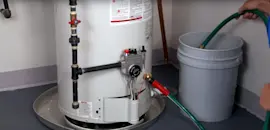
Owner’s manual
 Error Codes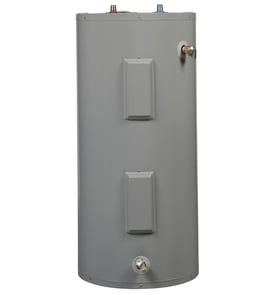



Can you replace parts on a hot water heater?
Yes. On the Ao Smith EG-1250R55DV210 electric water heater, many service parts can be replaced to restore heating and controls (for example, sensors and the control interface). We follow the safety and access steps in the EG-1250R55DV210 use & care manual before any inspection or repair.
Parts you can commonly replace (and why)
On electric water heaters like this Ao Smith model, these are typical replaceable items:
- Temperature sensors (thermistors) that report water temperature to the control
- Control module or control panel components that manage heating modes and diagnostics
- Thermostat mounting hardware and brackets
- Wiring connections and strain reliefs (when damaged or overheated)
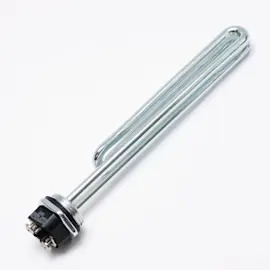
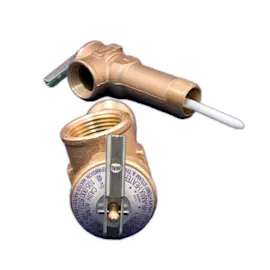
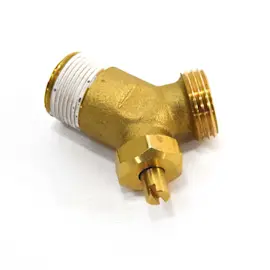
- Drain valve and T&P relief valve discharge piping components (plumbing-side service)
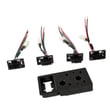
If you suspect a temperature-sensing issue, a compatible option for this model is the Ao smith water heater thermistor 100263932.
Safety steps we treat as non-negotiable
Electric water heaters combine high voltage and hot, pressurized water. Before servicing:
- Turn OFF the circuit breaker and verify power is off with a non-contact tester
- Let hot water cool down to reduce scald risk
- Shut off the cold water supply if you are opening the tank or removing a wet component
- Never energize the heater until the tank is completely full (to avoid dry-firing an element)
- Reinstall access covers and insulation after checks or repairs
Quick “repair vs replace” guide
| What you find | What it usually means | Typical next step |
|---|---|---|
| Error code, no leaks | Control or sensor issue | Diagnose, then replace the failed part |
| Slow recovery, intermittent heat | Element/control/sensor issue | Test components, replace as needed |
| Tank is leaking from the body | Tank failure | Replace the water heater |
Why it matters
Replacing a failed sensor or control part can restore safe temperature regulation and normal heating. That helps prevent no-hot-water complaints, nuisance error codes, and overheating or scald-risk conditions.
Last updated: January 2026
Do I need a 20 or 30 amp breaker for a water heater?
For the Ao Smith EG-1250R55DV210 electric water heater, the correct breaker size is the one that matches the unit’s data plate electrical rating (amps/watts) and the wiring instructions; the manual tells you to verify the breaker rating is correct for the heater before energizing it. Use the EG-1250R55DV210 use & care manual as your reference and confirm the nameplate before changing a breaker.
How we determine 20A vs 30A for this model
The manual instructs you to check the water heater’s data plate for the required voltage, wiring size (ampacity), and circuit breaker rating/type.
- Turn power OFF at the breaker before opening the junction box
- Read the data plate for voltage and wattage (or listed amps)
- If wattage is shown, calculate amps: amps = watts ÷ volts
- Size the circuit for a continuous load (commonly 125% of running amps)
- Confirm the existing wire gauge is rated for the breaker (do not upsize a breaker to “fix” trips)
Quick reference examples (general guidance)
These examples help you interpret what you see on the data plate; they are not a substitute for the EG-1250R55DV210 nameplate.
| Nameplate wattage @ 240V | Running amps | Common breaker size range |
|---|---|---|
| 3800W | 15.8A | 20A |
| 4500W | 18.8A | 25A to 30A |
| 5500W | 22.9A | 30A |
Why it matters
A breaker that is too small can nuisance-trip and leave you without hot water; a breaker that is too large can fail to protect the wiring, increasing overheating and fire risk.
When a part may be involved
If the breaker size and wiring match the data plate but you still have control or temperature problems, a sensor issue can contribute to abnormal operation. One compatible part we list for this model is the Ao smith water heater thermistor 100263932.
Last updated: January 2026
How much should a new 50 gallon water heater cost?
A new 50-gallon electric water heater like the Ao Smith EG-1250R55DV210 typically runs about $500 to $1,200 for the unit, and about $700 to $3,000+ installed. Your final price depends most on electrical/plumbing updates, location, and whether you hire a pro.
What drives the price the most
- Fuel type: gas units often cost more to install than electric
- Warranty tier and efficiency: longer warranty and higher efficiency usually cost more
- Electrical and plumbing updates: breaker, wire size, shutoff valve, expansion tank, drain pan
- Location and access: attic, tight closets, long runs, or code-required upgrades
- Haul-away and permit/inspection: common add-ons in many areas
Typical cost ranges (quick guide)
| Cost item | Typical range | Notes |
|---|---|---|
| Unit only (50-gal electric) | $500 to $1,200 | Brand and warranty drive this most |
| Labor (swap-out) | $300 to $1,500+ | Higher if access is difficult or upgrades are needed |
| Common add-ons | $50 to $600+ | Expansion tank, PRV, drain pan, valves, connectors |
Model-specific notes for EG-1250R55DV210
Our model-specific documentation focuses on safe installation steps and code-related accessories, but it does not list a retail purchase price for the Ao Smith EG-1250R55DV210. For installation expectations and what may be required in your home, use the EG-1250R55DV210 use & care manual.
Why it matters
A low quote can turn expensive if the installer later adds required items (like a thermal expansion tank or pressure reducing valve). Planning for those common upgrades helps you compare bids fairly and avoid surprises.
Last updated: January 2026
Is A. O. Smith a good electric hot water heater?
A. O. Smith is generally a good choice for an electric water heater, and the Ao Smith model EG-1250R55DV210 is designed with modern safety and control features (electronic thermostat and Energy Smart module). Like any brand, long-term satisfaction depends heavily on correct installation, water quality, and routine maintenance.
What “good” usually means for EG-1250R55DV210
We judge an electric water heater by reliability, hot water recovery, safety, and serviceability. For this model, the EG-1250R55DV210 use & care manual is the best reference for operating modes, diagnostic codes, and maintenance intervals.
Common strengths customers value:
- Consistent hot water when thermostats and elements are working correctly
- Built-in diagnostics (error codes) that speed up troubleshooting
- Energy-saving operating modes (Energy Smart, Vacation)
- Standard electric-water-heater parts support (thermistors, control components)
What affects reliability the most
Even a strong brand can have problems if the system setup is hard on the tank or controls.
Top factors that drive early failures:
- High incoming water pressure (above typical recommended ranges)
- No thermal expansion tank on closed plumbing systems
- Sediment buildup from hard water (reduces efficiency and can overheat components)
- “Dry firing” during installation (power applied before the tank is completely full)
- Loose or overheated wiring connections at the junction box
Quick maintenance checklist (practical and high impact)
From a service standpoint, these habits usually deliver the best lifespan and performance:
- Flush the tank periodically to reduce sediment
- Test the T&P relief valve on schedule
- Check for leaks at fittings and around access panels
- Keep the temperature set reasonably (many homes run around 120°F)
- If you see error codes or temperature swings, inspect the sensor circuit (for example, the Ao smith water heater thermistor 100263932)
When to repair vs. replace (simple guide)
| Situation | Usually best next step |
|---|---|
| No hot water but tank is not leaking | Diagnose controls, thermistor, elements |
| Repeated error codes after resets | Inspect wiring, sensors, control panel |
| Visible tank leak/corrosion | Replace the water heater |
Why it matters
A “good” water heater is one that stays safe and predictable. Correct pressure control, proper fill-before-power, and basic annual maintenance typically matter more than the logo on the tank.
Last updated: January 2026
Is it cheaper to repair or replace a water heater?
For the Ao Smith EG-1250R55DV210 electric water heater, it’s usually cheaper to repair when the issue is a serviceable component (controls or sensors) and the tank is not leaking. Replacement is typically the better value when the tank is leaking, heavily corroded, or repair costs approach about half the price of a new heater.
Quick decision checklist
- Repair if the tank is dry (no leak) and the problem is electrical or control-related.
- Replace if you see water under the heater and it’s coming from the tank body.
- Repair if you’re dealing with inconsistent temperature, error codes, or no-heat symptoms.
- Replace if you have repeated breakdowns plus visible rust at fittings or around access panels.
- Repair if you can restore operation with a targeted part swap and basic electrical testing.
Common “repairable” problems on this model
The EG-1250R55DV210 uses electronic controls and sensors; many no-hot-water or temperature-swing complaints trace back to those components.
Typical repair candidates include:
- Temperature sensing issues (thermistor)
- User interface or control problems (control panel assembly)
- Wiring or connection issues at the junction box (after power is off)
If you’re troubleshooting temperature sensing, start with the EG-1250R55DV210 use & care manual. If a sensor test points to failure, the compatible replacement is the Ao smith water heater thermistor 100263932.
Repair vs. replace cost comparison
| Situation | Usually cheaper | Why |
|---|---|---|
| No hot water, tank not leaking | Repair | Often a control/sensor or wiring issue |
| Error code or alert light | Repair | Diagnostics can isolate a specific component |
| Tank is leaking from the body | Replace | Tank leaks are not a practical repair |
| Multiple repairs in a short time | Replace | Reliability and downtime become the bigger cost |
Why it matters
A water heater with a sound tank can often be restored quickly and affordably by replacing a failed sensor or control. Once the tank itself leaks, money spent on parts rarely improves long-term reliability.
Last updated: January 2026
What is the life expectancy of an A. O. Smith electric water heater?
An A. O. Smith electric tank water heater like model EG-1250R55DV210 typically lasts 8 to 12 years. Regular maintenance (especially flushing sediment and checking the anode rod) helps you reach the upper end of that range; neglected tanks usually fail sooner.
What affects lifespan the most
- Water quality and sediment buildup (hard water shortens tank life)
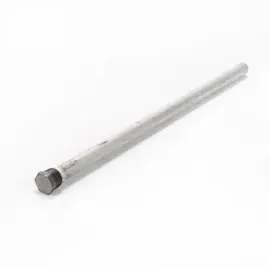
- Anode rod condition (a depleted anode speeds up tank corrosion)
- Operating temperature (higher setpoints increase stress and scale)
- Water pressure (high pressure can contribute to leaks)
- Maintenance frequency (annual checks catch issues early)
Maintenance schedule we recommend for EG-1250R55DV210
Use the maintenance guidance in the EG-1250R55DV210 use & care manual and follow a simple routine:
| Task | When to do it | What it helps prevent |
|---|---|---|
| Drain and flush the tank | After first 6 months, then at least annually | Sediment buildup, overheating, reduced efficiency |
| Inspect the anode rod | After first 6 months, then at least annually | Premature tank corrosion and leaks |
| Test the T&P relief valve | Annually | Overpressure conditions |
| Inspect T&P valve condition | Every 2 to 4 years | Valve failure or blockage |
Signs your water heater is nearing end of life
- Rust-colored water at the hot tap
- Rumbling or popping noises (heavy sediment)
- Moisture or corrosion around the tank base
- Frequent loss of hot water or slow recovery
- Repeated fault codes related to temperature sensing (a failed sensor can be addressed with the Ao smith water heater thermistor 100263932)
Why it matters
Most tank failures are sudden leaks. Knowing the typical 8 to 12 year lifespan helps you plan maintenance and replacement before water damage becomes a risk, and it can also reduce energy waste from sediment-insulated heating elements.
Last updated: January 2026
What is usually the most common water heater problem?
The most common problem we see with tank-style water heaters like the Ao Smith EG-1250R55DV210 is sediment buildup in the bottom of the tank, which causes rumbling or popping noises, slower recovery, and higher energy use. On electric models, heating or temperature-sensing issues are also frequent.
What “most common” looks like on this model
Sediment is a normal byproduct of minerals in the water settling out over time. Your EG-1250R55DV210 manual also emphasizes routine maintenance (including draining and flushing) to help prevent performance problems and premature failure; see the EG-1250R55DV210 use & care manual.
Common symptoms customers report:
- Rumbling, popping, or crackling sounds during heating
- Hot water runs out faster than it used to
- Water takes longer to heat
- Higher electric bills with no other change in usage
- Intermittent temperature swings (especially with repeated small draws)
Other frequent issues (and what they usually point to)
Even when sediment is the root cause, these issues are also common on electric water heaters:
- No hot water: tripped breaker, wiring issue, or a control problem
- Not enough hot water: temperature setting too low, heavy demand, or sensor/control issues
- Water too hot: incorrect temperature setting or thermostat/control malfunction
- Moisture or dripping: loose plumbing connections, T&P relief valve discharge, or condensation
If you suspect a temperature-sensing problem, a compatible part for this model is the Ao smith water heater thermistor 100263932.
Quick checks you can do safely
Before any inspection, shut off power at the breaker and confirm power is off.
- Listen for rumbling or popping during a heat cycle (often sediment)
- Check for visible leaks at fittings and around the drain valve
- Verify the temperature setting on the control (many are factory set around 120°F)
- If the display shows an error, use the diagnostic code chart in the manual
- If you recently installed the heater, confirm the tank was fully filled and purged before power was applied
Why it matters
Sediment acts like insulation between the heating element and the water. That makes the heater work harder, increases operating cost, and can accelerate wear on components like the electronic thermostat/controls and sensors.
| Symptom | Most likely cause | Typical next step |
|---|---|---|
| Rumbling/popping | Sediment buildup | Drain and flush tank per manual |
| No hot water | Electrical supply or control issue | Check breaker, wiring, diagnostics |
| Temperature swings | Usage pattern or sensor/control issue | Verify settings; check thermistor |
Last updated: January 2026