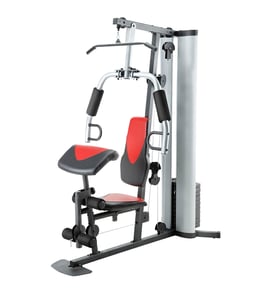

What is the difference between 7609-00-0 and other models?
For the Marcy 7609-00-0 weight system, the most meaningful “difference” versus other models usually comes down to frame design, attachments, and how the weight stack or resistance system is configured. When you compare models, we focus on fit and compatibility first so you order the right cables, pulleys, pads, or hardware.
What to compare (the items that change most)
- Resistance type: selectorized weight stack vs. plate-loaded vs. resistance bands
- Pulley and cable routing: number of pulleys, cable lengths, and anchor points
- Attachments included: lat bar, low-row bar, ankle strap, ab strap, etc.
- Frame geometry: footprint, height, and station spacing (affects range of motion)
- Upholstery and rollers: pad shape, roller diameter, and mounting style
- Hardware sizing: bolt diameter, bushing/spacer sizes, and pin styles
Quick comparison checklist
Use this table to keep the comparison practical when you are trying to match parts.
| What you’re comparing | Why it matters for parts | What to check on your unit |
|---|---|---|
| Model number and revision | Prevents ordering the wrong cable or bracket | Label/sticker and any suffixes |
| Cable length and end style | Ends must match (loop, ball, threaded) | Measure cable and note end fittings |
| Pulley diameter and bore | Affects smoothness and fit on the bolt | Pulley size and center hole |
| Weight guide/selector parts | Must match the stack design | Pin style, guide rod spacing |
Why it matters
Weight systems that look similar can use different cable lengths, pulley sizes, and mounting hardware. Matching the exact Marcy 7609-00-0 configuration helps keep the resistance smooth, the stations aligned, and the machine safe to use.
Helpful tip for identifying the right model
If your label is worn or missing, use our guide: how to find your appliance model number (and what it means for parts).
Last updated: February 2026
How heavy are the weights on Marcy 7609-00-0?
The Marcy weight system model 7609-00-0 is commonly equipped with a 150 lb total weight stack. That total is the combined weight of all selectorized plates on the machine, not the amount you lift in-hand like a dumbbell.
What “150 lb weight stack” means in real use
The number on the stack is the maximum plate weight available. Your actual resistance can feel different depending on the cable and pulley routing.
- The stack total is the sum of all plates (up to 150 lb)
- The selected pin position sets the working load
- Pulley ratios can change the “felt” resistance at the handle
- Friction, cable condition, and pulley wear can reduce smoothness and change feel
- Attachments (lat bar, ankle strap, etc.) do not change stack weight, only how you apply it
Quick reference: stack weight vs. workout resistance
| Item | What it tells you | What it does not tell you |
|---|---|---|
| Weight stack total (150 lb) | Maximum selectable plate weight | Exact resistance at the handle |
| Pin setting | The plate weight you selected | Whether pulleys double or halve the feel |
| Cable/pulley condition | How smoothly resistance transfers | The stack’s rated total |
Why it matters
Knowing the total stack weight helps you confirm you have the correct Marcy system and set realistic strength goals. If your machine feels “lighter” or “heavier” than expected, the usual cause is pulley routing, cable stretch, or worn pulleys, not missing stack weight.
If the stack seems wrong
- Count plates and confirm the top plate and guide rods are seated correctly
- Check the selector pin fits fully and isn’t bent
- Inspect cables for fraying, kinks, or slack
- Spin pulleys by hand; replace any that bind or wobble
- Verify all frame bolts are tight and the unit sits level
For help identifying the exact model number label location before ordering parts, use how to find your appliance model number (and what it means for parts).
Last updated: February 2026
Is the Marcy 7609-00-0 good for beginners?
Yes. The Marcy 7609-00-0 weight system can work well for beginners because it supports controlled, guided resistance training at home, which helps you learn form safely and progress gradually. Start light, focus on smooth reps, and adjust one setting at a time as you build consistency.
What makes it beginner-friendly
- Guided cable movement helps you stay in a safer path than many free-weight setups
- Quick exercise changes support full-body routines (push, pull, legs)
- Adjustable resistance lets you progress in small steps
- Home-gym layout encourages consistent training without a crowded gym
How we recommend starting (simple plan)
Use a conservative setup for the first 2 to 4 weeks:
- Frequency: 2 to 3 workouts per week
- Sets and reps: 1 to 3 sets of 8 to 12 reps
- Effort level: stop with 2 to 3 reps left in the tank
- Progression: add a small amount of resistance only after you can complete all reps with good form
Quick checklist before each workout
- Confirm all pins, clips, and adjustment knobs are fully seated
- Check cables for fraying and pulleys for smooth rotation
- Tighten any loose hardware you can reach safely
- Clear the area around the bench and weight stack for full range of motion
Common beginner mistakes (and the fix)
| Mistake | What to do instead |
|---|---|
| Starting too heavy | Begin light and increase gradually week to week |
| Rushing reps | Use slow, controlled motion and full range |
| Ignoring setup | Re-check seat/arm positions before each exercise |
| Training every day | Rest 24 to 48 hours between full-body sessions |
Why it matters
Beginners improve fastest when the equipment helps them repeat good movement patterns. A weight system like the Marcy 7609-00-0 supports consistent form, which reduces strain risk and makes strength gains more predictable.
For general DIY safety and tool prep that also applies to fitness equipment maintenance, see are diy appliance repairs safe.
Last updated: February 2026
