View engine




What are the most common issues with CMXGWAS021025?
The most common issues we see with the Craftsman CMXGWAS021025 gas power washer are low or surging pressure, no soap draw, water leaks at fittings, and overheating when the trigger is released too long. These problems usually trace to the water supply, nozzle, chemical pickup, or pump protection parts.
Common symptoms and what they usually mean
- Low pressure: clogged nozzle, restricted inlet screen, air in the hose, worn pump seals
- Surging pressure: partially clogged nozzle, unloader valve sticking, air leaks on inlet side
- No soap draw: wrong nozzle setting, chemical hose cracked or blocked, air leak at pickup
- Water leaking: loose quick-connects, worn O-rings, cracked hose or fittings
- Overheating or hot water dumping: thermal protection activating after long bypass time
Quick checks we recommend first
- Confirm a strong water supply (garden hose fully open; no kinks).
- Purge air: connect water, squeeze the trigger until flow is steady, then start the engine.
- Inspect and clean the nozzle tip; debris causes both low pressure and surging.
- Check the chemical pickup line for splits and clogs; replace if brittle.
- Avoid long bypass: do not leave the engine running with the trigger released for more than 1 to 2 minutes.
Parts that commonly solve these issues
| Problem | Part to check | What it does |
|---|---|---|
| No soap draw | Pressure washer chemical hose 705076 | Pulls detergent from the bottle into the pump stream |
| Hot water dumping, pump protection | Pressure washer thermal release valve 318923GS | Releases hot water when the pump overheats in bypass |
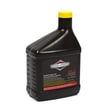
| Poor performance after service | Briggs & statton lawn & garden equipment 4-cycle engine oil, sae30, 18-oz 100005 | Helps keep the engine running smoothly under load |
Why it matters
Running with a clogged nozzle, air in the inlet, or extended bypass time makes the pump work harder and can shorten pump life. Fixing the water supply and small wear items early restores pressure and helps prevent bigger repairs.
Last updated: March 2026
What is a good PSI for a gas pressure washer?
A good PSI for a gas pressure washer depends on what you’re cleaning; for most home tasks, a Craftsman gas power washer like model CMXGWAS021025 is most useful in the 1,300 to 2,800 PSI range, with higher PSI reserved for tougher surfaces and faster rinsing.
Quick PSI guide by job
- 1,300 to 2,000 PSI: cars, patio furniture, grills, light siding rinse
- 2,000 to 2,800 PSI: decks, fences, most driveways and walkways
- 2,800 to 3,500 PSI: heavy concrete cleaning, paint prep (use extra care)
- 3,500+ PSI: pro-level work; easy to damage wood, mortar, and paint
Why PSI is only half the story
PSI is the “cutting power,” but cleaning speed also depends on GPM (gallons per minute) and nozzle choice. A lower PSI washer with better flow can clean faster than a higher PSI washer with low flow.
| Spec | What it affects | What to do |
|---|---|---|
| PSI | How hard the spray hits | Use the lowest PSI that gets the job done |
| GPM | How fast you rinse and flush dirt | Higher GPM usually cleans faster |
| Nozzle/orifice | Spray pattern and effective pressure | Match nozzle to the surface and detergent use |
Tips to choose the right pressure (and avoid damage)
- Start with a wider spray pattern and increase only as needed.
- Keep the wand moving; don’t “park” the spray in one spot.
- Increase distance from the surface if you see etching, fuzzing wood, or paint lifting.
- Use detergent through the chemical pickup when you need cleaning power without extra pressure; replace a cracked or clogged siphon line such as the pressure washer chemical hose 705076.
- If pressure fades after running a while, check for overheating protection issues; a failing pressure washer thermal release valve 318923GS can cause hot-water dumping and inconsistent performance.
Why it matters
Using the right PSI helps you clean effectively while protecting surfaces, seals, and pump components. Overshooting PSI is the fastest way to scar wood, strip paint unintentionally, or force water behind siding.
Last updated: February 2026
What kind of gas goes in a Craftsman 3000 PSI pressure washer?
For a Craftsman CMXGWAS021025 gas power washer (3000 PSI class), we use clean, fresh unleaded gasoline with a minimum 87 octane (87 AKI). Avoid old fuel and never mix oil into the gas; the engine uses separate 4-cycle oil.
What to use (and what to avoid)
- Use unleaded gasoline, 87 octane (AKI) or higher
- Buy fuel you will use within 30 days
- Use a clean fuel can to prevent dirt and water contamination
- Avoid gasoline with high ethanol content (it can cause hard starting and fuel-system issues)
- Do not use diesel, E85, or mixed 2-cycle fuel
Quick fuel guidance
| Item | Recommended | Why it matters |
|---|---|---|
| Octane | 87 AKI minimum | Helps prevent poor running under load |
| Fuel freshness | Under 30 days | Reduces varnish and carburetor clogging |
| Ethanol | Low ethanol preferred | Helps prevent swelling/cracking of fuel parts |
Why it matters
Using the right gasoline helps your pressure washer start easier, run smoother, and reduces common problems like surging, stalling, and carburetor blockage.
Related maintenance tip (oil)
This model uses a 4-cycle engine, so oil goes in the crankcase, not in the fuel tank. If you are due for an oil change, we recommend using the correct small-engine oil such as 4-cycle engine oil sae30 100005.
Last updated: February 2026