



What's better, a dethatcher or an aerator?
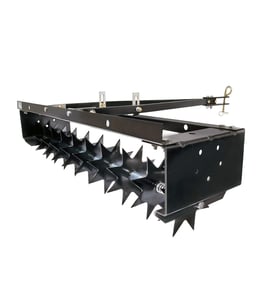
For an Agri-Fab 45-0298 40" plug aerator, an aerator is better when your lawn feels hard, water puddles, or grass struggles because it relieves soil compaction and helps air, water, and nutrients reach roots. A dethatcher is better when you have a thick thatch layer that blocks moisture.
- Choose aeration if the soil is compacted (high traffic, clay soil, runoff, puddling).
- Choose dethatching if you have a spongy layer of dead grass (thatch) that is more than about 1/2 inch thick.
- Choose both if you have compaction and heavy thatch; dethatch first, then aerate.
| Tool | Best for | What it improves | What it does not fix well |
|---|---|---|---|
| Dethatcher | Excess thatch buildup | Water penetration through thatch, seed-to-soil contact | Soil compaction below the surface |
| Plug aerator (like model 45-0298) | Compacted soil | Root oxygen, drainage, fertilizer uptake | Removing thick thatch quickly |
- Mow slightly lower than normal and remove clippings.
- Dethatch to pull up the dead layer.
- Aerate with your plug aerator.
- Overseed and topdress lightly if needed.
- Water to keep the top layer consistently moist until seed establishes.
Thatch is a surface barrier; compaction is a soil structure problem. Aeration creates openings that help roots grow deeper and makes watering and fertilizing more effective over the season.
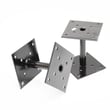
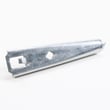
If your aerator is not penetrating well or feels loose, check wear and hardware tightness. Commonly replaced items include the lawn tractor aerator attachment tine spool 63929BL1 and the Agri-Fab lawn tractor aerator attachment knife 24924.
Last updated: February 2026
How many passes should I make with a plug aerator?
For the Agri-Fab 45-0298 40" plug aerator, we make 1 pass for routine annual aeration and 2 passes for compacted soil (the second pass at a 45 to 90 degree angle). This pattern gives thorough coverage without overworking turf.
- 1 pass: lawns aerated within the last 12 months and soil is not heavily compacted
- 2 passes: high-traffic areas, clay-heavy soil, or lawns not aerated in over a year
- Second pass direction: crosshatch the first pass (diagonal works well)
- Avoid 3+ passes: it can stress grass and create excessive disturbance
A practical goal is about 20 to 40 plugs/holes per square foot across the lawn. If you are not seeing consistent plug density, add a second pass rather than adding weight beyond what your turf can handle.
| Lawn condition | Passes | Direction | Notes |
|---|---|---|---|
| Maintained, aerated yearly | 1 | Straight lines | Fastest, least turf stress |
| Moderately compacted | 2 | Crosshatch | Best balance of results and recovery |
| Severely compacted spots | 2 (spot treat) | Crosshatch | Focus only on problem areas |
- Aerate when soil is slightly moist (not muddy); dry soil reduces penetration
- Make sure the aerator rolls freely; a damaged wheel can reduce consistent plug depth (see lawn & garden equipment wheel 47052)
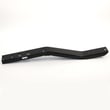
- If the aerator does not track straight, inspect the hitch connection and hardware (see lawn tractor tow bar attachment hitch bracket 23687BL1 and lawn tractor attachment hitch pin 47623)
- Replace worn tines if plugs look shallow or torn instead of cleanly pulled (see Agri-Fab lawn tractor aerator attachment knife 24924)
The right number of passes improves air, water, and nutrient movement into the root zone. Too few passes leaves compaction in place; too many passes can slow turf recovery and increase weed opportunity.
Last updated: February 2026
Can you aerate with a zero turn mower?
Yes. You can aerate with a zero-turn mower as long as your aerator attachment is compatible with the mower’s hitch style and the mower has enough traction to pull the aerator at working depth. For the Agri-Fab 45-0298 40" plug aerator, correct hitch hookup and secure hardware matter most.
- Hitch type and height: Make sure the aerator tongue sits level when connected so the tines/knives engage evenly.
- Pin size and retention: Use the correct hitch pin and a secure keeper so the aerator cannot bounce loose.
- Turning clearance: Zero-turns pivot tightly; confirm the aerator tongue and hitch bracket do not bind during sharp turns.
- Traction and turf conditions: Wet soil can cause wheel spin; very dry soil can prevent proper plug penetration.
- Added weight: If your aerator uses weight trays, add weight gradually so you do not overload the mower or tear turf.
If your current hardware is bent, missing, or loose, these common connection parts for the 45-0298 are good starting points:
| Connection point | What it does | Example part on this model |
|---|---|---|
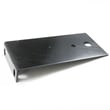
| Hitch bracket | Provides the tow mounting point | Lawn tractor tow bar attachment hitch bracket 23687BL1 |
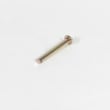
| Hitch pin | Secures aerator to mower hitch | Lawn tractor attachment hitch pin 47623 |
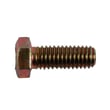
| Locking hardware | Helps prevent loosening from vibration | Agri-Fab lawn tractor attachment hex lock nut, 5/16-in 43064 |
A plug aerator like the Agri-Fab 45-0298 puts a lot of shock load into the hitch when the tines hit compacted soil. A properly sized hitch pin, a solid hitch bracket, and locking fasteners reduce slop, improve plug consistency, and help prevent damage to the tow point.
Last updated: February 2026
Is a plug aerator better than a spike?
Yes. For most lawns, a plug (core) aerator like the Agri-Fab 45-0298 40" plug aerator gives better, longer-lasting relief from soil compaction than a spike aerator because it removes soil cores instead of just pushing soil aside.
- Plug (core) aeration: pulls out small soil plugs, creating open channels for air, water, and fertilizer to reach roots.
- Spike aeration: pokes holes with solid tines; it can leave soil compressed around the hole, which limits long-term improvement.
- Best use case: plug aeration for compacted lawns; spike aeration for very light compaction or quick, shallow aeration.
| Feature | Plug (core) aerator | Spike aerator |
|---|---|---|
| Compaction relief | Strong | Mild |
| Root-zone access (air/water/nutrients) | Better | Limited |
| Risk of re-compacting soil | Low | Higher |
| Cleanup | Leaves plugs on surface | Minimal mess |
- Aerate when soil is moist, not muddy (watering the day before often helps).
- Make 2 passes in different directions on heavily compacted areas.
- Leave plugs to break down naturally; they typically disappear after mowing and watering.
- Add weight only as needed; too much weight can stress the frame and hardware.
- After aerating, overseed and fertilize so seed and nutrients drop into the holes.
Compacted soil blocks oxygen and water from reaching grass roots. Plug aeration physically removes soil, creating space for roots to expand and improving drainage, which is why it is the go-to choice for noticeable lawn improvement.
If your aerator starts rattling, won’t track straight, or the tine assemblies feel loose, check the hitch and tine hardware. Common wear or loss items include the lawn tractor attachment hitch pin 47623 and fasteners like the Agri-Fab lawn tractor attachment hex lock nut, 5/16-in 43064.
Last updated: February 2026