Error Codes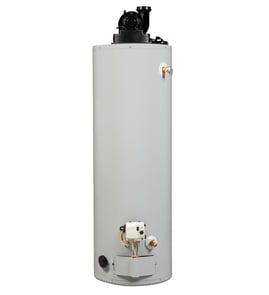



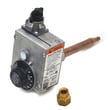

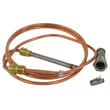

What is the life expectancy of a Rheem gas water heater?
Most Rheem gas tank water heaters like model 21V30 last 10 years. Regular flushing, stable burner operation, and prompt repair of pilot or drain leaks help you reach that full service life.
- 10 years: normal residential gas tank water heater service life
- Hard water and heavy sediment buildup shorten life by overheating the tank bottom
- Frequent high-demand use (large household, long showers) increases wear
- Small, ongoing leaks at the drain valve or fittings accelerate corrosion
| Condition | What you may notice | What to do |
|---|---|---|
| Sediment buildup | Rumbling or popping while heating | Flush a few gallons from the tank periodically |
| Combustion issues | Soot, weak flame, poor recovery | Keep burner area and air openings clear |
| Pilot won’t stay lit | Repeated shutdowns | Check/replace the thermocouple if applicable |
| Slow seep at drain | Moisture at valve | Replace the drain valve |
- Rust-tinted hot water or metallic odor
- Water pooling or dampness around the base of the tank
- Hot water runs out faster than it used to
- Increasing noise during heating cycles
- Recurring pilot outages after basic cleaning and relighting
If you are troubleshooting pilot outages or a small leak, these are common wear items to check:
- Drain valve 100108605 for seepage at the drain outlet
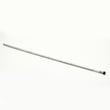
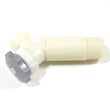
- Dip tube SP11248R if hot water turns lukewarm quickly (cold water mixing)
Once the tank’s internal lining breaks down, corrosion accelerates and leaks follow. Catching sediment, pilot, and small leak issues early helps you get the full 10-year lifespan and avoid sudden loss of hot water.
Last updated: February 2026
What is the most common problem with gas water heaters?
The most common gas water heater problem is the pilot light going out or not staying lit. On a Rheem 21V30 30-gallon power miser v gas water heater, this most often points to a weak thermocouple signal, a dirty pilot or burner, or restricted combustion air that makes the flame unstable.
- Failed thermocouple: pilot lights briefly, then shuts off when you release the pilot button.
- Dirty pilot or burner: pilot flame looks small, yellow, or flickering.
- Restricted combustion air: pilot drops out more often in tight spaces or dusty areas.
- Sediment buildup in the tank: popping or rumbling sounds, reduced hot water output.
- Gas control or thermostat problems: temperature swings or burner not cycling normally.
- Confirm the pilot flame is steady and mostly blue.
- Make sure the flame is hitting the thermocouple tip.
- Clear lint and dust from the burner area and air openings.
- If the pilot still will not stay lit after cleaning and relighting, replace the thermocouple.
If you are replacing parts, use the model’s listed drain valve 100108605 when the leak is at the drain outlet, or the dip tube SP11248R when hot water runs out unusually fast.
| Symptom | Most likely cause | Common next step |
|---|---|---|
| Pilot will not stay lit | Thermocouple weak, dirty pilot, or low air flow | Clean burner area; verify flame contact; replace thermocouple if needed |
| Hot water runs out fast | Dip tube damaged or sediment | Replace dip tube; flush tank |
| Lukewarm water at fixtures | Dip tube damaged | Replace dip tube |
| Leaking at drain outlet | Drain valve worn | Replace drain valve |
A stable pilot and a working safety circuit keep the gas valve operating consistently. When the pilot drops out, you lose hot water and repeated relighting can mask the underlying airflow or component problem.
Last updated: February 2026
Why are gas water heaters being phased out?
Gas water heaters are being phased out in some areas because air-quality and climate policies target emissions from burning natural gas, especially nitrogen oxides (NOx) and greenhouse gases. For a Rheem 21V30 gas water heater, the practical impact is planning ahead for replacement options while keeping your current unit operating safely.
Most phase-out proposals focus on reducing combustion-related pollution from common household equipment:
- NOx contributes to smog and local air-quality issues
- Greenhouse gas reduction targets encourage electrification
- Water heaters are widespread, so regional emissions add up quickly
- Many rules apply to new installations first, not existing equipment
- Building codes and incentives can accelerate change even without a full ban
In many locations, you can keep operating and repairing an existing gas water heater as long as it runs safely. The biggest changes usually show up at replacement time because venting, fuel type, and electrical requirements can differ for electric or heat pump models.
| Situation | What typically happens | What to do next |
|---|---|---|
| Unit heats normally and vents properly | Keep using it | Maintain it and plan ahead for replacement timing |
| Pilot will not stay lit | Safety controls shut gas off | Check the pilot flame and safety controls; replace worn ignition parts as needed |
| Hot water runs out faster than before | Cold water may be mixing or short-circuiting | Inspect the dip tube and consider replacing the dip tube SP11248R |
| You are replacing the heater | Local rules may limit new gas installs | Confirm local requirements before purchasing |
If your area restricts new gas installations, waiting until the tank fails can reduce your options and increase downtime. Planning early helps you compare venting changes, electrical needs for heat pump models, and installation cost.
These are common service parts listed for the Rheem 21V30:
- Dip tube SP11248R: directs incoming cold water to improve hot-water delivery
- Drain valve 100108605: helps drain the tank for flushing or service
- Thermocouple AP-6379-Q: helps the gas valve sense pilot flame on standing-pilot systems
Last updated: February 2026
Can you replace parts on a hot water heater?
Yes. On a Rheem 21V30 30-gallon power miser v gas water heater, we replace many service parts to restore operation and extend service life. If the tank itself is leaking from the shell or seams, replacing parts will not stop the leak; the water heater needs replacement.
These are common, serviceable items; several are listed for the Rheem 21V30:
- Dip tube SP11248R: sends incoming cold water to the bottom of the tank
- Drain valve 100108605: drains the tank for flushing and service
- Thermocouple: proves pilot flame so the gas valve stays open (match by model and length)
- Burner and pilot components (varies by configuration)
- Temperature and pressure relief valve (T&P valve) (match by rating)
Parts replacement is the right move when the issue is isolated to ignition, pilot stability, draining, or hot-water delivery. It is not a fix for a rusted-through tank.
| Symptom | Likely direction | What we check first |
|---|---|---|
| Pilot will not stay lit | Thermocouple or pilot issue | Thermocouple tip position and tight connection |
| Hot water runs out fast | Dip tube issue or heavy demand | Dip tube condition, incoming water temp |
| Won’t drain or drips at drain | Drain valve issue or sediment | Sediment blockage, valve outlet condition |
| Water around base of tank | Tank leak vs. plumbing leak | Water source at fittings vs. tank seam |
Gas water heater repairs involve gas, flame, and very hot water.
- Turn the gas control to OFF and let the burner area cool
- Shut off the cold water supply to the heater
- Open a hot water faucet to relieve pressure
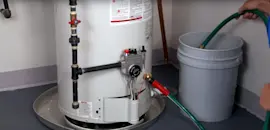
- If draining, connect a hose to the drain valve and route it to a safe drain
- Stop immediately if you smell gas; contact Sears PartsDirect support or a qualified technician
Replacing the correct part can restore safe, reliable hot water at a much lower cost than replacing the entire unit. Skipping cooldown and pressure relief increases burn risk and can damage fittings.
Last updated: February 2026