Owner’s manual
 View engine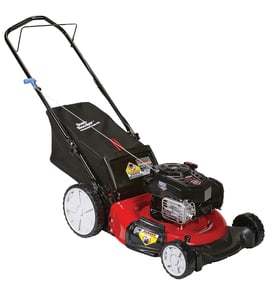




How to find Craftsman model number?
For your Craftsman walk-behind mower, the model number is typically printed on a model tag or sticker on the mower deck or frame. For this parts page, the model is 987889000; match your tag to that number before ordering parts or using diagrams in the owner's manual.
Where to look on a Craftsman walk-behind mower
Check these common locations first:
- On top of the mower deck near the engine
- On the rear of the deck near the discharge chute area
- On the frame near the handle mounting points
- Near the wheel height adjuster brackets
- Under the rear flap or near the bagger or mulching cover mounting area
What the model tag usually shows
Most tags include more than one identifier. Use the model number to find the correct parts list.
| Label item | What it’s used for | Example (yours may differ) |
|---|---|---|
| Model number | Parts lookup and diagrams | 987889000 |
| Serial number | Production run identification | Varies |
| Engine model | Engine-specific parts and tune-up info | Varies |
Why it matters for parts fit
Small differences in a mower’s build can change which blade, belt, spindle, or hardware fits. Using the exact model number helps us match the correct diagrams and parts for your 33-inch 8-hp Craftsman mower.
Quick ordering tips (to avoid wrong parts)
- Copy the model number exactly as printed (include all digits)
- Compare your mower’s deck size and features (bagging, mulching, side discharge)
- Use the exploded views in the manual and parts diagrams to confirm placement
- When replacing cutting components, verify blade length and mounting style
- Order parts from the model parts list on this page, or search by model on Sears PartsDirect
Last updated: February 2026
What are the common problems with Craftsman lawn mowers?
Common problems on the Craftsman 987889000 33-inch 8-HP walk-behind mower are no-start or runs-rough symptoms (often tied to fuel, spark plug, or airflow), poor cutting in wet or tall grass, and wheel-drive issues such as hard turning or weak drive. Our owner's manual also highlights key safety steps before any inspection.
Most common symptoms and what usually causes them
- Won’t start: old fuel, fouled spark plug, dirty air filter, or fuel delivery restriction
- Starts then dies or surges: stale fuel, carburetor varnish, partially clogged fuel path
- Poor cut or clumping: mowing wet grass, cutting too much at once, dull or damaged blade
- Hard to turn or drive feels wrong: wheel-drive control not fully disengaging, linkage out of adjustment, transaxle or drive components worn
- Overheating or power loss: debris on cooling fins or flywheel screen (airflow blocked)
Quick checks we recommend (safe, fast, and high value)
- Shut the engine off, let hot parts cool, and disconnect the spark plug wire before servicing.
- Confirm fresh gasoline and a clean fuel container (rust and dirt cause repeat problems).
- Inspect and replace the spark plug if needed; this model’s spec is Champion RJ-17LM (gap 0.030-in.).
- Check the air filter and cooling air paths for heavy debris buildup.
- For drive complaints, reduce wheel speed before turning; for tight turns, disengage wheel drive and push manually.
Mowing-related problems (and how to prevent them)
The manual’s mowing tips point to two big causes of “bad cut” complaints: mowing when the lawn is wet and cutting more than the top third of the grass.
| Problem you see | Most likely cause | What to do next |
|---|---|---|
| Clumps of grass | Wet grass | Mow when dry; clean underside after cooling |
| Ragged cut | Blade wear or heavy buildup | Inspect blade and deck; sharpen/replace as needed |
| Scalping | Cutting height too low | Raise height; take a second pass |
Parts that commonly come up during repairs
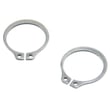
If you’re chasing a wheel-drive or drivetrain issue, small hardware and retainers matter; a worn or missing retainer can let components walk out of place. For example, check the fit and condition of the troybilt retaining ring 788078A when you’re already in that area.
Why it matters
Catching fuel quality, spark, and airflow issues early prevents repeat no-start problems and reduces strain on the engine and drive system. Following the manual’s tipping guidance (rearward only unless instructed) also helps avoid fuel and oil spills during inspection.
Last updated: February 2026
What is the average lifespan of 987889000?
The average lifespan of a Craftsman 987889000 33" 8-hp walk-behind mower is 10 years with normal residential use and routine maintenance (oil changes, blade care, and belt inspections). Consistent upkeep is what keeps the engine, drive system, and cutting deck reliable.
What affects lifespan the most
- Oil and air filtration: clean oil and a clean air filter prevent premature engine wear.
- Blade condition and balance: a bent or unbalanced blade increases vibration and spindle wear.
- Drive wear items: belts, idlers, and pulleys wear faster in dusty conditions or heavy mowing.
- Storage: dry storage reduces rust on the deck and corrosion on controls.
- Fuel practices: old fuel and varnish cause hard starting and carburetor issues.
Maintenance schedule we recommend
Use your owner's manual for the exact intervals and specifications for model 987889000.
| Task | Typical interval | Why it matters |
|---|---|---|
| Change engine oil | Every 25-50 hours or each season | Reduces internal engine wear |
| Inspect and sharpen blade | Every 20-25 hours | Improves cut quality, reduces vibration |
| Check drive belt and pulleys | Each season | Prevents slipping and loss of self-propel/drive |
| Clean underside of deck | As needed | Prevents corrosion and uneven cutting |
Parts that commonly extend mower life
If you are refreshing wear items, these are common examples for this model’s parts list:
- Replace a worn belt such as the v-belt 1769767 if you notice slipping or inconsistent drive.
- Replace a damaged blade such as the mlch bld 33 1910917001 if it is bent, cracked, or won’t balance.
- Inspect the spindle 1756595 if you hear grinding, feel excessive vibration, or see wobble at the blade.
Why it matters
A mower that reaches its full service life cuts more evenly, starts more reliably, and avoids secondary damage (for example, a bad blade can shorten spindle life). Preventive maintenance costs less than major deck or engine repairs.
Last updated: March 2026