Owner’s manual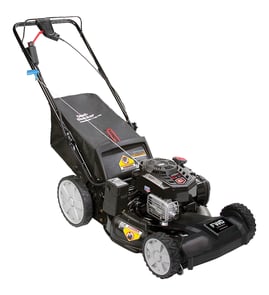



Are gas lawn mowers being phased out?
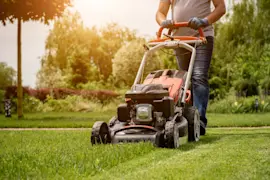
Gas walk-behind mowers like the Craftsman 24737173 are not being phased out everywhere at once; the shift is happening gradually as some states and cities restrict new sales of certain gas-powered outdoor equipment, while many areas still allow gas mowers and support parts and service. For safe operation and maintenance, follow the 24737173 operator's manual.
What to expect over the next few years
Most homeowners will see a mixed market: gas models remain common, but electric options keep expanding due to lower noise and simpler upkeep.
- Some regions restrict new gas equipment sales; existing gas mowers can still be used.
- Retailers may stock fewer gas models over time, especially in urban markets.
- Parts support typically continues for years; keeping wear items maintained helps extend mower life.
- Commercial and heavy-duty mowing often keeps gas longer because of runtime and refueling speed.
- Local rules can differ by city and county, not just by state.
How to keep a gas mower reliable (and easier to live with)
Even as the market changes, good maintenance keeps a Craftsman walk-behind mower running cleaner and starting easier.
- Use clean, fresh regular unleaded gasoline (minimum 86 octane) and avoid old fuel.
- Let the engine cool at least 2 minutes before refueling.
- Never run the engine indoors; exhaust contains carbon monoxide.
- Keep the blade sharp to reduce engine load and improve cut quality.
- Keep the deck clean to prevent grass buildup and corrosion.
Quick comparison: gas vs. electric for typical homeowners
| Feature | Gas walk-behind mower | Electric walk-behind mower |
|---|---|---|
| Runtime | Longer with refueling | Limited by battery/cord |
| Maintenance | Fuel, oil, spark plug | Mostly blade and battery care |
| Noise | Louder | Quieter |
| Storage | Fuel management needed | Battery storage/charging |
Why it matters
If your area tightens rules on new gas mower sales, the practical impact is usually on what you can buy next, not whether you can keep using your Craftsman 24737173. Staying current on fuel, blade, and safety practices helps you get the longest service life from your mower.
Last updated: January 2026
How do I find out what kind of lawn mower I have?
To identify what kind of lawn mower you have, match the brand and model number on the mower’s ID label to your paperwork. For Craftsman model 24737173, the operator documentation lists it as a 21-inch gas walk-behind lawn mower; confirm by locating the model tag and comparing it to the 24737173 operator’s manual.
Where to look for the model and serial label
On most Craftsman walk-behind mowers, the ID label is on the mower deck or frame, not on the handle.
- Check both sides of the mower deck near the rear wheels
- Look on the rear of the deck near the grass bag opening or rear door area
- Check near the engine mounting area on the deck
- If the label is dirty or faded, wipe it clean and use a flashlight at an angle to read stamped text
What to write down (and why)
Record these exactly as shown; they determine the correct parts list, blade type, and maintenance specs.
- Model number (example: 24737173)
- Serial number (unique to your mower)
- Engine model/type (often on the engine shroud; helps with spark plug and carburetor parts)
Quick ID checklist
| Item | What it tells us | Used for |
|---|---|---|
| Model number | The mower platform and deck design | Correct parts diagrams and fit |
| Serial number | Production run details | Correct revisions and substitutions |
| Engine model | The engine family | Tune-up parts and engine service |
Why it matters
Using the exact model number prevents ordering the wrong blade, wheel, or handle hardware. For example, model 24737173 uses a 21-inch deck design, and parts like the lawn mower height adjuster lever 94832 must match the correct deck and height-adjust system.
Last updated: January 2026
Should I use 87 or 93 for lawn mower?
For the Craftsman lawn mower model 24737173, use regular unleaded gasoline with a minimum of 86 octane; that means 87 octane is the right choice for normal use. 93 octane is not required and typically provides no benefit in a standard walk-behind mower engine.
What fuel to use (and what to avoid)
Use fuel that meets these basics for small engines:
- 87 octane (regular) is ideal because it meets the mower’s minimum 86 octane requirement.
- 93 octane (premium) is optional; it does not increase power or reliability in normal mowing.
- Use clean, fresh gasoline; old fuel causes hard starting and rough running.
- Never use stale or contaminated fuel or an oil/gasoline mixture.
- Fill the tank carefully and do not overfill; leave room for expansion.
For the exact fueling steps and safety notes for this model, follow the 24737173 owner’s manual.
Quick comparison: 87 vs 93 octane
| Fuel grade | Works in model 24737173? | When it makes sense | What you gain |
|---|---|---|---|
| 87 octane (regular) | Yes | Everyday mowing | Correct octane for this mower |
| 93 octane (premium) | Yes | Only if regular is unavailable | Typically nothing noticeable |
Why it matters
Using the correct octane and fresh fuel helps prevent common small-engine problems like hard starting, surging, and carburetor varnish. Fresh regular unleaded also reduces the chance of fuel-related downtime during peak mowing season.
Helpful related DIY guidance
If you are dealing with old fuel or storage issues, our steps in how to keep lawn mower gas from going bad and how to winterize a lawn mower help prevent starting problems next season.
Last updated: January 2026