Owner’s manual
 Error Codes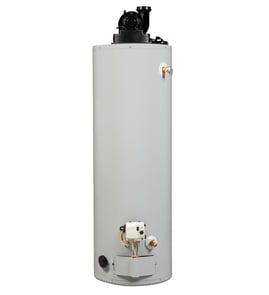



What is the average cost of a 50 gallon gas water heater?
A 50-gallon gas water heater typically costs about $600 to $1,300+ for the unit, and about $1,000 to $3,100+ installed once you include labor, venting, gas-line work, and disposal. For your American FG6130T303NO, use the FG6130T303NO owner's manual to confirm venting and gas supply requirements before budgeting installation.
What changes the price most
- Venting type: standard atmospheric vent vs. power vent (power vent costs more)
- Efficiency level: higher efficiency usually increases upfront cost
- Warranty length: longer warranty models typically cost more
- Fuel type and controls: natural gas vs. propane, and control valve style
- Installation complexity: long vent runs, tight spaces, or code-required upgrades
Typical cost ranges (what most homeowners see)
| Cost item | Typical range | Notes |
|---|---|---|
| Water heater unit (50-gal gas) | $600 to $1,300+ | Features and venting drive the spread |
| Basic installation labor | $400 to $1,200 | Varies by region and access |
| Materials and upgrades | $0 to $1,000+ | Vent pipe, shutoff valve, sediment trap, fittings |
| Total installed | $1,000 to $3,100+ | Can be higher for power vent or major rework |
Model-specific installation factors to check on FG6130T303NO
Your manual calls out items that can add cost if changes are needed:
- Gas pipe sizing: pipe diameter and total run length must support the heater’s BTU input
- Combustion air: confined spaces may require added air openings or ducting
- Location and vent routing: shorter, straighter vent runs typically cost less
- Drain pan and drainage: recommended to help protect property from leaks
Why it matters
A “cheap” heater can become expensive if the install needs vent changes, gas-line resizing, or combustion-air improvements. Confirming those requirements first helps you budget accurately and avoid repeat service calls.
Last updated: February 2026
Why are gas water heaters being phased out?
Gas water heaters are being phased out in some areas because regulators want to reduce air pollution and greenhouse-gas emissions from burning natural gas or propane in homes. For an American FG6130T303NO gas water heater, the phase-out is about local rules and incentives, not a problem with the heater itself.
What “phased out” usually means
In most places, a phase-out targets new installations over time, not immediate removal of existing units.
- New building codes may favor electric heat-pump water heaters
- Some regions restrict new gas hookups in new construction
- Air-quality agencies may propose limits on nitrogen oxides (NOx)
- Rebates and incentives can make electric replacements more attractive
- Existing gas units are often allowed to run until replacement is needed
What you should do if you own a gas water heater
If your FG6130T303NO is operating safely, focus on maintenance and safe operation.
- Follow lighting, venting, and combustion-air requirements in the FG6130T303NO owner's manual
- Keep the area clear of flammable vapors (gasoline, solvents, etc.)
- If the heater has been under water, replace the entire water heater (do not attempt to reuse gas controls)
- Use a drain pan where leakage could damage floors or ceilings
- Maintain safe venting; keep the draft hood properly installed
Safety and compliance checklist (quick reference)
| Topic | What to check | Why it matters |
|---|---|---|
| Venting | Draft hood seated and vent path unobstructed | Reduces carbon monoxide risk |
| Combustion air | Adequate airflow to the heater | Prevents poor combustion |
| Flammables | No stored fuels/solvents nearby | Reduces fire risk |
| Flood exposure | Any submersion of burner/pilot/gas controls | Requires full replacement |
Why it matters
Even when a phase-out is discussed, safe installation and operation still come first. Your manual’s guidance on ventilation, flammable-vapor safety systems, and location requirements helps protect your home while you plan for future replacement options.
Last updated: February 2026
What is the average lifespan of a gas water heater?
A tank-style gas water heater typically lasts 10 to 12 years. With consistent maintenance (especially flushing sediment and keeping corrosion protection in place), many units reach the upper end of that range. Use the maintenance schedule in the FG6130T303NO owner's manual to help maximize service life.
What affects lifespan the most
- Water quality and sediment: Hard water and heavy sediment shorten tank life.
- Maintenance frequency: Regular draining and flushing reduces overheating and corrosion.
- Anode rod condition: The anode protects the glass-lined tank from corrosion; once depleted, the tank corrodes faster.
- Water softener use: Softened water can be more corrosive and may reduce tank life.
- Operating temperature: Higher set temperatures increase stress on the tank and components.
Maintenance schedule we recommend (based on the manual)
The FG6130T303NO manual calls out these intervals:
| Task | Typical interval | Why it helps |
|---|---|---|
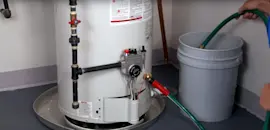
| Drain and flush the tank | Every 6 months | Removes sediment that accelerates wear |
| Inspect the anode rod | Every 3 years | Prevents tank corrosion and leaks |
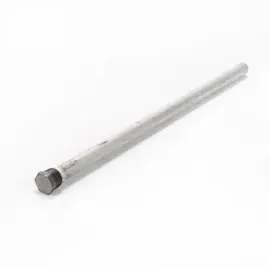
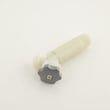
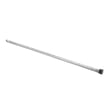
If the anode rod is more than 50% depleted, replace it. The model-specific replacement part on this page is the water heater anode rod 100109594.
Signs you are near end of life
- Rust-colored water or visible corrosion around fittings
- Frequent pilot/ignition issues or burner problems
- Rumbling or popping sounds from heavy sediment buildup
- Water leaks at the tank body (not just a valve or connection)
Why it matters
Most “water heater failures” are actually tank corrosion that started when sediment buildup and a depleted anode rod allowed the steel tank to deteriorate. Keeping up with flushing and anode inspections is the most direct way to get the full expected lifespan.
Last updated: February 2026
What is the most common problem with gas water heaters?
On the American FG6130T303NO gas water heater, the most common problems are ignition failures (pilot will not light or stay lit, burner will not ignite) and combustion or performance issues (yellow, lazy flame; insufficient hot water from sediment). Use the troubleshooting chart in the FG6130T303NO owner's manual to match your symptom to the likely cause.
Most common problems and what they usually mean
- Pilot will not light or remain lit: air in gas line, dirty pilot line or orifice, loose thermocouple connection, drafts, or a safety switch condition
- Burner will not ignite: pilot not lit, thermostat set too low, no gas, dirt in gas lines, clogged pilot or main burner line
- Yellow, lazy burner flame: insufficient secondary air, flue restriction, heater in a confined area, or burner/orifice obstruction
- Insufficient hot water: thermostat set too low, sediment or lime in tank, demand too high, or piping connection issues
Quick checks we recommend (safe, visual)
- Verify the temperature setting is appropriate.
- Make sure combustion air openings are not blocked.
- Inspect venting for obstructions, damage, or deterioration.
- Look through the viewport for a soft blue flame.
- Check for water or gas piping leaks around the heater.
Symptom-to-cause snapshot
| Symptom | Common cause | Next step |
|---|---|---|
| Pilot will not stay lit | Dirty pilot/orifice, loose connection, drafts | Follow the manual’s pilot checks and cleaning steps |
| Burner will not ignite | Pilot out, clogged lines, low setting | Confirm gas supply and thermostat setting |
| Not enough hot water | Sediment, low setting, demand | Perform maintenance steps in the manual |
Parts that often come up
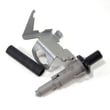
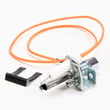
- Pilot/ignition issues: water heater pilot igniter 100110927 or water heater pilot igniter 100110936
- Dripping relief valve: replace the t&p valve 100108279 using the correct procedure
Why it matters
Ignition and airflow problems stop heating completely; sediment reduces efficiency and hot water capacity. Regular inspection of venting, burners, and piping helps keep operation stable.
Last updated: February 2026
What is the most reliable brand of gas hot water heater?
The most reliable gas water heater is the one that matches your home’s gas type, is installed to code, and is maintained on schedule. For American model FG6130T303NO, following the safety and maintenance steps in the FG6130T303NO owner's manual drives reliability more than brand alone.
What “reliable” means in real use
Reliability comes from stable combustion, correct venting, and working safety controls.
- Correct fuel type (natural gas vs LP) and correct gas piping
- Steady pilot and ignition performance
- Proper venting and draft (including the draft hood)
- Working safety devices (especially the T&P relief valve)
- Sediment control through periodic draining
- Tank corrosion protection (anode rod condition)
How to compare brands (quick checklist)
Use these factors to choose between brands and models.
| What to compare | What to look for | Why it helps reliability |
|---|---|---|
| Serviceability | Standard parts, accessible burner area | Faster, cleaner repairs |
| Safety design | Proven safety shutoffs and venting design | Fewer nuisance shutdowns |
| Parts availability | Common ignition and control parts | Less downtime |
Model-specific reliability checks for FG6130T303NO
Our manual guidance for this model focuses on items that prevent shutdowns and unsafe operation.
- Confirm the data plate gas type matches your home’s supply
- Keep the area free of flammable vapors (the Flame Lock system can permanently disable the heater after an incident)
- Verify venting is correct and unobstructed
Parts that most affect reliability on this model
If symptoms start (pilot won’t stay lit, no heat, shutdowns), these parts are common fixes.
- Water heater pilot igniter 100110927
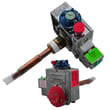
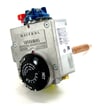
- Water heater propane gas control valve 100093749
- T&p valve 100108279
- Water heater anode rod 100109594
Why it matters
A “reliable” heater is one that runs safely and predictably; correct gas type, venting, and safety controls prevent nuisance failures and protect your home.
Last updated: February 2026