Error Codes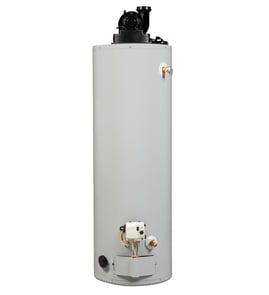

What is the average cost of a 50 gallon gas water heater?
A 50-gallon gas water heater typically costs about $600 to $1,300+ for the unit, and about $1,000 to $3,100+ installed once you include labor, venting, fittings, and any code-required upgrades. For Kenmore model 449330530, the final price depends most on vent type and efficiency.
What changes the price the most
- Venting type: atmospheric vent is usually lowest cost; power-vent/direct-vent costs more.
- Efficiency level: higher efficiency models cost more up front.
- Warranty length: longer warranty tiers usually raise the unit price.
- Gas line and shutoff condition: old valves, sediment traps, or undersized piping can add labor.
- Water connections: replacing corroded nipples, adding dielectric unions, or new flex lines adds cost.
- Local code items: expansion tank, drain pan, seismic straps, or vent connector updates.
Typical cost ranges (unit vs. installed)
| Scenario | Unit cost (typical) | Installed cost (typical) |
|---|---|---|
| Basic 50-gal atmospheric vent | $600 to $900 | $1,000 to $2,000 |
| Mid-tier (better warranty/efficiency) | $900 to $1,300 | $1,600 to $2,600 |
| Power-vent or more complex venting | $1,200 to $2,000+ | $2,200 to $3,100+ |
How to estimate your installed price quickly
- Identify your vent type (metal flue up a chimney vs. fan-assisted vent pipe).
- Check if you need a permit/inspection in your area.
- Look at the current heater for add-ons like an expansion tank or drain pan.
- Plan for small parts and materials (connectors, valves, pipe dope, vent pieces).
Why it matters
A “50-gallon gas water heater” price can look similar at first, but installation details (especially venting and code upgrades) often drive the biggest difference between a low quote and a high quote.
For help confirming the exact model before pricing parts or replacements, use how to find your appliance model number (and what it means for parts).
Last updated: February 2026
How to check a water heater model?
To check your water heater model, find the rating label on the tank and match the model number printed there to your appliance records. For this Kenmore water heater, the model you are viewing is 449330530; using the exact model number helps ensure correct parts and service information.
Where to find the model number on the heater
Most tank-style gas water heaters have a rating label (data plate) on the outside of the tank. Check these common spots:
- On the side of the tank, near the middle or upper third
- Near the gas control valve/thermostat area
- Near the bottom access area (around the burner compartment door)
- On the back side of the tank (use a flashlight)
- On an attached paper tag or foil sticker with capacity and fuel type
What to write down (and why)
When you locate the label, record these items exactly as shown:
- Model number (example: 449330530)
- Serial number (helps identify production run and age)
- Fuel type (natural gas vs. propane/LP)
- Tank capacity (gallons)
- Input rating (BTU for gas models)
Quick checklist: gas vs. electric identification
| What you see | Usually means |
|---|---|
| Gas control valve with a temperature knob and gas line | Gas water heater |
| Vent pipe/draft hood on top | Gas water heater |
| Two rectangular access panels on the tank side | Electric water heater |
Why it matters for parts and troubleshooting
Kenmore water heaters often have multiple versions that look similar. Using the exact model number helps us match the correct gas valve, thermocouple, burner components, and other water heater parts for safe, reliable operation.
Helpful related DIY reading
If the label is missing or hard to read, use our guide to confirm the correct model number format and where to look: how to find your appliance model number (and what it means for parts).
Last updated: February 2026
How to identify a gas water heater?
A gas water heater (including Kenmore model 449330530) is identified by a gas burner and venting system: you will see a flue/vent pipe on top and a gas supply line with a shutoff valve feeding the control valve. Electric models do not have a vent pipe or burner.
Quick visual checks (most reliable)
- Look for a metal vent/flue pipe coming off the top of the tank and heading into a chimney or wall vent.
- Find the gas line: usually a black iron pipe or flexible gas connector going into the gas control valve.
- Check the burner area: a gas unit has a burner compartment near the bottom (often behind a small access panel).
- Look for a pilot/igniter and control knob on the gas control valve (temperature and lighting controls).
- No large electrical junction box on top: gas units may have a small power cord (for blower/ignition) but not the same wiring setup as electric elements.
Gas vs. electric: what you will see
| Feature | Gas water heater | Electric water heater |
|---|---|---|
| Vent pipe on top | Yes | No |
| Fuel supply | Gas line + shutoff valve | Heavy electrical cable/conduit |
| Heating method | Burner at bottom | Two heating elements (upper/lower) |
| Access panels on tank side | Usually none (or small burner access) | Usually 2 rectangular element panels |
Safety checks before you inspect
- If you smell gas, do not operate switches or create sparks; leave the area and contact a qualified technician.
- Keep the area around the heater clear; do not remove sealed combustion covers.
- If you need to move panels or test anything, shut off the gas at the shutoff valve first.
Why it matters
Correctly identifying gas vs. electric determines the right troubleshooting path and parts category (gas control valve, thermocouple, burner components, venting) and helps prevent unsafe service steps.
For more DIY safety basics before working around appliances, use our guide: are diy appliance repairs safe.
Last updated: February 2026
What's the average life expectancy of a gas water heater?
A typical tank-style gas water heater lasts 8 to 12 years. For a Kenmore 449330530 gas water heater, regular maintenance (especially flushing sediment and checking the venting and burner area) is what most often determines whether it reaches the high end of that range.
Typical lifespan and what changes it
Most homeowners see replacement become likely in the 8 to 12 year window, but these factors move the needle:
- Water quality (hard water and heavy sediment shorten tank life)
- Maintenance (annual flushing and anode rod checks extend life)
- Temperature setting (higher temps increase wear and scale)
- Usage level (large households cycle the heater more)
- Installation quality (proper venting and gas supply help reliability)
Quick “repair vs replace” guide
Use this as a practical rule of thumb when deciding what to do next.
| What you’re seeing | Most common cause | What we recommend |
|---|---|---|
| Age under ~8 years and performance issues | Burner/thermostat/controls, sediment | Diagnose and repair if the tank is sound |
| Age 8 to 12 years with recurring issues | Multiple components aging | Compare repair cost vs replacement |
| Any age with water leaking from the tank body | Tank corrosion or failed tank weld | Replace the water heater |
Maintenance that most extends life
These steps help reduce corrosion and sediment damage:
- Flush the tank at least yearly (more often with hard water)
- Test the temperature and pressure relief (TPR) valve periodically
- Inspect the burner area for dust, lint, or soot buildup
- Check venting for secure connections and proper draft
- Keep temperature reasonable (many homes run best around 120°F)
Why it matters
Once a gas water heater tank starts corroding internally, efficiency drops and failure risk rises quickly. Staying ahead of sediment and corrosion is the simplest way to get the full expected lifespan and avoid surprise downtime.
For general DIY readiness and safe repair habits, we recommend reviewing are diy appliance repairs safe.
Last updated: February 2026
What is the most common problem with gas water heaters?
The most common gas water heater problem is no hot water or not enough hot water, usually caused by a pilot light that will not stay lit, a failing gas control/thermostat, or restricted airflow and combustion. On Kenmore model 449330530, start with safe basic checks before replacing parts.
Most common symptoms and what they usually mean
- Water is lukewarm: thermostat setting too low, sediment reducing heat transfer, or undersized heater for demand
- No hot water: pilot out, gas supply issue, or gas control/thermostat problem
- Pilot will not stay lit: dirty pilot/combustion area, weak thermocouple-type flame sensing, or venting/airflow problems
- Rumbling or popping noises: sediment buildup in the tank
- Water around the heater: leaking valve/connection, or tank leak (tank leaks typically mean replacement)
Quick checks we recommend first (safe, no disassembly)
- Confirm gas is on at the shutoff valve.
- Check the thermostat temperature (many homes run best around 120°F).
- Look for airflow and venting issues: blocked intake openings, lint/dust buildup, or a loose/damaged vent connector.
- Note any odor of gas: stop and contact a qualified technician.
- Listen for sediment noise and plan a tank flush if rumbling is present.
Troubleshooting guide by symptom
| Symptom | Most likely cause | Best next step |
|---|---|---|
| No hot water | Pilot out, gas control issue | Relight per lighting instructions; if it will not stay lit, schedule service |
| Not enough hot water | Thermostat setting, sediment | Adjust temp; flush tank |
| Pilot keeps going out | Dirty pilot area, venting, flame sensing | Clean combustion area; verify venting; service if recurring |
| Rumbling/popping | Sediment | Flush tank; consider anode inspection during service |
Why it matters
Gas water heater issues often start small (pilot dropouts, sediment noise) and turn into bigger problems like inconsistent hot water, higher gas use, or premature tank failure. Catching the cause early protects comfort and the heater.
Helpful DIY reading
For general repair readiness and safety basics, use our guide: are diy appliance repairs safe.
Last updated: February 2026