- Kenmore refrigerator water filters
- Whirlpool refrigerator water filters
- Samsung refrigerator water filters
- GE refrigerator water filters
- LG refrigerator water filters
- Frigidaire refrigerator water filters
- KitchenAid refrigerator water filters
- Maytag refrigerator water filters
- Kenmore Elite refrigerator water filters
- Estate refrigerator water filters
- GE Profile refrigerator water filters
- Amana refrigerator water filters
- Bosch refrigerator water filters
- Dacor refrigerator water filters
- Electrolux refrigerator water filters
Top DIY repair help
View All Repair Categories
Appliances
Lawn & Garden
Power Tools
Home Improvement
Sports & Leisure
Heating & Cooling

Kenmore Elite 721 model electric range
These error code explanations help troubleshoot a problem for a Kenmore Elite electric range with a model number that starts with 721. When your range isn't heating, you may see an error code in the display. The control only displays F3, F9 and F19 error codes in the regular operation mode. If you don't see a code during a range malfunction, press Clear, and then press and hold Lower Bake and Lower Broil keys for 3 seconds. If the range has a failure that generated an error code other than ones shown above, you'll see that code appear. After noting the error code, press Lower Stop to clear the display. The error code will likely point you in the direction of the range failure. Find the error code in the chart below and repair the failure. For repair how-to help, visit the PartsDirect repair help section, which includes repair help for refrigerators, other major appliances, lawn and garden equipment, garage door openers, vacuum cleaners and more. Search for your model number to find a complete list of replacement parts for your range.
Error Codes
Error Code
F1, F2 or F8
Condition
Defective upper oven temperature sensor
Check / Repair
Unplug the range and measure the resistance of the upper oven temperature sensor. You should measure 1,090 ohms at room temperature (77 degrees F). If resistance is off by more than 100 ohms, replace the upper oven temperature sensor.
Possible Parts Required
Upper oven temperature sensor
Error Code
F3
Condition
Stuck key
Check / Repair
The code displays on the affected control display (oven or cooktop control display). For the cooktop control, unplug the range and check the ribbon wire connection between the control panel and the cooktop control board. If the F3 appears on the oven control, unplug the range and check the control panel ribbon wire connection on the oven control board. Reconnect the ribbon wire to the affected control if loose. If the ribbon wire connection is okay, press all keys on the affected control from different angles to free up the stuck key. Reassemble the range and plug it back in to restore power. If the code resumes, try this test. Unplug the range and disconnect the ribbon wire from the affected control. Reassemble the range and plug it back in to restore power. If the code appears with the ribbon wire unplugged, replace the affected control board because it's detecting a stuck key with the control panel unplugged. If the code doesn't appear with the ribbon wire unplugged, replace the control panel.
Possible Parts Required
Control panel, oven control board, cooktop control board
Error Code
F4, F5 or F18
Condition
Defective lower oven temperature sensor
Check / Repair
Unplug the range and measure the resistance of the lower oven temperature sensor. You should measure 1,090 ohms at room temperature (77 degrees F). If resistance is off by more than 100 ohms, replace the lower oven temperature sensor.
Possible Parts Required
Lower oven temperature sensor
Error Code
F6
Condition
Upper oven too hot
Check / Repair
The control senses upper oven temperature above 650 degrees F in bake or broil modes. Unplug the range. If the code appears when the oven is at room temperature, measure the resistance of the upper oven temperature sensor. You should measure 1,090 ohms at room temperature (77 degrees F). If resistance is off by more than 100 ohms, replace the upper oven temperature sensor. If the oven is overheating when the code appears, then you'll likely need to replace the oven control board because a stuck relay on the control board is causing the overheating.
Possible Parts Required
Upper oven temperature sensor, oven control board
Error Code
F9
Condition
Upper oven not heating
Check / Repair
A voltage supply problem could prevent all elements in the range from heating. See if the lower oven elements and surface burners heat. If no elements heat, check the house circuit breakers because the range may be getting only 120 volts instead of the 240 volts needed to power the heating elements. Reset both circuit breakers for the range because it's often difficult to tell whether a breaker tripped. If the range elements don't heat after resetting the breakers, unplug the range and check the power cord wire connections on the terminal block. Reconnect any loose wires. Replace the power cord if you find damage. If you find no problems with the power cord or circuit breakers, then you'll likely need to have a service technician diagnose and repair the problem because the technician will need to perform live voltage checks that are dangerous if not performed correctly. If only the upper oven elements won't heat, unplug the range and check the wire harness connections between the upper bake element and the relay control board. Reconnect any loose wires and repair any broken wires. Measure the resistance of the upper bake element using a multimeter. You should measure near 27 ohms of resistance through the upper bake element. Replace the bake element if you measure infinite resistance. If the upper bake element is okay and you find no wiring problems, check the resistance of the upper oven temperature sensor. You should measure 1090 ohms at room temperature (77 degrees F). If resistance is off by more than 100 ohms, replace the upper oven temperature sensor.
Possible Parts Required
Upper oven bake element, power cord, upper oven temperature sensor
Error Code
F10
Condition
Upper oven door lock failure
Check / Repair
Unplug the range and check the wire harness connections between the upper oven door lock motor and the relay control board. Reconnect any loose wires and repair any broken wires. Check the wire harness connections between the door lock switches and the oven control board. Reconnect any loose wires and repair any broken wires. Measure the resistance of the upper oven door lock motor using a multimeter. You should measure about 2,600 ohms. Replace the upper oven door lock assembly if you measure infinite resistance.
Possible Parts Required
Upper oven door lock
Error Code
F11
Condition
Communications error between the oven control board and cooktop control board
Check / Repair
Unplug the range and check the wire harness connection between the oven control board and cooktop control board. Reconnect any loose wires and repair any broken wires. If the wire connections are okay, reset the oven control board by pressing Lower Stop, holding down the Lower Bake and Lower Broil keys for 3 seconds, pressing Lower Stop, then pressing and holding Lower Bake and Lower Broil again for 3 seconds. If the code returns, replace the oven control board then reset the oven control board using the above procedure. If the code returns again, replace the cooktop control board and reset the oven control using the above procedure.
Possible Parts Required
Oven control board, cooktop control board
Error Code
F16
Condition
Lower oven too hot
Check / Repair
The control senses lower oven temperature above 650 degrees F in bake or broil modes. Unplug the range. If the code appears when the oven is at room temperature, measure the resistance of the lower oven temperature sensor. You should measure 1,090 ohms at room temperature (77 degrees F). If resistance is off by more than 100 ohms, replace the lower oven temperature sensor. If the oven is overheating when the code appears, then you'll likely need to replace the oven control board because a stuck relay on the control board is causing the overheating.
Possible Parts Required
Lower oven temperature sensor, oven control board
Error Code
F19
Condition
Lower oven not heating
Check / Repair
A voltage supply problem could prevent all elements in the range from heating. See if the upper oven elements and surface burners heat. If no elements heat, check the house circuit breakers because the range may be getting only 120 volts instead of 240 volts. Reset both circuit breakers for the range because it's often difficult to tell whether a breaker tripped. If the range elements don't heat after resetting the breakers, unplug the range and check the power cord wire connections on the terminal block. Reconnect any loose wires. Replace the power cord if you find it damaged. If you find no problems with the power cord or circuit breakers, then you'll likely need to have a service technician diagnose and repair the problem because the technician will need to perform live voltage checks that are dangerous if not performed correctly. If only the lower oven elements won't heat, unplug the range and check the wire harness connections between the lower bake element and the relay control board. Reconnect any loose wires and repair any broken wires. Measure the resistance of the lower bake element using a multimeter. You should measure near 22 ohms of resistance through the lower bake element. Replace the bake element if you measure infinite resistance. If the lower bake element is okay and you find no wiring problems, check the resistance of the lower oven temperature sensor. You should measure 1,090 ohms at room temperature (77 degrees F). If resistance is off by more than 100 ohms, replace the lower oven temperature sensor.
Possible Parts Required
Lower oven bake element, power cord, lower oven temperature sensor
Error Code
F20
Condition
Lower oven door lock failure
Check / Repair
Unplug the range and check the wire harness connections between the lower oven door lock motor and the relay control board. Reconnect any loose wires and repair any broken wires. Check the wire harness connections between the door lock switches and the oven control board. Reconnect any loose wires and repair any broken wires. Measure the resistance of the lower oven door lock motor using a multimeter. You should measure about 2,600 ohms. Replace the lower oven door lock assembly if you measure infinite resistance.
Possible Parts Required
Lower oven door lock

Most common symptoms to help you fix your ranges
Choose a symptom to see related range repairs.
Main causes: power supply failure, blown thermal fuse, bad relay control board, damaged terminal block, wiring failure...
Main causes: broken broiler element, weak or broken broil burner igniter, control system failure, faulty temperature sen...
Main causes: power supply problem, control thermostat or electronic control board failure, broken element, bad burner ig...
Main causes: broken oven door lock assembly, wiring failure, electronic control board problem...
Main causes: faulty temperature sensor, electronic control board problem, control thermostat failure, weak burner ignite...
Main causes: bad bake element, broken burner igniter, control system failure, blown thermal fuse, faulty temperature sen...
Main causes: food splatters, spilling food on the oven door, allowing liquid to drip through oven door vent when cleanin...
Most common repair guides to help fix your ranges
These step-by-step repair guides will help you safely fix what’s broken on your range.
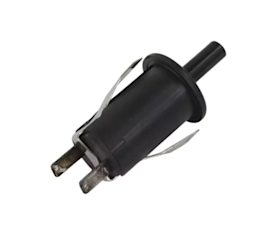
How to replace a range oven door switch
The oven door switch detects whether the oven door is closed and helps control the oven light. Replace the switch if it ...
Repair time and Difficulty
30 minutes or less
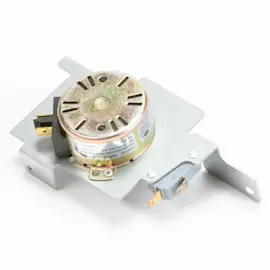
How to replace a range oven door lock assembly
Oven door not locking? You can replace the lock assembly in less than 30 minutes. Here's how....
Repair time and Difficulty
15 minutes or less
Effective articles & videos to help repair your ranges
Use the advice and tips in these articles and videos to get the most out of your range.

You might be surprised by these 4 tips for using your oven better....

If your oven consistently undercooks or overcooks, it might need recalibration. You can reset it yourself....

Take our quiz to see how well you treat your appliances. Then, find out what you can do to help them last longer....