- Kenmore refrigerator water filters
- Whirlpool refrigerator water filters
- Samsung refrigerator water filters
- GE refrigerator water filters
- LG refrigerator water filters
- Frigidaire refrigerator water filters
- KitchenAid refrigerator water filters
- Maytag refrigerator water filters
- Kenmore Elite refrigerator water filters
- Estate refrigerator water filters
- GE Profile refrigerator water filters
- Amana refrigerator water filters
- Bosch refrigerator water filters
- Dacor refrigerator water filters
- Electrolux refrigerator water filters
Top DIY repair help
View All Repair Categories
Appliances
Lawn & Garden
Power Tools
Home Improvement
Sports & Leisure
Heating & Cooling
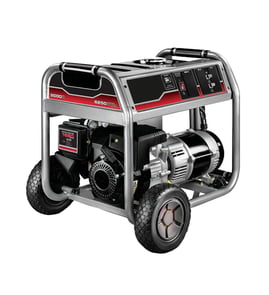
Niagara Generator Parts — Browse All Models
Niagara generators are known for their rugged dependability and top performance. Engines used in Niagara generators rarely break down but you can never tell when a failure will occur. When your Niagara generator isn't working, trust Sears PartsDirect to have the replacement parts you need to fix the generator.

Frequently bought Niagara parts

Screw
Part #24489
Replaced by #G074908
Manufacturer substitution
This part replaces 24489. Substitute parts can look different from the original.
In Stock
$26.40

Qty

Hex Nut
Part #22259
Replaced by #G022259
Manufacturer substitution
This part replaces 22259. Substitute parts can look different from the original.
In Stock
$26.24
Qty
Hex Nut
Part #22127
Replaced by #G022127
Manufacturer substitution
This part replaces 22127. Substitute parts can look different from the original.
In Stock
$34.28
Qty
Lock Washer
Part #22097
Replaced by #G022097
Manufacturer substitution
This part replaces 22097. Substitute parts can look different from the original.
In Stock
$34.28
Qty
Washer
Part #50190
Replaced by #G050190
Manufacturer substitution
This part replaces 50190. Substitute parts can look different from the original.
In Stock
$34.28
Qty
Outlet
Part #43482
Replaced by #68867GS
Manufacturer substitution
This part replaces 43482. Substitute parts can look different from the original.
In Stock
$70.33
Qty
Popular maintenance items for Generators
Briggs & Stratton Lawn & Garden Equipment Engine Fuel Filter (white)
In Stock
$7.00
13% OFF Phone Price : $8.00
Qty

Briggs & Stratton Lawn & Garden Equipment Engine Air Filter
In Stock
$23.81
20% OFF Phone Price : $29.81
Qty
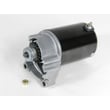
Briggs & Stratton Lawn & Garden Equipment Engine Starter Motor
In Stock
$135.89
8% OFF Phone Price : $147.89
Qty
Briggs & Stratton Lawn And Garden Equipment Engine Starter Pinion Gear
In Stock
$9.04
10% OFF Phone Price : $10.04
Qty

Briggs & Statton Lawn & Garden Equipment Engine Air Filter
In Stock
$9.90
9% OFF Phone Price : $10.90
Qty
Lawn & Garden Equipment Engine Spark Plug
Part #RC12YC
Replaced by #268-5927
Manufacturer substitution
This part replaces RC12YC. Substitute parts can look different from the original.
In Stock
$31.77
Qty
How to troubleshoot your Niagara generator when the engine won't start
When you can’t start your generator's engine, make sure the tank has fuel and that the fuel is fresh; stale fuel can become watery and won’t ignite well. Tune up the engine to give it the best chance of starting. Check the spark plug and replace it if it’s covered with oil or other deposits.
If your generator uses a battery, charge or replace the battery if it won’t power the starter to spin the engine. If you have to pull the starter rope to start the engine, replace the recoil starter if it doesn’t spin the engine when you pull the rope. Replace the starter rope if it’s broken.
Some generator engines have a low oil level switch that prevents the engine from starting and running if the engine's oil is low. Check engine oil level and add oil if needed.
Test the ignition system using a spark plug tester. Replace the safety switch or the ignition coil if the spark plug isn’t getting current through the ignition system.
Carburetor problems often prevent your generator's engine from starting. Replace or rebuild the carburetor if it’s clogged.
Check your owner's manual for additional troubleshooting tips to help you get the engine started.
Replacing the spark plug in your Niagara generator's engine
- When the engine is cool, disconnect the spark plug wire from the spark plug.
- Use a spark plug wrench to loosen and remove the spark plug.
- Use a spark plug gap tool to set the gap between the center electrode and the ground electrode. The gap specifications for your model are in the owners manual.
- Thread the spark plug into the engine. Then tighten the spark plug with a spark plug wrench. Reconnect the spark plug wire.
Parts & More
Chest Freezer
Dishwasher
Front-Engine Lawn Tractor
Gas Line Trimmer
Gas Walk-Behind Mower
Humidifier
Lawn & Garden Engine
Parts
Rear-Engine Riding Mower
Side-By-Side Refrigerator
Upright Vacuum
Wet/Dry Vacuum