
What is the cost to replace a furnace part?
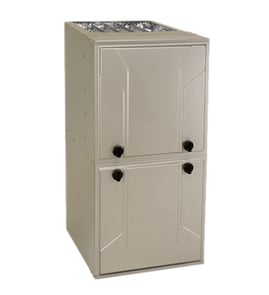
For a Cozy 90N65 gas floor furnace, the cost to replace a furnace part depends on which component failed and whether you do the work yourself or hire a technician. Most repairs land in a parts cost range of about $20 to $400+, while labor often adds $150 to $600+ depending on access and diagnosis time.
These are common price ranges for gas furnace components; your exact total depends on the Cozy 90N65 configuration and the specific part needed.
- Igniter or flame sensor: $15 to $80
- Thermocouple or pilot components (standing pilot systems): $10 to $60
- Gas valve: $150 to $400+
- Limit switch or rollout switch: $15 to $60
- Blower motor (if equipped): $150 to $500+
- Control board (if equipped): $120 to $350+
Even when the part is inexpensive, the total bill can rise quickly because diagnosis and safe gas testing take time.
| Cost item | Typical range | What it covers |
|---|---|---|
| Service call / diagnostic | $75 to $200 | Troubleshooting, basic testing |
| Labor (repair time) | $75 to $150 per hour | Removal, install, setup |
| Total installed repair (common) | $200 to $1,000+ | Part + labor + verification |
Use this quick process to avoid ordering the wrong furnace part.
- Confirm the model is 90N65 on the rating plate.
- Identify the symptom (no heat, pilot will not stay lit, blower will not run, short cycling).
- Do basic electrical checks (power, fuse, thermostat call for heat).
- Inspect and clean simple items first (flame sensor, burner area, loose wiring).
- Price the likely parts, then add a realistic labor allowance if you are hiring the job out.
A good starting point for safe testing steps is our how to use a multimeter to test electrical parts video.
Furnace repairs are a safety-critical mix of gas, flame, and electrical systems. Correct diagnosis prevents repeat failures, avoids unnecessary parts purchases, and helps ensure proper ignition and shutdown operation after the repair.
Last updated: February 2026
What is the most common part to fail on a furnace?
On a Cozy 90N65 gas floor furnace, the most common “failure” is usually a maintenance-related issue: a clogged air filter restricting airflow or a dirty flame sensor that cannot prove flame. After that, ignition components, thermostat issues, and safety switches are the most frequent causes of no-heat calls.
- Air filter: Restricted airflow overheats the furnace and triggers a safety shutdown.
- Flame sensor: If it is dirty, the control shuts the gas valve because flame is not proven.
- Ignition system: Hot surface igniter, spark igniter, or pilot components can wear out.
- Thermostat or low-voltage wiring: A bad thermostat or loose connection stops the call for heat.
- Limit switch/rollout switch: Trips when temperatures get too high or when flame/heat is not contained properly.
On Cozy 90N65 units, the high-limit safety is set to trip at 180°F. If airflow is restricted (dirty filter, blocked return, closed registers), the furnace can hit that limit and shut down even though the burners and gas valve are fine.
- Set thermostat to HEAT and raise the setpoint 5 to 10 degrees.
- Replace the air filter (most homes need this every 1 to 3 months during heating season).
- Make sure supply registers are open and the return-air path is not blocked.
- If burners light then shut off quickly, clean the flame sensor and retry.
- If the furnace is completely dead, check for a tripped breaker or blown fuse.
For safe electrical diagnosis, use a meter and follow proper testing practices; how to use a multimeter to test electrical parts video walks through the basics.
| What you notice | What it usually points to | What to do next |
|---|---|---|
| Burners light, then shut off in seconds | Flame sensor issue | Clean flame sensor, check grounding |
| Starts, then shuts down and retries | Overheating (often airflow) | Replace filter, open airflow, check 180°F limit trips |
| Blower runs, no ignition | Ignition/proving problem | Check igniter/pilot components, flame sensor |
| Completely dead | Power, fuse, thermostat | Check breaker/fuse, thermostat wiring |
Most “failed parts” symptoms are actually the furnace doing its job: shutting down on safety. Fixing airflow and flame-sensing issues early reduces nuisance lockouts and prevents repeated high-temperature trips.
Last updated: February 2026
What is the most expensive part to fix on a furnace?
On a Cozy 90N65 gas floor furnace, the most expensive repair is the one that requires the most labor and safety verification; in practice, that is usually a major combustion or heat-transfer component (such as the heat exchanger area) or a full burner and gas-train rebuild. Electrical fixes are often less costly.
Total cost is parts plus diagnosis, disassembly, reassembly, and combustion safety checks.
- Heat exchanger or combustion chamber related repair (high labor; safety-critical)
- Burner assembly service or replacement (cleaning, alignment, or replacing damaged burners)
- Gas valve or gas piping components (setup and leak testing required)
- Blower and airflow components (if your 90N65 configuration uses a circulating blower)
- Venting and draft problems that require correcting the vent connector or chimney interface
The Cozy 90N65 is a gas floor furnace; it does not use the same parts found on many forced-air furnaces.
- Draft inducer motors are common on many modern forced-air furnaces; they are not a typical component on gravity-vented floor furnaces.
- Many floor furnaces use millivolt controls; they often do not have a conventional electronic control board like a modern forced-air unit.
| Repair area | Parts cost trend | Labor cost trend | Why it can get expensive |
|---|---|---|---|
| Heat exchanger or combustion chamber | Medium to high | High | Major disassembly and safety checks |
| Gas valve or gas train | Medium | Medium to high | Leak testing and proper adjustment |
| Burner work | Low to medium | Medium | Cleaning, alignment, and verification |
| Blower and airflow (if equipped) | Medium | Medium | Access, mounting, and wiring |
- Confirm the exact model number on the rating plate: 90N65.
- Rule out simple causes first: thermostat setting, shutoff valves, and obvious loose wiring.
- If you smell gas, see soot, or suspect a combustion issue, stop using the furnace and use a qualified technician.
- Use a basic electrical test approach for safe troubleshooting: how to use a multimeter to test electrical parts video.
High-dollar furnace repairs often involve combustion and gas delivery. Correct diagnosis and proper safety checks prevent repeat failures and help keep heat reliable.
Last updated: February 2026
What are the most common furnace repairs?
On a Cozy 90N65 gas floor furnace, the most common repairs center on airflow and venting safety, ignition or pilot operation, flame sensing, and electrical controls. Because this is a floor furnace, keeping the floor grille area clear and the vent path unobstructed is a top repair priority.
- Airflow restriction at the floor grille: rugs, furniture, dust buildup, or a clogged return path causing overheating and shutdowns.
- Venting problems: blocked or disconnected venting can trip safety limits and cause poor combustion.
- Ignition or pilot problems: failure to light, delayed ignition, or nuisance shutdowns.
- Flame sensing issues: burners light briefly then shut off; commonly tied to a dirty flame sensor or poor burner flame.
- Limit or rollout switch trips: overheating from restricted airflow or venting issues.
- Electrical issues: blown fuse, tripped breaker, loose wiring connections, or a failing control.
- Set thermostat to HEAT and raise the set temperature above room temperature.
- Verify power at the furnace switch and the home breaker or fuse.
- Clear the floor grille area completely; vacuum dust and lint around the opening.
- Watch the heat cycle: call for heat, ignition attempt, burner flame, then steady run.
- If the furnace repeatedly shuts down, stop resetting it and address airflow and venting first.
| Symptom | Common cause on floor furnaces | What to do next |
|---|---|---|
| Runs but no heat | Thermostat issue, ignition failure | Confirm thermostat and power; then check ignition sequence |
| Lights then shuts off quickly | Flame sensor or poor flame | Clean flame sensor; inspect burner flame quality |
| Short-cycles | Overheat limit opening | Clear grille area; correct airflow restriction; check venting |
| No response at all | Power or control problem | Check breaker/fuse; inspect wiring and connections |
A floor furnace pulls air from the room through the floor opening and relies on safe venting to remove combustion gases. Airflow restrictions and venting issues are the most common root causes behind limit trips, short-cycling, and ignition complaints.
For safe electrical testing basics used during furnace troubleshooting, use our how to use a multimeter to test electrical parts video.
Last updated: February 2026