
How much does it cost to have a propane wall heater installed?
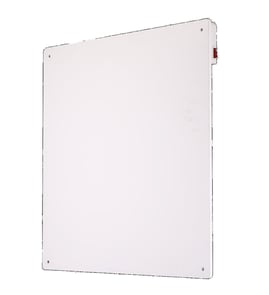
Installing a propane wall heater like the Williams 35GV-3 typically costs about $500 to $1,400 total (heater plus labor), with the biggest price drivers being gas-line work, venting requirements, and any electrical needs for a blower or controls.
What changes the installed price most
- Gas piping and shutoff valve work: extending or upsizing the propane line, adding a sediment trap, pressure testing
- Venting: direct-vent or vented installs usually cost more than vent-free setups
- Wall and framing work: cutting an opening, adding supports, patching drywall or siding
- Electrical (if equipped): adding an outlet, wiring a thermostat, or powering a fan kit
- Permits and inspection: common for fuel-gas appliances and can add time and cost
Typical cost breakdown (what you are paying for)
| Cost item | Typical range | Notes |
|---|---|---|
| Heater unit | $250 to $900 | Varies by BTU, venting style, and features |
| Labor | $250 to $900 | Higher when gas line or venting is complex |
| Vent kit / materials | $0 to $400 | Depends on vented vs vent-free and run length |
| Misc. parts and supplies | $25 to $150 | Pipe fittings, sealant rated for gas, fasteners |
Safety and install basics we recommend
Propane work needs to be done correctly because leaks and improper combustion are serious hazards. Before any install work begins, we recommend:
- Shut off propane at the tank and verify no gas flow
- Confirm the heater is rated for LPG/propane (not natural gas)
- Verify required clearances to combustibles around the wall furnace
- Confirm whether the installation requires venting and adequate combustion air
- Plan for a carbon monoxide alarm in the home
Why it matters
With wall furnaces, the “same heater” can cost very different amounts to install because gas piping, venting, and code-compliant placement often take more time than mounting the unit itself.
For help identifying the exact model number on your unit before ordering parts or scheduling service, use how to find your appliance model number (and what it means for parts).
Last updated: February 2026
Why is my gas wall heater not turning on?
If your Williams 35GV-3 LPG wall heater is not turning on, the most common causes are a fuel supply issue (propane tank empty or shutoff closed), a pilot/ignition problem, or a safety device stopping operation. Start with the gas supply checks first because they are the fastest to confirm.
Quick checks (do these first)
- Confirm the propane tank has fuel and the service valve is fully open.
- Make sure any inline gas shutoff valve is open (handle parallel to the pipe).
- Set the thermostat higher than room temperature and confirm the heater control is set to “ON/HEAT.”
- If your unit uses a standing pilot, verify the pilot is lit and stays lit.
- If the pilot will not light, the pilot tube or pilot orifice can be restricted by dust or debris.
- If the pilot lights but the main burner never comes on, the thermocouple/thermopile or gas valve circuit is often the issue.
Safety first (propane wall heater)
- If you smell gas: do not try to light the heater; ventilate the area and stop.
- Turn the heater control to OFF before removing any covers.
- Let the heater cool before inspecting the burner compartment.
- Use a flashlight; avoid open flames for inspection.
What the symptoms usually mean
| Symptom | Most likely cause | What to do next |
|---|---|---|
| Nothing happens at all | No gas supply, closed shutoff, thermostat not calling | Verify tank level, valves, thermostat setting |
| Pilot will not light | Air in line, blocked pilot tube/orifice, igniter issue | Purge air per safe lighting steps; inspect/clean pilot area |
| Pilot lights but goes out | Weak thermocouple signal, dirty pilot flame | Clean pilot flame area; check flame hitting sensor |
| Pilot stays lit but burner won’t light | Gas valve not opening, limit switch open, weak thermopile | Check for overheating/blocked airflow; test electrical safety circuit |
Why it matters
A wall furnace can fail to start because built-in safety controls stop gas flow when the pilot flame is weak, airflow is restricted, or the heater overheats. Fixing the root cause prevents nuisance shutdowns and helps the heater run safely and consistently.
Helpful DIY guidance
For basic electrical checks (like verifying a switch, limit, or simple circuit), use how to use a multimeter to test electrical parts video.
Last updated: February 2026
How long do Williams wall heaters last?
Most Williams wall heaters, including the Williams 35GV-3 LPG wall furnace, typically last 15 to 20 years with normal use and basic maintenance. Units that are kept clean, properly vented, and correctly adjusted often run longer; neglected units usually fail sooner.
Typical lifespan and what affects it
A wall heater’s service life depends more on operating conditions than the cabinet itself.
- Burner and pilot cleanliness (dust and lint shorten life)
- Proper gas pressure and combustion (poor combustion overheats parts)
- Vent and flue condition (restricted venting stresses the heat exchanger)
- Corrosion exposure (humidity, coastal air, or water leaks)
- How hard it runs (long cycles in very cold climates add wear)
What “end of life” usually looks like
These are the most common reasons older LPG wall furnaces get replaced or need major repair:
| Symptom | What it often points to | What to do next |
|---|---|---|
| Sooting or strong combustion odor | Dirty burner, incorrect air mix, venting issue | Stop using and have combustion/venting checked |
| Frequent pilot outage | Dirty pilot/thermocouple issues, draft problems | Clean and inspect pilot assembly and venting |
| Weak heat output | Burner restriction, gas supply issue | Inspect burner, verify supply and regulator |
| Rattling, popping, or metal fatigue noises | Heat exchanger stress or mounting issues | Inspect exchanger area and mounting points |
Maintenance that helps you reach 20+ years
We recommend these practical steps for a Williams 35GV-3 wall heater:
- Vacuum dust from the front grille and burner compartment (with gas off and unit cool)
- Keep clearances around the heater so airflow is not blocked
- Make sure the vent/flue path stays unobstructed
- Watch the flame pattern; it should look steady and not lazy or lifting
- Schedule periodic inspection for combustion safety and venting integrity
Why it matters
A wall furnace can still “run” while operating inefficiently or unsafely. Keeping combustion and venting in good shape protects the heat exchanger, improves comfort, and reduces nuisance shutdowns.
For help identifying the correct model information before ordering parts or service items, use our guide: how to find your appliance model number (and what it means for parts).
Last updated: February 2026
How do you adjust a wall heater?
To adjust a Williams 35GV-3 wall furnace, set the thermostat or control knob to your desired room temperature, then fine-tune in small steps after the heater runs for 10 to 15 minutes. For LPG wall heaters, steady, gradual adjustments help prevent short cycling and uneven heat.
How to adjust it (common control types)
- Built-in thermostat dial on the heater: turn toward higher for more heat, toward lower for less heat.
- Wall thermostat (if your home uses one): raise the setpoint a few degrees, then wait for the burner to stabilize.
- Manual heat control knob (some models): start at a mid setting, then adjust up or down in small increments.
- If the heater has a pilot: keep the pilot lit per the lighting instructions on the unit before expecting heat output.
A quick, safe adjustment checklist
- Make sure the front grille and air openings are clear (no rugs, furniture, or curtains blocking airflow).
- Set the control to a moderate temperature first; avoid jumping from minimum to maximum.
- Wait 10 to 15 minutes between changes so the wall heater can reach a stable operating temperature.
- If you smell gas, turn the heater off and stop adjustments; have the system checked by a qualified technician.
- If the heater cycles on and off rapidly, lower the setting slightly and confirm airflow is not restricted.
What you should see after adjusting
| Setting change | Typical heater behavior | What it suggests |
|---|---|---|
| Increase temperature | Burner ignites and runs longer | Normal response |
| Decrease temperature | Burner shuts off sooner | Normal response |
| No change in heat | Burner does not light or shuts down quickly | Ignition, pilot, or airflow issue |
Why it matters
Correct adjustment helps your Williams 35GV-3 LPG wall heater maintain comfort while reducing nuisance cycling, overheating, and wear on ignition and safety controls.
For general DIY safety guidance before working around an appliance, review are diy appliance repairs safe.
Last updated: February 2026
How to relight a Williams wall heater?
To relight your Williams 35GV-3 wall furnace, set the thermostat low, turn the gas control to OFF for 5 minutes, then switch to PILOT and hold the knob in while lighting the pilot. After the pilot stays lit, turn to ON.
Relight steps (standing pilot)
- Turn thermostat to the lowest setting.
- Turn gas control knob to OFF; wait 5 minutes.
- Turn knob to PILOT.
- Press and hold the knob in.
- Light the pilot:
- Use the built-in igniter (if equipped), or
- Use a long-reach lighter or fireplace match at the pilot burner.
- Keep holding the knob 30 to 60 seconds, then release.
- If the pilot stays lit, turn knob to ON and raise the thermostat to call for heat.
If the pilot will not stay lit
A pilot that goes out when you release the knob usually means the safety system is not sensing enough heat.
- Hold the knob in the full 60 seconds.
- Make sure the pilot flame is steady and hitting the thermocouple tip.
- Reduce drafts around the heater front and pilot area.
- If the heater has a wall thermostat, confirm the connections are tight.
- For basic electrical checks on heaters with a fan or controls, use how to use a multimeter to test electrical parts video.
Quick symptom guide
| Symptom | Most likely cause | What to do |
|---|---|---|
| Pilot lights, then goes out when knob is released | Thermocouple not hot enough, weak pilot flame | Hold longer; verify flame contact; clean pilot area |
| Pilot will not light | Gas supply off, pilot opening blocked | Confirm gas is on; clear debris at pilot opening |
| Pilot stays lit, burner will not light | Thermostat not calling for heat | Raise thermostat; check thermostat wiring |
Why it matters
Relighting correctly lets the thermocouple prove flame so the gas valve can stay open safely; it also prevents nuisance shutdowns and helps your Williams heater heat reliably.
Last updated: February 2026