


Is it worth fixing a 20 year old furnace?
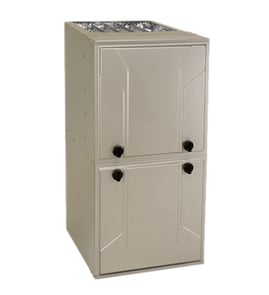
For a 20-year-old York furnace like model P3HUC16N09201, replacement is usually the better value because efficiency, reliability, and repair frequency typically worsen at this age. A small, low-cost repair can make sense as a short-term bridge, but repeated or major repairs are a clear sign to move on.
Quick decision guide (repair vs. replace)
Use these practical rules to decide:
- Repair if it is a simple fix (loose wire, dirty flame sensor, clogged filter) and the furnace has been reliable.
- Replace if you have frequent breakdowns, uneven heat, or rising utility bills.
- Replace if the repair involves a major component (heat exchanger, inducer motor, control board, gas valve).
- Replace if the repair cost is around 50% or more of the installed cost of a new furnace.
- Replace if you are trying to avoid a mid-winter emergency outage.
What “20 years old” typically means for a furnace
Most gas furnaces have a typical lifespan of 15 to 20 years. At 20 years, it is common to see more wear in ignition components, blower and inducer motors, safety switches, and electrical connections.
Common age-related repairs you may see
- Igniter or flame sensor service
- Pressure switch or condensate drain issues (on high-efficiency units)
- Blower motor or capacitor problems
- Control board or relay failures
- Draft inducer wear and noise
Cost and risk comparison
| Factor | Repair a 20-year-old furnace | Replace with a new furnace |
|---|---|---|
| Upfront cost | Lower today | Higher today |
| Reliability | Often unpredictable | Typically strong for many years |
| Efficiency | Usually lower | Usually higher |
| Comfort | May still have hot/cold spots | Often improved airflow and control |
Why it matters
A furnace failure is not just inconvenient; it can leave you without heat during the coldest days. Planning a replacement on your schedule usually costs less and avoids rushed decisions compared with an emergency breakdown.
Parts and model number tip
If you decide to repair, match parts to the exact model number P3HUC16N09201 to avoid fit and wiring mismatches. Our guide on how to find your appliance model number (and what it means for parts) helps you confirm the model tag location and what the full number tells you.
Last updated: February 2026
How much does a furnace cost for a 2000 square-foot house?
For a 2,000 sq ft home, a new furnace typically runs about $4,000 to $8,000+ installed, with the final price driven by fuel type (gas, propane, electric), efficiency (AFUE), and how much labor your ductwork, venting, and electrical upgrades require. For York model P3HUC16N09201, we focus on helping you identify the right replacement parts and repair options on Sears PartsDirect.
Typical installed cost ranges (what changes the price)
Most homeowners see pricing fall into these buckets:
- Entry-level (80% AFUE gas): lower equipment cost, often simpler venting
- High-efficiency (90% to 98% AFUE gas): higher equipment cost, may require PVC venting and condensate drain work
- Electric furnace or air handler heat: equipment can be lower, but operating cost can be higher depending on rates
- Add-ons (optional): humidifier, media filter cabinet, smart thermostat, zoning
| Cost driver | Usually increases cost when… | Why it matters |
|---|---|---|
| Furnace size (BTU output) | Home needs higher BTUs | Oversizing wastes energy; undersizing reduces comfort |
| Efficiency (AFUE) | You choose 95%+ AFUE | More complex heat exchanger and venting |
| Installation complexity | Ductwork, venting, gas line, electrical need changes | Labor and materials can exceed equipment cost |
| Local code and permits | Permits and inspections are required | Ensures safe operation and proper venting |
Sizing guidance for a 2,000 sq ft home
A common target for many 2,000 sq ft homes is about 80,000 to 100,000 BTU input, but the right size depends on insulation, climate zone, window quality, and duct condition.
- Colder climates often need more BTUs
- Leaky ducts can make a correctly sized furnace feel undersized
- A proper load calculation (Manual J) prevents oversizing
Why it matters
Furnace replacement cost is not just the unit price. The biggest swings come from efficiency choice and installation scope (venting, condensate drain, duct modifications). If your York furnace is otherwise in good shape, repairing a failed component can be a cost-effective path.
If you are pricing repair vs replace
Use these checkpoints before committing to replacement:
- Age of the furnace and overall condition
- Frequency of breakdowns (ignition, blower, control issues)
- Heat exchanger condition (inspection by a technician)
- Availability of replacement parts by model number
- Energy bills and comfort issues (hot/cold rooms)
Last updated: February 2026
Is a 95% furnace worth the extra money?
Yes; a 95% AFUE (high-efficiency, condensing) furnace is worth the extra money when you have a long heating season and plan to stay in the home long enough to recover the higher installed cost through lower gas use. Your York P3HUC16N09201 is a different furnace model than a 95% unit, so this decision applies when choosing a new furnace, not “upgrading” the existing one.
What you gain with a 95% furnace
A 95% furnace captures more heat from combustion than a standard-efficiency furnace, so you typically see meaningful fuel savings and steadier comfort.
- Lower fuel use because less heat goes up the flue
- More even temperatures from longer, lower-output run cycles
- Sealed combustion is common (dedicated intake air)
- Quieter operation is common with variable-speed blowers
- Better performance in colder climates and long heating seasons
What can reduce the payoff
The extra cost is usually tied to venting and condensate handling; those installation requirements determine whether the upgrade pencils out.
- PVC venting routing (intake and exhaust are often both used)
- Condensate drain requirements (sometimes a condensate pump)
- Space and access for vent termination and service
- Local fuel cost and how many hours the furnace runs each winter
| Item | Standard-efficiency (often ~80% AFUE) | High-efficiency (95% AFUE) |
|---|---|---|
| Exhaust | Hotter flue gas | Cooler flue gas (condensing) |
| Vent material | Often metal vent/chimney | Typically PVC venting |
| Condensate | None | Produces condensate that must drain |
Simple payback check
Use your own numbers to decide quickly.
- Find your annual heating cost (gas portion)
- Estimate savings at 10% to 20% when moving from ~80% to 95%
- Divide the extra installed cost by the estimated annual savings
Why it matters
Furnaces run for many seasons; efficiency affects every bill. A 95% furnace saves the most when it is installed with correct venting and condensate drainage, so the installation details matter as much as the rating.
For model identification and parts lookup for your York P3HUC16N09201, use how to find your appliance model number (and what it means for parts).
Last updated: February 2026