Owner’s manual
 Error Codes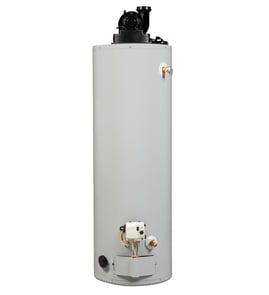




Is it cheaper to repair or replace a water heater?
For the American BFG2J5040T3NOV gas water heater, it’s usually cheaper to repair when the problem is limited to a serviceable component (like ignition or safety parts) and the tank is sound; replacement makes more sense when the tank is leaking, badly corroded, or the unit has been flood-submerged (the manual calls for replacing the entire heater in that case). See the BFG2J5040T3NOV owner's manual for safety and replacement guidance.
Quick decision guide (repair vs replace)
- Repair when you have no tank leak and the issue is isolated (pilot will not stay lit, weak ignition, minor seep at a valve).
- Replace when the tank itself leaks, there is heavy rusting at the tank seams, or performance is failing repeatedly.
- Replace immediately if any gas controls, burner, or pilot were submerged in water (flooding).
- Repair when the fix is a known wear item and the rest of the heater is in good condition.
- Replace when repair cost is approaching a large share of a new heater, especially if multiple parts are failing.
Common repairable problems on this model
These parts are commonly involved when a gas water heater will not heat or the pilot will not stay lit:
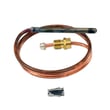
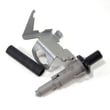
- Nat gas th 100108267 (thermocouple style safety sensor)
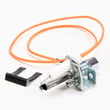
- Water heater pilot igniter 100110936 (pilot/ignition component)
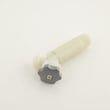
- Water heater manifold door gasket 100112699 (helps seal the burner/manifold door area)
Typical symptoms and what they point to
| Symptom | Often repairable? | Common next step |
|---|---|---|
| Pilot will not stay lit | Yes | Inspect/replace thermocouple and pilot/igniter parts |
| Water around the drain area | Often | Replace drain valve and verify tight, sealed threads |
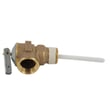
| Water dripping from relief line | Often | Test/replace T&P valve; check for thermal expansion |
| Water under the tank (from tank body) | No | Replace the water heater |
Why it matters
Repairing a safe, contained issue can restore hot water quickly and cost less than replacement. Replacing a leaking tank or a flood-submerged gas water heater avoids unsafe operation and prevents repeated breakdowns and water damage.
Last updated: February 2026
What is the average cost of a 50 gallon gas water heater?
A typical 50-gallon gas water heater usually runs about $600 to $1,200 for the tank, and about $900 to $3,100 installed once you include labor and common installation materials. For your American BFG2J5040T3NOV, the final price mainly depends on venting type, gas piping changes, and local code requirements.
What drives the installed price?
Several job details can move the total up or down:
- Venting: standard atmospheric venting is usually simpler than power-venting.
- Gas line work: resizing or extending gas pipe adds labor and fittings.
- Water piping updates: shutoff valves, dielectric unions, and rework for alignment.
- Expansion control: closed systems often need an expansion tank.
- Permits and haul-away: varies by area and contractor.
Typical cost ranges (what most homeowners see)
| Item | Typical range | Notes |
|---|---|---|
| Water heater unit (50-gal gas) | $600 to $1,200 | Higher for premium features and venting upgrades |
| Basic installation labor + common materials | $300 to $1,900 | Wide range based on complexity |
| Total installed cost | $900 to $3,100 | Most quotes land somewhere in this band |
Model-related details that can add cost
Your BFG2J5040T3NOV installation requirements matter because they affect labor time and materials:
- Combustion air and ventilation: the space must provide adequate air volume.
- Gas supply sizing: pipe diameter and run length must support the heater’s BTU input.
- Thermal expansion: in a closed water system, periodic discharge at the relief valve can indicate expansion pressure; adding an expansion tank is a common fix.
We recommend checking the venting, combustion air, and gas supply sections in the owner's manual before you compare quotes.
Why it matters
A low quote can turn expensive if the installer later discovers venting changes, gas pipe resizing, or expansion control is needed. Pricing the job correctly up front helps avoid delays, relighting issues, and nuisance relief-valve discharge.
Last updated: February 2026
What is the average lifespan of a gas water heater?
A tank-style gas water heater typically lasts 8 to 12 years. For your American BFG2J5040T3NOV, regular maintenance (especially anode rod inspections and periodic draining) helps you reach the upper end of that range and reduce the risk of sudden leaks.
Typical lifespan and what affects it
Most lifespan differences come down to water conditions and maintenance.
- Water quality: hard water and sediment speed up wear
- Water softeners: softened water can be more corrosive and shorten tank life
- Maintenance: flushing sediment and inspecting the anode rod slows corrosion
- Usage: high daily demand increases burner run time and stress
- Installation factors: venting and combustion air issues can cause poor operation
Maintenance that most improves tank life
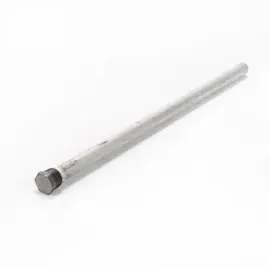
Your manual calls out anode rod inspection as a key corrosion-control step.
- Inspect the anode rod about every 3 years
- Replace the anode rod when it is more than 50% depleted
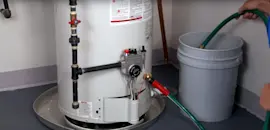
- Drain a few gallons before anode service to reduce mess and pressure
- Keep the burner area clean and the combustion air path unobstructed
- Follow lighting and operating instructions in the owner's manual
Common service intervals (quick guide)
| Item | Typical interval | Why it matters |
|---|---|---|
| Anode rod inspection | Every 3 years | Protects the tank from internal corrosion |
| Tank draining and flushing | 6 to 12 months | Reduces sediment, noise, and overheating |
| T&P valve check | Yearly | Helps prevent dangerous overpressure |
Signs replacement is getting close
These symptoms often show up as a tank nears end of life.
- Rusty or discolored hot water
- Popping or rumbling from sediment buildup
- Moisture or leaking around the base of the tank
- Inconsistent hot water even after basic maintenance
- Frequent pilot or burner issues (after confirming venting and gas supply are correct)
Why it matters
Once a tank begins leaking, replacement is usually the practical fix. Staying ahead with corrosion protection (anode rod) and sediment control helps you avoid water damage and keeps recovery performance steadier.
Last updated: February 2026
What is the most common problem with gas water heaters?
On the American BFG2J5040T3NOV gas water heater, the most common problem we see is ignition trouble, especially a pilot light that will not stay lit. This is often tied to the flame-sensing safety circuit (thermocouple/pilot components) and can lead to no hot water or intermittent heating.
What usually causes it
A gas water heater needs a stable pilot flame and proper combustion air to keep the gas valve open. When the pilot drops out, the heater shuts down for safety.
Common causes include:
- Weak or dirty pilot flame (pilot/igniter assembly issues)
- Failing thermocouple signal (pilot safety sensing)
- Airflow or venting problems (draft and combustion air)
- Flammable vapor safety shutdown (some events permanently disable the heater)
- Gas supply interruptions (especially after running out of LP gas)
Quick checks we recommend (safe, homeowner-level)
Before any hands-on work, follow the lighting and safety steps in the BFG2J5040T3NOV owner's manual.
- Confirm the gas shutoff valve is fully open
- If you have LP gas, smell near floor level before lighting; follow the printed gas-smell warnings
- Watch the pilot through the viewport while lighting; repeat the igniter steps exactly as shown
- Make sure the area around the heater is clear; never store flammables nearby
- If the unit has been unused for 2+ weeks, run hot water at a sink for several minutes before using electrical appliances (hydrogen gas precaution)
Parts that commonly fix “pilot won’t stay lit”
If basic checks do not restore reliable ignition, these model-specific parts are common repair paths:
| Symptom | Likely part to check | What it does |
|---|---|---|
| Pilot lights, then goes out | Nat gas th 100108267 | Senses pilot flame and keeps gas valve energized |
| No spark or unreliable lighting | Water heater pilot igniter 100110936 | Provides ignition at the pilot |
| Door seal leaks air, flame is unstable | Water heater manifold door gasket 100112699 | Seals the burner/manifold door for proper combustion |
Why it matters
A pilot that will not stay lit is more than an inconvenience; it is the heater’s safety system preventing unburned gas and unsafe combustion. Stable ignition also helps prevent temperature swings and nuisance shutdowns.
Last updated: February 2026