Owner’s manual
 Error Codes






Why are gas water heaters being phased out?
Gas water heaters are being phased out in some areas because regulators want to reduce air pollution and greenhouse-gas emissions from burning natural gas or propane in homes. For American model FG12240T403NO, the key takeaway is that local rules can affect what you are allowed to install or replace, even if your current unit still operates normally.
What is driving the phase-outs
Most phase-out proposals focus on cutting emissions from combustion appliances, especially in dense metro areas where air quality is a concern.
Common policy drivers include:
- Reducing nitrogen oxides (NOx), which contribute to smog
- Lowering carbon emissions from on-site fuel burning
- Encouraging electrification (heat pump water heaters) in new construction
- Setting future compliance dates for replacements at end-of-life
- Creating incentives or rebates to switch from gas to electric
What it means for your FG12240T403NO water heater
Even where gas restrictions exist, they usually apply to new installations, replacements, or certain building types. Your next steps depend on local code and the fuel type you use.
| Situation | Typical outcome | What we recommend |
|---|---|---|
| Existing gas unit still running | Often allowed to keep using | Maintain it and plan ahead |
| Replacing a failed gas unit | May be restricted in some areas | Confirm local requirements before buying |
| Converting to electric/heat pump | Often encouraged | Verify electrical capacity and venting changes |
Practical steps if you are planning a repair or replacement
Use these steps to avoid surprises during a repair, permit, or replacement decision:
- Check your city or county requirements for gas water heater replacement
- Confirm whether your unit is natural gas or LP (propane) before ordering parts
- Follow the lighting and safety instructions in the FG12240T403NO owner's manual
- If you smell gas at floor level (especially with LP), follow the safety label instructions and contact your gas supplier
- If you are extending the life of the tank, schedule periodic maintenance (drain/flush and inspection)
Why it matters
Policy changes can affect availability, permitted installation, and total replacement cost. Keeping your FG12240T403NO operating safely (proper clearances, ventilation, and safe lighting practices) buys time while you plan for whatever your local rules require.
Last updated: January 2026
What is the average labor cost to install a 40 gallon gas water heater?
For a typical 40-gallon gas water heater replacement, average labor commonly runs $300 to $800. Costs rise when the installer must modify gas piping, venting, combustion air, or add required safety items; your American water heater model FG12240T403NO must be installed to applicable codes and the manufacturer’s requirements in the FG12240T403NO owner's manual.
What changes the labor price most
- Swap vs. rework: a straight tank swap costs less than re-routing vent pipe or gas line
- Permits and inspections: often required for gas water heater installs
- Venting and combustion air: long vent runs, extra elbows, or air supply changes add time
- Gas supply work: resizing pipe, adding a shutoff, sediment trap, or leak testing
- Location difficulty: tight closets, attics, crawlspaces, or upper floors
- Water piping updates: replacing old shutoff valves, corroded nipples, or adding an expansion tank
Typical labor scenarios (labor only)
| Install scenario | Typical labor time | Typical labor cost |
|---|---|---|
| Straight replacement (same fuel, same vent type) | 3 to 4 hours | $300 to $800 |
| Replacement plus venting or combustion-air changes | 4 to 8 hours | $600 to $1,500 |
| Complex job (gas line changes, relocation, multiple code upgrades) | 1 to 2 days | $1,000 to $2,500+ |
Code and safety items that can add labor
Your manual calls out that installation must follow local codes and the National Fuel Gas Code (ANSI Z223.1/NFPA 54), and it highlights venting and combustion air requirements. Those requirements often drive labor.
Common add-ons include:
- Thermal expansion control (expansion tank on cold water line in closed systems)
- Drain pan and drain routing where leakage could damage property
- Venting corrections to meet clearance and draft requirements
- Gas pipe sizing to match the heater’s BTU input and total pipe length
Why it matters
A gas water heater install is as much about safe combustion and venting as it is about hot water. Paying for the right venting, gas supply sizing, and pressure control helps prevent nuisance shutdowns, poor performance, and premature component wear.
Last updated: January 2026
What is the average lifespan of a gas hot water heater?
Most gas water heaters last 8 to 12 years on average. For the American FG12240T403NO gas water heater, regular maintenance (especially inspecting and replacing the anode rod) helps the tank resist corrosion and can extend service life.
What affects lifespan the most
- Water quality: hard water and sediment buildup increase wear.
- Anode rod condition: a depleted anode rod speeds up tank corrosion.
- Maintenance habits: periodic draining and flushing reduces sediment.
- Temperature setting: higher temperatures can increase scaling and stress.
- Usage level: heavy daily demand increases burner run time.
Maintenance timeline we recommend
The manual calls out anode rod inspection as a key longevity step. Use the FG12240T403NO owner's manual for the exact procedure and safety steps.
| Maintenance item | Typical interval | What it helps prevent |
|---|---|---|
| Inspect anode rod | Every 3 years | Tank corrosion, odor issues |
| Drain and flush tank | 1 to 2 times per year | Sediment buildup, rumbling noises |
| Check T&P relief valve operation | Yearly | Overpressure risk, nuisance leaking |
Anode rod guidance (biggest lifespan lever)
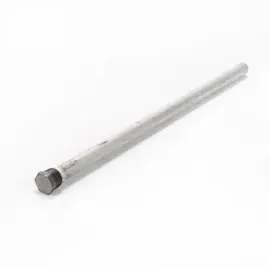
The manual recommends removing the anode rod about every 3 years and replacing it if it is more than 50% depleted. If you need the replacement part for this model, use the water heater anode rod 100109594.
Signs your water heater is near end of life
- Rust-colored water from hot taps
- Moisture or corrosion around the tank bottom
- Rumbling or popping noises that persist after flushing
- Reduced hot water capacity or longer recovery time
- Repeated pilot or burner issues after basic service
Why it matters
A gas water heater usually fails from internal tank corrosion. Keeping the anode rod in good shape and controlling sediment buildup are the most practical ways to get the full expected lifespan from the FG12240T403NO.
Last updated: January 2026
Why do plumbers not recommend tankless water heaters?
Many plumbers steer customers away from tankless water heaters because a tankless swap usually adds installation requirements and ongoing maintenance compared with a standard tank unit like the American Water Heaters FG12240T403NO. The biggest pain points are gas venting changes, water quality related scaling, and sizing for peak demand.
The most common practical drawbacks
- Installation is rarely plug-and-play: tankless units often need different venting, combustion air planning, and gas line sizing.
- Water quality drives maintenance: hard water causes scale that reduces heat transfer and flow; periodic descaling is part of ownership.
- Sizing mistakes cause complaints: if the unit is undersized, hot water drops when multiple fixtures run.
- More components to diagnose: sensors, ignition, and venting safeties add troubleshooting steps.
- Upfront cost is higher: equipment plus labor is typically higher than replacing a tank heater.
Tank vs. tankless: what changes
| Topic | Tank water heater (FG12240T403NO style) | Tankless water heater |
|---|---|---|
| Hot water capacity | Stored hot water, then recovery | Limited by max flow and temperature rise |
| Maintenance focus | Flushing sediment; anode checks | Descaling; inlet filter cleaning |
| Install complexity | Often a like-for-like replacement | Venting and gas changes are common |
| Best fit | Predictable demand, simpler service | Space savings, long draws, right sizing |
If you keep a tank-style heater, what we recommend
Use these steps to reduce nuisance issues and extend service life:
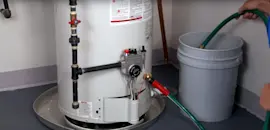
- Drain and flush the tank to reduce sediment noise and help prevent premature tank problems.
- If you hear sizzling or see moisture, remember condensation can be normal during startup or heavy use and typically stops after the tank warms.
- If a valve is leaking, replace the failed part instead of overtightening.
Helpful DIY references: FG12240T403NO manual, how to replace a water heater drain valve.
Why it matters
Most “tankless regrets” come from avoidable issues: venting or gas supply not upgraded, water hardness not addressed, or the unit not sized for simultaneous showers and appliances. Matching the heater type to your home prevents callbacks and comfort problems.
Last updated: January 2026