Error Codes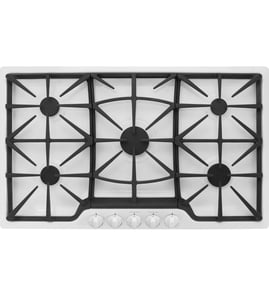



How long do Jenn-Air cooktops last?
Most Jenn-Air gas cooktops, including model JGD3536GS05, typically last 10 to 15 years with normal household use. Keeping burners clean, ensuring steady gas pressure, and maintaining the downdraft vent (if equipped) helps you reach the upper end of that range.
- Daily heat and spill exposure: boil-overs and acidic spills speed up corrosion and ignition issues.
- Ignition system wear: electrodes and the spark module take the most “cycles.”
- Gas supply quality: low or unstable pressure can cause hard lighting and soot.
- Ventilation load: downdraft systems work harder when filters are clogged.
- Cleaning habits: harsh abrasives can damage burner parts and finishes.
- Clean burner caps and ports regularly; keep ports clear for an even flame.
- Dry the cooktop surface after cleaning to reduce corrosion around igniters.
- Wash or replace the downdraft grease filter on schedule; use the correct cooktop downdraft vent grease filter W10177003.
- If clicking continues after the flame is lit, inspect and clean the igniter; replace the electrode W10876262 if it is cracked or won’t spark reliably.
- If flames are weak or uneven across burners, have gas pressure and regulation checked; the cooktop pressure regulator W11087445 is a common service part.
| Component | Typical service life | Common symptom when failing |
|---|---|---|
| Burner caps and ports | 5 to 10 years | uneven flame, delayed ignition |
| Electrode/igniter | 5 to 10 years | constant clicking, no spark |
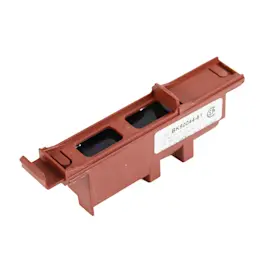
| Spark module | 8 to 15 years | no clicking/spark on multiple burners |
| Grease filter (downdraft) | 6 to 24 months | poor venting, odors, greasy buildup |
A cooktop that is hard to light, clicks constantly, or vents poorly often needs routine cleaning or a targeted part replacement, not a full cooktop replacement. Addressing ignition and airflow issues early helps protect wiring, valves, and finishes.
Last updated: January 2026
Why is my Jenn-Air stove top not working?
If your Jenn-Air gas cooktop model JGD3536GS05 is not working, the most common causes are ignition failure (no spark), a gas supply issue, or a burner that is clogged or assembled incorrectly after cleaning. Start by checking for spark at the burner and confirming gas flow.
- Make sure the burner cap and burner head are seated flat and centered.
- Clean and dry the burner ports; food spills and moisture commonly block ignition.
- Turn on a burner and listen for clicking; no clicking usually points to an ignition circuit issue.
- If you have clicking but no flame, confirm the gas shutoff valve is fully open.
- If only one burner fails, focus on that burner’s electrode and cap alignment.
- If all burners fail, focus on power to the cooktop and the spark module.
| What you see | Most likely cause | What to do next |
|---|---|---|
| No clicking on any burner | Failed spark module or no power | Verify outlet power; then consider replacing the spark module WPW10475150 |
| Clicking but no flame | Gas supply off, clogged ports, or misaligned cap | Open gas valve; clean ports; reseat cap |
| One burner clicks but will not light | Dirty/wet electrode or damaged electrode | Clean and dry; inspect and replace the electrode W10876262 if cracked |
| Weak flame or uneven flame | Pressure/regulator or orifice issue | Check gas type and supply; inspect burner orifice holder and regulator |
A gas cooktop that will not ignite is often a simple alignment or cleaning issue, but repeated clicking, delayed ignition, or uneven flame can also signal a failing ignition part or a gas regulation problem that affects cooking performance and safety.
- You smell gas and the odor does not clear quickly.
- The burner lights with a “whoosh” or delayed ignition repeatedly.
- You suspect a regulator, valve, or internal gas connection problem.
Last updated: January 2026
Do downdraft vents work with a gas cooktop?
Yes. Downdraft ventilation can work with the Jenn-Air gas cooktop model JGD3536GS05, but performance depends on burner setting, cookware size, and airflow. For best capture, we recommend using the lowest effective fan speed and keeping flames stable so the downdraft does not pull heat away from the burner.
- Use the lowest fan setting that still clears smoke and steam.
- Center the pan over the burner; avoid oversized pans that block airflow.
- Keep burner caps and ports clean so the flame stays even.
- Reduce cross drafts (open windows, ceiling fans) that fight the downdraft.
- Use lids when possible to reduce plume height and improve capture.
| What you notice | Most common cause | What to do first |
|---|---|---|
| Smoke/steam escapes into the room | Fan speed too low or plume too tall | Increase fan one step; use a lid |
| Flame looks pulled or uneven when fan is on | Airflow competing with burner flame | Lower fan speed; verify burner cap is seated |
| Vent is loud but not moving much air | Grease filter restricted | Clean or replace the cooktop downdraft vent grease filter W10177003 |
| Weak downdraft even on high | Blower or ducting issue | Inspect blower area; consider the cooktop blower assembly W11083804 if the motor is failing |
Gas flames create a hot, rising plume that can be harder for a downdraft to capture than an overhead hood. Balancing fan speed with burner output helps keep cooking heat on the pan while still pulling odors and grease into the vent system.
Last updated: January 2026
What brand makes the best gas cooktop?
There is no single “best” gas cooktop brand for everyone; the best choice depends on your cooking style, budget, and whether you need features like downdraft ventilation. For the JENN-AIR JGD3536GS05 gas cooktop, we focus on keeping performance and safety consistent by using the correct replacement parts, such as the spark module WPW10475150 when ignition problems show up.
Use these practical factors to compare brands (including Jenn-Air, KitchenAid, GE, LG, Frigidaire, Whirlpool, and Café):
- Burner performance: Look for stable low simmer and strong high-heat output.
- Reliability and serviceability: Availability of common parts like igniters, valves, and regulators matters.
- Ventilation needs: Downdraft models require compatible venting components and regular filter cleaning.
- Cleaning and durability: Sealed burners, grate finish, and spill containment affect day-to-day upkeep.
- Fit and installation: Confirm cutout size, gas type (natural gas vs LP), and clearances.
| If you care most about… | Prioritize… | What to check before buying |
|---|---|---|
| Fast boiling and searing | High-output burners and stable flame | Pan size support, grate stability |
| Low simmer control | Precise valve control | Simmer performance on smallest burner |
| Easy maintenance | Sealed burner design, durable grates | How caps and grates remove and clean |
| Strong odor and smoke removal | Effective ventilation | Downdraft vs overhead hood capability |
A cooktop can feel “great” or “terrible” based on how well it lights, how steady the flame is, and how well the venting works over time. On a downdraft cooktop like JENN-AIR JGD3536GS05, keeping ignition and airflow components in good shape helps maintain the cooking experience you expect.
- Clicking but no flame (often ignition-related)
- Weak or uneven flame (often gas supply or burner/orifice related)
- Burner lights late with a “whoosh” (often dirty ports or ignition timing)
- Poor smoke capture (often filter or blower airflow issues)
Last updated: January 2026