
How many sq ft will a 2 ton AC cool?
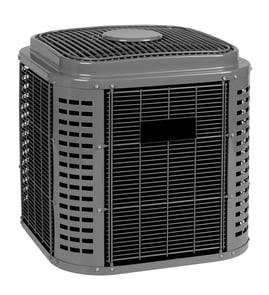
A 2-ton central AC (about 24,000 BTU/hr) typically cools about 900 to 1,200 sq ft in an average home; in mild climates with excellent insulation it can reach roughly 1,300 to 1,400 sq ft, and in hot climates or poorly insulated homes it can be under 900 sq ft. For your Carrier 40QAQ024300 split-system air conditioner, the right answer is the square footage your home’s load calculation supports.
Quick sizing range (what most homeowners can expect)
- 900 to 1,200 sq ft: common real-world range for a 2-ton system
- 1,300 to 1,400 sq ft: possible with tight construction, shade, and low humidity
- Under 900 sq ft: common with high sun exposure, older windows, or high humidity
- Ceiling height matters: tall ceilings reduce effective coverage
- Ductwork matters: leaky or undersized ducts reduce delivered cooling
What changes the square-foot number the most
- Climate zone and humidity (hotter and more humid needs more capacity)
- Insulation and air sealing (attic insulation, weatherstripping, infiltration)
- Window area and sun exposure (west-facing glass drives load)
- Home layout (open plans cool differently than many small rooms)
- Duct condition (leaks, crushed flex duct, poor returns)
Rule-of-thumb table (use for a fast estimate)
| Home conditions | Typical 2-ton coverage | What you’ll notice if it’s wrong |
|---|---|---|
| Excellent insulation, shaded windows | 1,200 to 1,400 sq ft | Short cycles if oversized |
| Average insulation, typical windows | 900 to 1,200 sq ft | Normal run times |
| Poor insulation, lots of sun/humidity | 600 to 900 sq ft | Long run times, weak dehumidification |
Why it matters
If a 2-ton system is too small, it can run constantly and still struggle on hot days. If it’s too large, it can cool the air quickly but leave the home feeling clammy because it does not run long enough to remove moisture.
What we recommend for accurate sizing
- Use a Manual J load calculation (best practice for central air sizing)
- Confirm duct sizing and leakage before upsizing tonnage
- Match equipment to goals: comfort (humidity control) vs fast temperature pull-down
- When you’re ready to look up model-specific parts by model number, start with the parts list for Carrier 40QAQ024300 or search on Sears PartsDirect
Last updated: February 2026
What is the price of 2.5 ton carrier AC?
A 2.5-ton Carrier AC price varies widely by the exact system type (split-system vs. packaged), efficiency rating (SEER2), installation needs, and your local market. For Carrier model 40QAQ024300, use the model number to match the correct unit and parts before comparing quotes on equipment and labor through Sears PartsDirect.
What typically changes the price the most
- Equipment type: condenser, air handler, or a full matched system
- Efficiency (SEER2): higher efficiency usually costs more up front
- Installation scope: new line set, electrical upgrades, pad, disconnect, permits
- Ductwork condition: leaks, sizing issues, or needed repairs
- Controls and accessories: thermostat, float switch, surge protection
Typical price ranges (equipment vs. installed)
These are common U.S. ranges for a 2.5-ton (30,000 BTU/h) central split-system AC; your total depends on the items above.
| What you’re pricing | What it usually includes | Typical range (USD) |
|---|---|---|
| Equipment only | Outdoor unit (and sometimes indoor coil) | $2,000 to $5,000 |
| Installed system | Equipment plus labor and common materials | $5,000 to $12,000 |
| Major add-ons | Duct repairs, electrical work, line set replacement | $500 to $4,000+ |
How to price it correctly for model 40QAQ024300
- Confirm the full model number on the rating plate: 40QAQ024300
- Identify whether you need outdoor unit parts, indoor unit parts, or both
- Compare quotes that list: SEER2, warranty terms, and what installation materials are included
- Ask whether the quote includes: refrigerant adjustments, start-up testing, and disposal of old equipment
Why it matters
A “2.5-ton Carrier AC” is not one single product. Matching capacity, efficiency, and compatible components prevents comfort problems, higher energy use, and repeat service calls.
Last updated: February 2026
What is the average lifespan of 40QAQ024300?
A Carrier split-system air conditioner like model 40QAQ024300 typically lasts 15 to 20 years with correct sizing, clean airflow (filters and coils), and regular maintenance. Units in harsh climates or with poor airflow often wear out sooner; well-maintained systems reach the high end.
What affects lifespan most
- Maintenance quality: annual inspection, coil cleaning, and electrical checks
- Airflow: clean return filter, open registers, unobstructed indoor coil
- Refrigerant health: correct charge, no leaks, stable pressures
- Electrical condition: tight connections, healthy contactor and capacitors
- Runtime and climate: long cooling seasons and extreme heat increase wear
Quick maintenance checklist (owner-friendly)
- Replace or clean the return air filter on schedule (often every 1 to 3 months)
- Keep the outdoor condenser coil clear of leaves, lint, and grass clippings
- Maintain 2 feet or more clearance around the outdoor unit for airflow
- Confirm the condensate drain flows freely during cooling season
- Have a technician check refrigerant charge and amp draw annually
Repair vs. replace: a practical guide
| If your system is... | Usually makes sense to... | Why |
|---|---|---|
| Under ~10 years old | Repair | Major components often have useful life left |
| 10 to 15 years old | Compare repair cost to replacement | Efficiency and reliability start to drop |
| 15+ years old | Plan for replacement if major parts fail | Big repairs rarely pay back |
Why it matters
Knowing the typical 15 to 20 year lifespan helps you plan for major costs like a compressor or coil repair, and it helps you decide when preventive maintenance is the best investment versus putting money toward a newer, more efficient central air conditioner.
For general repair safety and planning, see [are diy appliance repairs safe].
Last updated: March 2026