


Do all GE microwaves use the same mounting bracket?
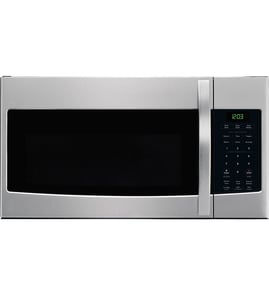
No. GE over-the-range microwaves do not all use the same mounting bracket; the wall plate and top-cabinet bolt pattern vary by model and production run. For GE model UVM9125ST3SS, use the correct bracket for that model, such as the mounting plate WB27X46049.
What changes between GE microwave mounting brackets
Even when the cabinet opening is the common 30-inch width, the mounting points and vent alignment often differ.
- Wall-plate slot locations and stud alignment
- Top-cabinet bolt spacing and hole template
- Exhaust outlet position (top vs rear discharge)
- Bottom edge height and leveling points
- Cord routing and outlet clearance
Quick fit checklist before you reuse an old bracket
Use these checks when swapping an existing GE unit for a different model.
- Match the model number on the rating label to UVM9125ST3SS.
- Compare the old wall plate to the replacement plate for shape and slot locations.
- Confirm your venting setup (recirculating, top vent, or rear vent) matches the new microwave.
- Locate wall studs and confirm the plate can be anchored securely.
- Verify the upper cabinet can accept the top mounting bolts for the new unit.
Common scenarios
| Scenario | What typically happens | Best practice |
|---|---|---|
| Same brand, different model | Hole pattern often differs | Install the correct plate for the new model |
| Same 30-inch opening | Opening fits, mounting points may not | Align to the new plate and template |
| Reusing an old bracket | Can sit crooked or miss studs | Replace the plate to match the model |
Why it matters
The mounting plate supports much of the microwave’s weight and sets the unit’s alignment to the wall and upper cabinet. Using the correct plate helps prevent vibration, shifting, cabinet damage, and mounting failure.
Last updated: February 2026
What are common problems with GE UVM9125ST3SS microwaves?
Common problems we see with the GE UVM9125ST3SS microwave/hood combo include no heat, dead display or no power, door not latching or not starting, blowing a fuse, and a loud or weak vent fan. Many of these symptoms trace back to the door interlock circuit, fuse, or high-voltage components.
Most common symptoms (and what they usually point to)
- Runs but does not heat: high-voltage circuit issue (diode, capacitor, transformer, or magnetron)
- Completely dead (no display, no interior light): blown fuse, power cord issue, or control problem
- Starts then stops, or will not start when door closes: door interlock switch or monitor/secondary switch issue
- Blows fuse when starting or when door is moved: shorted interlock switch circuit or failing high-voltage part
- Vent fan noisy or not moving air: vent motor or fan assembly issue
Parts that commonly fix these problems on UVM9125ST3SS
If your troubleshooting points to a specific failure, these model-matched parts are common repair solutions:
| Symptom | Common suspect part | Example part on this model |
|---|---|---|
| No power, intermittent power | Fuse | Fuse WB27X45112 |
| Will not start, door-related issues | Door interlock switch | Switch micro WB24X10204 |
| Runs but no heat | Magnetron or HV components | Magnetron WB27X45095 |
| Loud or weak venting | Vent motor | Vent motor WB34X25621 |
Quick checks we recommend before replacing parts
- Confirm the outlet has power and the breaker is not tripped.
- Make sure the door closes firmly and is not sagging.
- Listen for a clean “click” from the door switches when closing the door.
- If the unit is dead, inspect and test the fuse (unplug first).
- If it runs but does not heat, stop using it and troubleshoot the high-voltage heating circuit.
Why it matters
Microwave door interlock problems can prevent starting or cause fuse blowing, while heating problems often involve high-voltage parts that require careful diagnosis. Correctly matching the symptom to the circuit saves time and avoids replacing good parts.
For deeper symptom-based troubleshooting, use our guide: why is my microwave not heating.
Last updated: February 2026
What brand of microwave is the most reliable?
Reliability varies more by model and how it’s used than by logo alone, but brands with long-running parts support and consistent build quality (including GE, like model UVM9125ST3SS) tend to perform well over time. For the best long-term results, prioritize a proven model line and maintain the door, ventilation, and power components.
What “most reliable” usually means for microwaves
When customers say “reliable,” they typically mean:
- Heats consistently without long cook times
- Door closes and latches smoothly every time
- Doesn’t blow fuses or trip breakers
- Vent fan and lights keep working normally
- Keypad and control board respond consistently
How to choose a reliable microwave (what we recommend)
Use these practical checks when comparing brands and models:
- Parts availability: Can you still get common wear parts like a fuse, door switches, and filters?
- Serviceability: Over-the-range units should have accessible filters and standard mounting.
- Door system quality: A solid latch and interlock system reduces nuisance shutdowns.
- Ventilation design: Better airflow helps reduce heat stress on internal components.
- Real-world usage fit: Heavy daily use needs a sturdier model than occasional reheating.
Common reliability-related parts (and what they affect)
For GE UVM9125ST3SS, these parts are often involved when a microwave won’t run, won’t start, or shuts off:
| Symptom | Often-related part | What it does |
|---|---|---|
| Dead display, no power | Fuse WB27X45112 | Protects the microwave from overloads |
| Won’t start, door issues | Switch micro WB24X10204 | Confirms the door is closed for safe operation |
| Runs but doesn’t heat | Magnetron WB27X45095 | Generates microwave energy for heating |
| Weak venting or noisy fan | Vent motor WB34X25621 | Moves air through the hood vent system |
| Grease buildup, poor airflow | Grease filter WB02X45866 | Captures grease to protect the vent path |
Why it matters
A “reliable” microwave is usually one that stays cooler, keeps a tight door seal and interlock operation, and has readily available replacement parts. That combination reduces downtime and makes repairs more practical if a fuse, switch, or vent component wears out.
For deeper troubleshooting on heating performance, use our guide: why is my microwave not heating.
Last updated: February 2026
What's the average lifespan of a GE microwave?
A GE microwave typically lasts about 9 to 10 years with normal household use. For your GE UVM9125ST3SS microwave/hood combo, keeping the door latches aligned, vents clear, and electrical protection in good shape helps you reach that expected lifespan.
Typical lifespan and what affects it
Most microwaves wear out from heat stress, door-switch wear, and high-voltage component fatigue. These factors have the biggest impact:
- Daily run time (multiple long heat cycles per day shortens life)
- Ventilation and grease buildup in an over-the-range setup
- Door slamming or misalignment (stresses interlock switches)
- Power quality (surges can damage the control board and noise filter)
- Maintenance habits (keeping filters clean and airflow open)
Quick “is it worth fixing?” guide
If the unit is near the 9 to 10 year mark, compare the symptom and the likely repair path.
| Symptom | Common area involved | Example part for UVM9125ST3SS | Repair decision tip |
|---|---|---|---|
| Dead, no display | Power protection circuit | Fuse WB27X45112 | Often worth fixing if it is a one-time event |
| Runs but does not heat | High-voltage system | Magnetron WB27X45095 | Cost can be higher; compare to unit age |
| Stops when door moves, intermittent | Door interlock circuit | Switch micro WB24X10204 | Usually a practical repair |
| Loud hum or electrical noise | Line filtering | Noise filter WB27X42540 | Worth considering if otherwise working well |
Maintenance that extends microwave life
These steps reduce heat and electrical stress, which are the main lifespan killers:
- Wash or replace the grease filter regularly (use the correct fit, such as grease filter WB02X45866)
- Keep the bottom intake and top exhaust clear so the vent fan can move air
- Close the door gently and keep the latch area clean to protect the interlock switches
- Avoid running the microwave empty; it overheats internal components
- Use microwave-safe covers to reduce splatter and keep airflow paths cleaner
Why it matters
A microwave/hood combo like the GE UVM9125ST3SS works in a hotter, greasier environment than a countertop unit. Managing grease and airflow helps protect key parts like the vent motor, door switches, and high-voltage components.
Last updated: February 2026