 Owner’s manual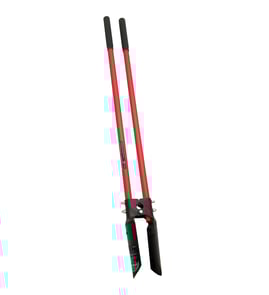

Is a post hole digger better than an auger?
For the Earthquake model 8900, an auger is better when you need speed and consistent hole size across many holes; a manual post hole digger is better for a few holes in softer soil where cost and precision matter more than speed. Your soil conditions and hole count decide the winner.
- Choose a manual post hole digger for 1 to 10 holes, light soil, and tight budgets.
- Choose a power auger (like the Earthquake 8900 powerhead) for fence lines, decks, and repeated holes.
- Avoid very rocky ground; this type of auger works best when rocks are no larger than a person’s fist.
- In heavy soil, “pump” the auger up and down about every 1 foot of depth to clear spoil.
- Use the correct auger style for the job: earth auger for soil, ice auger for ice.
| Project need | Manual post hole digger | Power auger (Earthquake 8900) |
|---|---|---|
| Speed on many holes | Slow | Fast |
| Effort per hole | High | Lower (tool does the cutting) |
| Control in tight spots | High | Medium |
| Performance in heavy soil | Limited | Strong (with proper technique) |
| Upfront cost | Lower | Higher |
The Earthquake 8900 is designed for one-person use when drilling in ice and one or two people when used as an earth auger. For best results, let the unit’s weight do the work instead of forcing it downward. Keep fasteners tight and follow the fuel and starting instructions in the 8900 owner’s manual.
If you are switching applications, match the auger to the material:
- Earth drilling: consider an earth auger such as the earth auger, 6" w/fishtail point EA6F (or another diameter that matches your post size).
- Ice drilling: use an ice auger (and keep blade edges protected when stored).
Picking the right tool reduces binding, kickback risk, and wear on the clutch and gear case. It also saves time: a power auger is a major advantage when you have a long run of holes to dig.
Last updated: February 2026
What is a Hercules pattern post hole digger?
A Hercules pattern post hole digger is a manual, two-handle digging tool with a heavy-duty steel head designed to bite into soil and lift it out to form narrow, deep holes for fence posts, sign posts, and small trees. It is different from the Earthquake 8900 power earth auger described in the Earthquake 8900 owner’s manual.
A “Hercules pattern” name is typically used for a hand post hole digger style (clamshell blades on long handles). The Earthquake 8900 is a powered earth auger (engine-driven) that drills with a rotating auger.
| Feature | Hercules pattern post hole digger | Earthquake 8900 (power earth auger) |
|---|---|---|
| Power source | Manual (your arms) | Gas engine powerhead |
| Digging method | Closes blades to grab soil | Rotating auger cuts and lifts soil |
| Best for | Occasional holes, tight spaces | Multiple holes, heavier soil (not rocky) |
| Typical hole size | Often 4 to 8 inches (varies by tool) | Depends on auger size installed |
- Use a Hercules pattern digger for a few holes, softer soil, and maximum control near landscaping.
- Use the Earthquake 8900 when you need speed and consistent hole diameter.
- Match the auger to the application; do not use an ice auger in earth or an earth auger in ice.
- Avoid excessively rocky ground; rocks larger than about a fist can cause binding and kickback.
- In heavy soil, “pump” the auger up and down as you drill to clear spoil.
If your Earthquake 8900 is not cutting cleanly or is wandering, worn cutting components and loose mounting hardware are common causes.
- Earth blade EB10 (cutting edge for earth drilling)
- Post hole digger bolt EBOLT (fastens the auger to the powerhead)
- Post hole digger earth auger spring 8980 (helps absorb shock on larger augers)
“Hercules pattern” describes a manual tool style, not a specific Earthquake 8900 attachment. Knowing which tool you have helps you pick the correct parts (auger, blade, bolt) and use the right operating method for safer, faster digging.
Last updated: February 2026
What is the fastest way to dig a fence post hole?
The fastest way to dig a fence post hole is to use the Earthquake 8900 power auger with the correct earth auger size for your post, then let the machine cut with its own weight instead of forcing it. In heavy soil, “pump” the auger up and down as you drill to clear spoil faster (per the Earthquake 8900 owner’s manual).
- Mark the hole center, then start the auger straight and steady.
- Let the auger “shave” soil using the unit’s weight; avoid leaning your body weight on it.
- In heavy soil, pump the auger up and down about every 1 foot of depth to clear dirt.
- Stop and clear the hole if spoil packs in the flights.
- Avoid excessively rocky ground; rocks larger than a fist slow drilling and can damage the auger.
A smaller pilot hole is often faster and easier to keep plumb; then you can widen only if needed.
| Goal | Typical approach | Example auger for model 8900 |
|---|---|---|
| Fast, accurate start | Drill a pilot hole first | Earth auger, 2" w/fishtail point EA2F |
| Standard fence posts | Drill near final diameter | Earth auger, 6" w/fishtail point EA6F |
| Larger posts or more clearance | Use a larger diameter auger | Earth auger, 10" w/fishtail point EA10F |
- Use the proper gas and oil mixture and follow the starting steps in the manual.
- Keep the clutch area free of oil and moisture; early break-in can include some clutch slippage.
- Confirm the auger is secured to the powerhead with the correct bolt.
- Use earth augers only in soil (do not use an ice auger in earth).
A power auger is fastest when it stays vertical, clears spoil efficiently, and cuts at the designed shaving rate. Forcing it with body weight or drilling in rocky ground usually wastes time and increases wear on the clutch, blades, and gearbox.
Last updated: February 2026
What is the mix ratio for earthquake auger?
For the Earthquake model 8900 hole digger (earth auger), run fresh unleaded gasoline mixed with 2-cycle oil at a 50:1 ratio. This fuel mix lubricates the 2-cycle engine properly and helps prevent hard starting, power loss, and premature engine wear.
Use this chart to measure accurately (especially for small batches):
| Gasoline amount | 2-cycle oil needed (50:1) |
|---|---|
| 1 gallon | 2.6 fl oz |
| 2 gallons | 5.1 fl oz |
| 5 gallons | 12.8 fl oz |
Mixing in the right order helps the oil blend evenly.
- Use a clean, approved fuel can
- Add about half the gasoline first
- Add the measured 2-cycle oil
- Cap and shake to blend
- Add the remaining gasoline and shake again
- Fill the tank; wipe up any spills before starting
For model-specific operating and safety notes, follow the 8900 owner's manual.
A 2-cycle engine depends on oil mixed into the fuel for lubrication. Too little oil can score the cylinder and damage the piston; too much oil can foul the spark plug, smoke excessively, and reduce performance.
If the auger runs rough after a bad mix or old fuel, these items are commonly involved during service:
- Toggle switch 60G70 (if the engine will not shut off reliably)
- Post hole digger fuel tank GT3HP (if fuel is leaking or contaminated)
- Gasket 8919 (if you see seepage around the gear case area during inspection)
Last updated: February 2026
What size post hole digger for 4x4 post?
A 4x4 post measures about 3-1/2 inches square, so we recommend drilling an 8 to 10 inch hole for a typical set-in-ground install. On the Earthquake model 8900, that means using an 8 inch or 10 inch earth auger so you have room to plumb the post and pack concrete or tamped soil. See the 8900 owner's manual for accessory and auger guidance.
Most 4x4 posts set best with extra clearance around the wood for alignment and backfill.
- 8 inch hole: common minimum for 4x4 posts; leaves working room for tamping or concrete
- 10 inch hole: best when soil is loose, you need more adjustment, or you are using more concrete
- 6 inch hole: works only for very tight installs; leaves little room to pack material evenly
| Post size | Actual post size | Typical hole diameter | Best use case |
|---|---|---|---|
| 4x4 | 3-1/2 in x 3-1/2 in | 8 in | Most fences, decks, and general posts |
| 4x4 | 3-1/2 in x 3-1/2 in | 10 in | Softer soils, higher loads, easier plumbing |
Your Earthquake 8900 supports multiple earth auger diameters (2 inch through 10 inch). For a 4x4 post, these are the practical choices:
- Post hole digger auger EA8F (8 inch)
- Earth auger, 10" w/fishtail point EA10F (10 inch)
If the hole is too tight, the post is harder to plumb and the backfill cannot be compacted evenly. That often leads to a post that shifts over time, especially in wet soil or freeze-thaw conditions.
Last updated: February 2026