Installation guide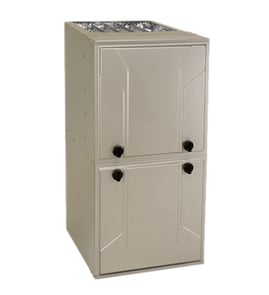



What companies make electric furnaces?
Several companies make electric furnaces, including Goodman, Rheem, Nortek brands, King Electric, and Stelpro. Your Icp NTGM100EHA3 is a gas furnace (not electric), so electric-furnace brand comparisons are mainly helpful if you are shopping for a different heating type; use our installation guide for safe, code-compliant setup details.
These are widely seen in the U.S. market for electric furnaces and electric air handlers:
- Goodman
- Rheem
- Nortek family brands (varies by region)
- King Electric
- Stelpro
Because NTGM100EHA3 is gas-fired, the parts, venting, and safety checks differ from electric heat.
| Topic | Gas furnace (like NTGM100EHA3) | Electric furnace |
|---|---|---|
| Heat source | Burners and gas valve | Electric resistance heat strips |
| Venting | Requires correct venting and combustion air | Typically no combustion venting |
| Key service items | Ignition, flame sensing, gas leak checks | Heat strip relays, sequencers, breakers |
Mixing up “electric furnace” and “gas furnace” can lead to ordering the wrong components or overlooking critical safety steps.
- Gas furnaces use a gas valve and ignition system; electric furnaces do not
- Gas furnaces require proper combustion air and venting checks
- Electrical wiring still matters on both types; power must be off before service
If you are troubleshooting a no-heat or poor-heat issue on NTGM100EHA3, these model-matched parts are commonly involved:
- Valve-nat 1170430 (gas valve)
- Furnace inducer vent motor assembly 1011412 (draft/venting)
- Furnace pilot igniter and sensor 1009524 (ignition and flame sensing)
You can order replacement parts from the parts list for this model, or search by model number on Sears PartsDirect.
Last updated: February 2026
How much does a 96 furnace cost?
A “96 furnace” usually means a 96% AFUE high-efficiency gas furnace. For a typical installed replacement in the U.S., the total cost commonly lands in the $4,500 to $10,000 range, depending on size (BTU), venting changes, and labor. For Icp model NTGM100EHA3, installation requirements in the installation guide can affect the final price.
- Furnace size (BTU output): larger homes and higher BTU models cost more.
- Venting and combustion air piping: longer runs, more elbows, or upsizing pipe increases labor and materials.
- Condensate drainage: adding a condensate pump or neutralizer (when needed) adds parts and labor.
- Ductwork and return air changes: filter rack changes, return sizing, and balancing dampers can add time.
- Electrical and gas line work: shutoff valve location, sediment trap, wiring updates, and permits.
Your NTGM100EHA3 installation guide calls out items that often affect install time and cost:
- Keep the furnace level.
- Plan for service clearance; a 30-inch front clearance is recommended for access.
- Venting uses pipe diameter tables and limits based on feet of pipe and number of elbows.
- Condensate guidance includes no loops in drain piping and draining to an inside drain to prevent freezing.
| Situation | Typical impact on installed cost | Why |
|---|---|---|
| Straight swap, existing venting and drain work | Lower | Minimal modifications |
| Vent pipe reroute or upsizing (more elbows/length) | Medium to high | More materials and labor |
| No indoor drain available (pump needed) | Medium | Added components and wiring |
| Return air or filter rack changes | Medium | Duct modifications and setup |
A 96% AFUE furnace saves fuel compared with lower-efficiency units, but it also adds complexity (PVC venting and condensate handling). Those installation details often matter more to total cost than the furnace cabinet itself.
If you are repairing instead of replacing, you can order model-matched parts for Icp NTGM100EHA3 from the parts list for this model, or search by model number on Sears PartsDirect. Common examples on this model include the furnace inducer vent motor assembly 1011412 and drain trap 1011850.
Last updated: February 2026
What is the most expensive part to replace in a furnace?
In most gas furnaces, the heat exchanger is the most expensive part to replace because it is the core component that transfers heat safely into the air stream. On the Icp NTGM100EHA3, other high-cost repairs often involve major assemblies like the inducer motor or the gas valve.
These parts tend to cost the most because they are labor-intensive to access, require careful setup, or are safety-critical:
- Heat exchanger: commonly the highest total repair cost (part plus labor)
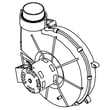
- Inducer assembly: moves combustion gases through the venting system; a common high-dollar assembly is the furnace inducer vent motor assembly 1011412
- Gas valve: controls fuel flow; replacement often includes setup and leak checks (example part: valve-nat 1170430)
- Blower motor: drives heated air through ductwork (example part: furnace blower fan motor 1009052)
- Control components: relays/timers and safety switches can add up when diagnosing intermittent issues
Cost is usually driven more by total job complexity than by the part alone.
| Cost driver | Why it increases total cost | Common examples |
|---|---|---|
| Access and disassembly | More panels, wiring, and duct connections to remove and reinstall | Heat exchanger, blower section work |
| Setup and verification | Requires pressure checks, combustion safety checks, and test runs | Gas valve, venting-related repairs |
| Root-cause troubleshooting | Time spent diagnosing can exceed the part cost | Intermittent shutdowns, nuisance trips |
| Safety-critical work | Extra care and testing required | Gas train, venting, limit circuits |
Your installation requirements matter because venting and combustion air issues can shorten component life. The installation guide notes this furnace must be vented to the outside and highlights conditions that can lead to condensation in the heat exchanger if return air temperatures are too low. Use the installation guide to confirm venting, combustion air piping, and setup checks.
The “most expensive part” question is really about avoiding repeat failures. Correct venting, adequate make-up air, proper airflow, and clean filters help protect big-ticket components like the heat exchanger, inducer, and blower motor.
If you are pricing a repair, you can order model-correct parts from the NTGM100EHA3 parts list on this page, or search by model number on Sears PartsDirect.
Last updated: February 2026
What is the lifespan of a natural gas furnace?
Most natural gas furnaces, including the Icp NTGM100EHA3 gas furnace, last 15 to 20 years. After about 15 years, efficiency typically drops and repairs (like inducer, blower, or gas valve issues) become more common, so planning ahead for major repairs or replacement makes sense.
A furnace can still run past 20 years, but these age-related changes usually show up first:
- Higher heating bills from reduced efficiency
- More frequent cycling or longer run times
- Noisy operation from blower or inducer wear
- Ignition problems (pilot/igniter/sensor wear)
- Safety shutdowns from overheating or airflow restrictions
Installation and operating conditions strongly affect lifespan. Your installation guide highlights that condensation and venting issues can damage components and shorten furnace life.
- Keep airflow strong: replace/clean filters on schedule and keep supply and return vents open
- Prevent overheating: address repeated limit switch trips promptly
- Avoid condensation problems: make sure venting and drainage are correct and the drain path stays clear
- Protect the gas train: correct gas piping practices (including a drip leg) help keep debris and moisture out of the gas valve
- Fix small issues early: unusual noises, delayed ignition, or frequent shutdowns should be diagnosed before they cascade into bigger failures
These are examples of parts on this model that often fail as a furnace gets older:
| Symptom | Common suspect part | Example on this model |
|---|---|---|
| Humming, hard starts, motor struggles | Run capacitor | Cap rnrd 12908 |
| Loud draft/whining, pressure switch issues | Inducer assembly | Furnace inducer vent motor assembly 1011412 |
| Weak airflow, squealing, overheating | Blower motor or wheel | Furnace blower fan motor 1009052, furnace blower fan wheel 601210 |
| No heat, ignition failures | Igniter/sensor or pilot burner | Furnace pilot igniter and sensor 1009524, furnace pilot burner 1149856 |
| Gas flow problems, no ignition | Gas valve | Valve-nat 1170430 |
Knowing the typical 15 to 20 year lifespan helps you decide when a repair is worth it. If your NTGM100EHA3 is near or past 15 years old and needs a major component (inducer, blower motor, or gas valve), comparing repair cost versus replacement is the practical next step.
You can order model-specific replacement parts from the parts list for NTGM100EHA3, or search by model number on Sears PartsDirect.
Last updated: February 2026
What are the parts of a furnace?
A gas furnace like the Icp NTGM100EHA3 is built around a heat-making section (burners and heat exchanger) and an air-moving section (blower and duct connections), plus safety and control parts that manage ignition, fuel flow, and airflow. For model-specific installation and airflow details, use the installation guide.
- Burners: mix gas and air to create flame and heat.
- Heat exchanger: transfers heat to the air stream while keeping combustion gases separated.
- Inducer (draft) motor: pulls combustion air in and pushes exhaust out through the vent.
- Ignition system: lights the burners (pilot/igniter style depends on the furnace design).
- Flame sensing: proves flame is present so gas can stay on safely.
- Gas valve: opens and closes to control gas flow.
- Blower motor and blower wheel: move heated air through supply ducts and back through return ducts.
- Limit switch and other safeties: shut the furnace down if it overheats or airflow is unsafe.
- Air filter: protects the blower and helps maintain airflow.
- Condensate drain and trap (high-efficiency furnaces): drains water created during operation.
These are common service parts shown for this model:
- Furnace inducer vent motor assembly 1011412 (draft/venting airflow)
- Furnace blower fan motor 1009052 (circulates air through ducts)
- Furnace blower fan wheel 601210 (moves air with the blower motor)
- Valve-nat 1170430 (gas flow control)
- Limit switch 1013105 (overheat protection)
- Drain trap 1011850 (condensate drainage)
- Cap rnrd 12908 (motor run capacitor used with certain motors)
Your installation typically includes additional items beyond the furnace cabinet itself:
- Vent pipe and combustion air inlet pipe (direct vent setups)
- Supply and return plenums and ductwork
- Condensate trap and drain line routing and freeze protection where needed
- Dampers (when used) that prevent operation unless positioned correctly
| Furnace section | What you will see | Why it matters |
|---|---|---|
| Combustion side | burners, igniter/pilot, flame sensor, gas valve, inducer | Safe ignition and proper venting |
| Airflow side | blower motor, blower wheel, filter, supply/return connections | Comfort, efficiency, and preventing overheating |
| Condensate side (if applicable) | drain trap, drain line | Prevents water backups and pressure switch issues |
Knowing the major furnace parts helps you troubleshoot symptoms faster. For example, poor airflow can trip a limit switch, while venting or drainage problems can affect the inducer and condensate system, especially in horizontal installations.
Last updated: February 2026