Owner’s manual
 Error Codes



Why are gas water heaters being phased out?
Gas water heaters like the State GS650HBRT301 are being phased out in some areas because local air-quality and climate policies target reductions in emissions from burning natural gas (especially nitrogen oxides and greenhouse gases). The exact timeline and rules depend on your city, county, and utility program, so always confirm requirements before replacing a unit.
What is driving the phase-outs?
Most phase-outs are policy-driven, not because gas water heaters suddenly stop working. Common drivers include:
- Air-quality rules that limit nitrogen oxides (NOx) from gas appliances
- Climate goals that encourage electrification (heat pump water heaters)
- Building codes that restrict gas hookups in new construction or major remodels
- Incentives and rebates that make electric options more cost-effective
- Regional implementation where rules apply only in certain districts or counties
What this means for your GS650HBRT301
You can usually keep operating an existing gas water heater as long as it is safe and functioning, but replacement options may change over time.
If you are repairing (not replacing)
Repairs typically focus on restoring safe ignition, combustion, and pressure protection. For this model, common service parts include:
- Water heater pilot assembly 100109243
- Igniter assembly 100109221
- Control valve 100109219
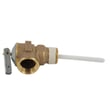
- Release valve 100108279
Repair vs. replace: quick comparison
| Situation | Usually makes sense to | Why |
|---|---|---|
| Pilot will not stay lit, ignition issues | Repair | Often isolated to pilot/igniter/control components |
| Leaking tank | Replace | Tank leaks are not a practical repair |
| You are in an area restricting new gas installs | Plan replacement carefully | Equipment type and venting may need to change |
Why it matters
A water heater change is not just a parts swap; fuel type, venting, combustion air, and safety controls all affect what is allowed and what will pass inspection. Using the correct procedures in the GS650HBRT301 owner's manual helps keep the system safe and code-compliant.
Last updated: February 2026
What's the average lifespan of a gas hot water heater?
Most tank-style gas water heaters, including the State GS650HBRT301, typically last 8 to 12 years. With consistent maintenance and good water conditions, many reach 12 to 15 years; heavy use, hard water, and neglected maintenance shorten service life. For model-specific maintenance intervals and procedures, use the GS650HBRT301 owner's manual.
Typical lifespan and what affects it
A gas water heater’s life is mainly driven by tank corrosion and sediment buildup.
- Water quality: hard or corrosive water accelerates tank wear
- Maintenance: periodic flushing and anode inspection extend life
- Temperature setting: higher temps increase scaling and stress
- Usage level: large households cycle the burner more often
- Installation conditions: poor venting or combustion air issues can cause overheating and nuisance shutdowns
Signs your water heater is near end of life
These symptoms often show up as the tank or combustion system ages:
- Rusty or discolored hot water
- Rumbling, popping, or banging (sediment on the tank bottom)
- Water around the base of the heater
- Pilot problems or frequent burner shutdowns
- Inconsistent hot water or slow recovery
Maintenance that most improves lifespan
If your goal is to get the longest life from a State gas water heater, focus on these items:
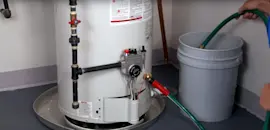
- Flush sediment from the tank periodically
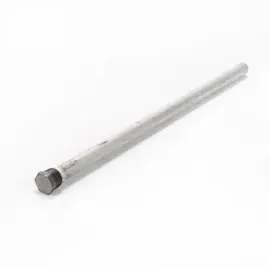
- Inspect and replace the anode rod when it is heavily depleted (a key corrosion protector)
- Verify the temperature and pressure relief valve operates correctly
- Keep the burner area clean and ensure proper airflow
Common lifespan-related parts for this model
| Part | What it helps prevent | When it matters most |
|---|---|---|
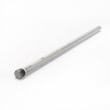
| Anode rod 100109624 | Tank corrosion | As the heater ages, especially in hard water |
| Release valve 100108279 | Overpressure and overheating risk | Any time the valve drips, sticks, or won’t test |
Why it matters
Once a tank starts leaking, replacement is the practical fix. Staying ahead with anode maintenance and sediment control helps you avoid sudden failure and keeps heating efficiency more consistent.
Last updated: February 2026
What is the most common problem with gas water heaters?
The most common gas water heater problem is ignition failure, meaning the pilot will not light or will not stay lit. On a State GS650HBRT301, this is usually tied to the pilot/ignition system getting dirty, misaligned, or worn, which stops the burner from firing and leaves you with no hot water.
Most common symptoms you will notice
- Pilot will not light, or goes out shortly after lighting
- Burner will not stay on long enough to heat the tank
- Water temperature swings from hot to lukewarm
- You smell gas near the heater (shut off gas and ventilate)
- Sooting or a weak, yellow pilot flame
Quick checks we recommend first (before replacing parts)
- Confirm the gas shutoff valve is fully open.
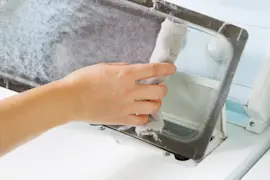
- Make sure the combustion air intake area is clear; lint and dust can starve the burner.
- Look through the viewing area for pilot flame quality (steady blue is the goal).
- If the pilot lights but will not hold, inspect the pilot assembly and connections.
- If the burner lights but performance is poor, sediment in the tank can reduce heating efficiency.
Parts that commonly solve “pilot will not stay lit”
If basic checks do not restore reliable ignition, these model-matched parts are the most common fixes:
| Problem pattern | Likely area | Model-matched part to consider |
|---|---|---|
| Pilot will not light at all | Ignition source | Igniter assembly 100109221 |
| Pilot lights but will not stay lit | Pilot safety/assembly | Water heater pilot assembly 100109243 |
| Burner lights inconsistently or flame looks wrong | Burner/orifice path | Burner tube 100109242 and orifice 100109241 |
Why it matters
A stable pilot and clean burner system are what allow safe, consistent gas flow and proper heating. When ignition components are dirty or failing, the heater can shut down repeatedly, waste fuel, and leave you without dependable hot water.
For model-specific lighting steps, shutdown procedure, and maintenance intervals, follow the GS650HBRT301 owner's manual.
Last updated: February 2026
What brand of gas water heater is the most reliable?
If you want the most reliable gas water heater brand, we see the best long-term results from established manufacturers with strong parts availability and proven tank designs. Since your model GS650HBRT301 is a State gas water heater, State is already in that “reliable, serviceable” category when it is installed correctly and maintained per the owner's manual.
What “most reliable” usually means
Reliability is less about a single brand name and more about whether the heater can be serviced easily and protected from the most common failure causes.
Key reliability factors we look for:
- Readily available replacement parts (pilot, igniter, gas control, anode rods)
- Stable burner and pilot operation (clean combustion, consistent ignition)
- Corrosion protection (anode rod condition)
- Correct venting and combustion air supply
- Proper temperature and pressure protection (T&P relief valve)
Brand comparison (practical view)
These are common “reliable” picks when matched to the right application and maintained.
| Brand type | What it’s known for | Best fit for |
|---|---|---|
| Established tank brands (including State) | Serviceable designs, common parts, long track record | Most homes needing dependable storage hot water |
| Premium or specialty lines | Higher efficiency options, upgraded components | Higher demand homes, efficiency-focused installs |
| Tankless-focused brands | On-demand hot water, efficiency potential | Homes sized and vented for tankless systems |
How to get maximum reliability from your State GS650HBRT301
Most “brand reliability” complaints trace back to maintenance and combustion issues. These steps prevent the most common breakdowns:
- Inspect and replace the anode rod on schedule; use the correct anode rod 100109624
- Keep the burner area clean and make sure the air intake screen is not clogged
- If the pilot will not stay lit or ignition is inconsistent, check the water heater pilot assembly 100109243 and igniter assembly 100109221
- Verify the temperature and pressure relief valve is in good condition; replace with the correct release valve 100108279 if it leaks or will not operate properly
- Follow the lighting, shutdown, and temperature setting instructions in the owner's manual
Why it matters
A reliable gas water heater is one that stays safe and stable under daily use. Choosing a proven brand helps, but correct installation, clean combustion, and anode-rod maintenance are what most directly extend tank life and reduce no-hot-water calls.
Last updated: February 2026
How to tell if a gas water heater is bad?
A State GS650HBRT301 gas water heater is “bad” when it has a tank leak, repeated pilot outages, unsafe pressure relief valve behavior, or it cannot deliver steady hot water even after basic maintenance. We use the symptoms below to decide whether a repair (pilot, burner, valve) makes sense or replacement is the safer path.
Quick signs your water heater is failing
- Water pooling or rust streaks at the base of the tank (often indicates a tank leak)
- Hot water runs out fast or temperature swings during use
- Popping, rumbling, or crackling sounds (sediment buildup on the tank bottom)
- Pilot won’t stay lit or ignition is unreliable
- Discolored or smelly hot water (corrosion or bacteria issues)
- Pressure/temperature relief valve drips or won’t operate correctly
What to check first (common, fixable causes)
Before you assume the tank is done, we check the serviceable items that commonly cause “no hot water” or nuisance shutdowns:
| Symptom | Most likely cause | Parts to consider for GS650HBRT301 |
|---|---|---|
| Pilot won’t stay lit | Weak pilot, dirty pilot, failing thermocouple style sensor (in assembly) | Water heater pilot assembly 100109243 |
| No ignition or intermittent lighting | Igniter issue or wiring/connection problem | Igniter assembly 100109221 |
| Lazy yellow flame, soot, poor heating | Dirty burner, restricted air intake, incorrect gas flow | Burner head 100109226, burner tube 100109242 |
| Relief valve leaking or won’t test properly | Worn or fouled relief valve | Release valve 100108279 |
| Rotten egg odor or accelerated corrosion | Anode depleted | Anode rod 100109624 |
When it is truly “bad” (replacement-level problems)
These conditions usually mean the tank itself is failing, not just a replaceable component:
- Active tank leak from the tank body, seams, or bottom pan area
- Severe internal corrosion (persistent rusty water plus recurring leaks)
- Heavy sediment that keeps returning quickly and causes chronic overheating noises
Why it matters
A failing gas water heater can waste energy, deliver inconsistent hot water, and create safety risks if combustion or pressure relief components are not operating correctly. Catching the difference between a bad tank and a bad ignition or burner part helps you avoid unnecessary replacement.
For model-specific lighting, shutdown, and maintenance steps, follow the GS650HBRT301 owner's manual.
Last updated: February 2026