Owner’s manual
 View engine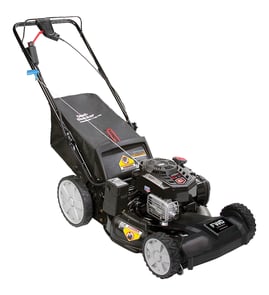


Is it okay to put 93 octane in a lawn mower?
Yes, it’s okay to use 93 octane in your Craftsman 917388115 gas walk-behind mower, but it usually provides no benefit. Octane mainly affects knock resistance; most small 4-cycle mower engines run best on regular unleaded, clean, fresh fuel.
What to use (and what matters more than octane)
For this type of Craftsman walk-behind mower, fuel freshness and cleanliness matter more than premium octane.
- Use fresh, clean unleaded gasoline from a clean container.
- Avoid using stale fuel (old gas is a common no-start cause).
- Keep dirt and rust out of the can and tank; contamination leads to fuel problems.
- Store the mower safely; never store it indoors with gasoline in the tank where fumes could reach a flame or spark.
- Follow the fuel and storage guidance in the owner's manual.
When premium fuel can make sense
Premium (89 to 93 octane) can be reasonable in a few situations, but it’s not required for normal mowing.
| Situation | Regular gas | Premium gas (93) |
|---|---|---|
| Normal mowing at typical elevations | Best choice | No added performance benefit |
| High elevation use (around 5,000 ft and up) | Usually fine | Can be used if it runs smoother |
| Fuel sits for long periods | Not ideal unless stabilized | Not ideal unless stabilized |
If the mower won’t start after fueling
If your Craftsman 917388115 won’t start, the manual’s troubleshooting list points to fuel condition and basic ignition checks.
- Confirm you have fuel and it is not stale
- Check for water or contamination in the fuel
- Make sure the spark plug wire is connected
- Check the air filter condition
- Inspect for a loose blade or a damaged blade adapter (this can affect starting and operation)
If you’re servicing the cutting system, use the correct, approved blade for this mower; a common replacement is the lawn mower blade 532406712.
Why it matters
Using 93 octane won’t hurt the engine, but it can waste money and distract from the real reliability factors: fresh fuel, clean storage practices, and routine maintenance that prevents hard starting and poor performance.
Last updated: February 2026
Does anyone make a 36 inch zero turn mower?
Yes. Several manufacturers make 36-inch zero-turn mowers; they are a common choice when you need zero-turn maneuverability but also need a compact deck to fit through tighter gates and mow smaller properties. For your Craftsman walk-behind mower model 917388115, deck size and operation details are covered in the 917388115 owner's manual.
What “36-inch zero-turn” means (and who it’s for)
A 36-inch deck is considered a compact commercial or prosumer size. It is typically used for:
- Narrow gates and fenced backyards
- Tight landscaping with lots of turns and obstacles
- Smaller lawns where a 42 to 60 inch deck is overkill
- Crews that want a stand-on or small ZTR for trimming areas
Quick comparison: 36-inch zero-turn vs. your 21-inch walk-behind
| Feature | 36-inch zero-turn mower | Craftsman 917388115 walk-behind |
|---|---|---|
| Typical cut width | 36 inches | 21 inches (blade size listed in parts breakdown) |
| Turning | True zero-turn | Push/assist turning |
| Best for | Speed and maneuvering | Precision, lower storage space |
| Maintenance focus | Belts, hydro drives, spindles | Blade, adapter, wheels, controls |
Why it matters when choosing deck size
A wider deck can reduce mowing time, but it also changes how you maintain the machine and how safely you operate it. Our 917388115 manual emphasizes basics that apply to any mower type: clear the area of debris, keep guards in place, and shut the engine off before cleaning or unclogging.
If you are maintaining your 917388115 instead
If your real goal is faster, cleaner cutting from your current mower, these are the most common wear items to check first:
- Blade condition and balance; replace if bent or badly worn (see lawn mower blade 532406712)
- Blade mounting fit; inspect the adapter for rounding or cracking (see blade adapter 532418373)
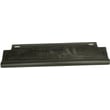
- Rear discharge and mulching components; confirm they close and latch correctly (see mulcher door 596210401)
- Wheel height adjusters; keep all wheels set to the same cutting height
- Safety controls; never defeat the operator presence control bar
Last updated: February 2026
What size belt is a Craftsman 54 inch deck mower?
A Craftsman 54-inch deck mower belt size depends on the exact tractor model and deck part number; it is not the same as the belt (if any) used on a walk-behind mower like Craftsman model 917388115. For 917388115, use the parts list in the owner's manual to identify the correct replacement parts for your mower.
Why the belt size varies on 54-inch decks
“54-inch deck” describes cutting width, not a specific belt. Belt length and width change based on:
- Tractor model number (the most important detail)
- Deck design and deck part number
- Whether it is a deck drive belt vs. motion/ground drive belt
- Idler pulley and tensioner layout
- Belt routing and guard configuration
How to get the right belt for your mower
If you have a Craftsman riding mower with a 54-inch deck, match the belt by model and deck, not by deck size alone.
- Find the tractor model number on the product label (often under the seat or on the frame).
- Look up the deck diagram and belt routing for that exact model.
- Confirm belt width and effective length from the parts list.
Quick check: walk-behind vs. 54-inch deck tractor
| Item | Craftsman 917388115 | Craftsman 54-inch deck mower |
|---|---|---|
| Mower type | Walk-behind | Riding mower/tractor |
| Uses a deck belt | Typically no | Yes |
| Best way to identify parts | Manual parts list | Tractor model and deck diagrams |
Related parts customers often replace on 917388115
If you are actually working on the Craftsman 917388115 walk-behind mower, these common wear items match this model’s parts list:
- Lawn mower blade 532406712 (blade replacement)
- Blade adapter 532418373 (blade mounting and drive interface)
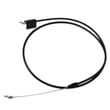
- Lawn mower zone control cable 532183281 (engine stop/control cable)
Why it matters
Using the wrong belt on a 54-inch deck can cause slipping, poor blade speed, premature belt wear, or damage to pulleys and guards. Matching by exact model and deck configuration prevents repeat failures.
Last updated: February 2026
How to find Craftsman lawn mower model?
Your Craftsman walk-behind mower’s model number is printed on a decal on the rear of the mower housing. On model 917388115, you’ll typically find it on the back of the deck near the rear discharge area; record both the model and serial number for parts lookup and service.
Where to look on model 917388115
Check these common spots on the mower deck:
- Rear of the mower housing (most common location)
- Back of the deck under or near the rear guard or rear skirt area
- Flat area of the deck where the decal is less likely to be scraped off
- Near the handle mounting area on the rear portion of the deck
For the exact decal location and how it’s referenced in documentation, use the owner's manual.
What to write down (and why)
We recommend recording these items exactly as shown on the decal:
- Model number (example: 917388115)
- Serial number (unique to your mower)
- Date of purchase (helpful for maintenance and records)
Why it matters
The model number narrows you to the correct parts diagram and part fit. The serial number helps confirm production variations so you get the right blade, blade adapter, wheels, and hardware the first time.
Quick ID checklist
Use this table to avoid mix-ups when ordering parts.
| Item on decal | What it’s used for | Example for this mower |
|---|---|---|
| Model number | Finds the correct parts list and diagrams | 917388115 |
| Serial number | Confirms exact build/version | Varies |
| Engine info | Helps when servicing engine-specific parts | Briggs & Stratton 625 Series (varies by label) |
If the decal is missing or unreadable
If the decal is damaged, these steps usually solve it:
- Clean the rear deck area with a damp cloth and mild soap; dried grass can hide the print
- Look for an outline where a decal used to be on the rear housing
- Use the parts diagrams in the owner's manual to match major assemblies (handle, rear door, wheels)
- If you’re replacing common wear items, match by part fit and description (for example, the lawn mower blade 532406712)
Last updated: February 2026
What are the common problems with Craftsman lawn mowers?
Common problems on the Craftsman 917388115 gas walk-behind mower are no-start or starts-then-dies issues (fuel, spark, air), poor or uneven cutting (dull/bent blade, deck buildup, uneven wheel height), excessive vibration (loose or damaged blade or adapter), and a starter rope that is hard to pull (brake or blade drag). Use the owner's manual troubleshooting chart to match symptoms to the fastest checks.
Most common symptoms and what usually causes them
- Won’t start / runs rough: old fuel, dirty air filter, fouled spark plug, restricted fuel flow
- Starts then dies: partially clogged carburetor jet, stale gas, dirty air filter
- Loss of power: heavy grass load, deck packed with clippings, dirty air filter
- Poor cut (uneven): worn or bent blade, uneven wheel height, debris under deck
- Excessive vibration: loose blade bolt, damaged blade, worn blade adapter
- Starter rope hard to pull: blade dragging in grass, brake engaged when control bar released
Quick checks we recommend (in order)
- Safety first: disconnect the spark plug wire before working near the blade.
- Fuel: drain old gas and refill with fresh fuel; stale fuel is the most common seasonal issue.
- Air and spark: clean/replace the air filter and inspect/replace the spark plug.
- Deck and blade: clean grass buildup under the deck; inspect the blade for bends, cracks, or heavy nicks.
- Hardware tightness: confirm the blade bolt and blade adapter are secure.
Parts that commonly solve cutting and vibration problems
If the blade is bent, worn, or causing vibration, replacement is often the correct fix.
| Symptom | Most likely fix | Example part for 917388115 |
|---|---|---|
| Uneven cut | Replace dull/bent blade | Lawn mower blade 532406712 |
| Vibration | Replace worn blade adapter | Blade adapter 532418373 |
| Side discharge issues | Replace damaged guard | Discharge guard 589482402 |
Why it matters
A sharp, balanced blade and a clean deck reduce engine load, improve cut quality, and help prevent vibration that can damage the crankshaft or loosen fasteners over time.
Last updated: February 2026