Owner’s manual
 Error Codes


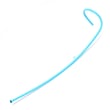
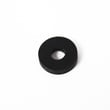

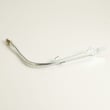
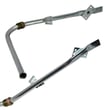
What are the parts on a gas water heater?
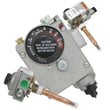
On the Kenmore 153332463 gas water heater, the main serviceable parts include safety devices (like the temperature and pressure relief valve), ignition parts (pilot and thermocouple), and water-flow parts (dip tube and drain valve). Together, they heat water safely and deliver it to your home.
These are key components commonly listed for Kenmore model 153332463:
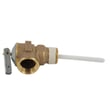
- Temperature and pressure relief (T&P) valve: releases excess temperature or pressure
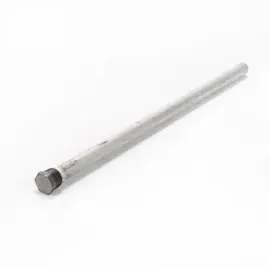
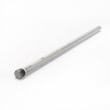
- Anode rod: helps protect the tank from corrosion
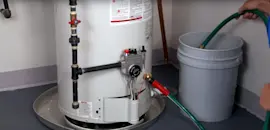
- Drain valve (and washer): used to drain and flush sediment
- Pilot assembly and pilot tube assembly: supports ignition and pilot gas flow
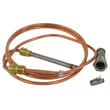
- Thermocouple: proves the pilot flame so the gas valve can stay open
- Manifold and burner tube: routes gas to the burner for heating
- Dip tube: directs incoming cold water to the bottom of the tank
For part identification, diagrams, and safe service steps, use the 153332463 owner's manual.
These are common replacement parts available for this model:
- Anode rod 100109624
- Water heater temperature and pressure relief valve 100108279
- Water heater pilot tube assembly 100108370
- Dip tube 100108608
- Water heater drain valve 100108361
| Part | What it does | Common symptom when it fails |
|---|---|---|
| T&P relief valve | Vents excess pressure/temperature | Dripping or discharge from relief line |
| Anode rod | Reduces tank corrosion | Rusty odor, accelerated tank wear |
| Pilot system (pilot, pilot tube) | Lights burner reliably | No heat, pilot will not light |
| Thermocouple | Keeps gas on only when pilot is lit | Pilot will not stay lit |
| Dip tube | Improves hot water delivery | Short hot-water runs, lukewarm water |
Knowing the major gas water heater parts helps you troubleshoot symptoms faster and order the correct replacement. It also supports safer maintenance, especially around gas ignition components and pressure-relief safety devices.
Last updated: February 2026
What is the average labor cost to install a 50 gallon gas water heater?
For a typical 50-gallon gas water heater replacement, average labor commonly runs about $400 to $1,000. Labor goes up when the installer must modify venting, adjust gas piping, add an expansion tank, or meet local code requirements; review the safety and location requirements in the owner's manual.
Labor pricing is mostly about how much work is required beyond swapping the tank.
- Venting changes (new vent pipe size, new vent run, new draft hood connections)
- Gas line work (new shutoff, sediment trap, resizing, leak testing)
- Water piping updates (new shutoff valve, corrosion, hard-to-reach connections)
- Code items (earthquake strapping in some areas, garage stand, drain pan)
- Permits and inspection time (varies by city and county)
| Installation scenario | What it usually includes | Typical labor range |
|---|---|---|
| Like-for-like replacement | Same location, minimal piping changes | $400 to $700 |
| Moderate updates | Minor venting or piping changes | $700 to $1,000 |
| Complex install | Significant venting, gas line reroute, multiple code upgrades | $1,000+ |
For Kenmore model 153332463, the manual emphasizes correct location and venting to reduce carbon monoxide and fire risk. Use this checklist to avoid surprises in the quote.
- Confirm tank size and fuel match your home setup (gas type, venting style)
- Verify minimum vent pipe size and vent condition
- Check whether your area requires bracing/strapping (common in earthquake zones)
- Plan for a drain pan if the heater is over finished space
- Ask whether an expansion tank is needed for thermal expansion
Gas water heater installation is not just plumbing; it is also combustion safety. Paying for the right venting, gas leak testing, and code-required accessories helps prevent nuisance shutdowns, poor draft, and unsafe operating conditions.
Last updated: February 2026
What is the life expectancy of a Kenmore water heater?
A Kenmore gas water heater like model 153332463 typically lasts 8 to 12 years. Regular maintenance (especially flushing sediment and checking corrosion protection) helps you reach the high end of that range and reduces the chance of early tank failure.
- Water quality and sediment: Hard water builds scale faster, which makes the heater work harder.
- Maintenance frequency: Periodic draining and flushing slows sediment buildup.
- Corrosion protection: A worn anode rod lets the tank corrode faster.
- Temperature setting: Higher settings increase stress on the tank and can increase scaling.
- Installation and venting: Proper setup helps the burner run efficiently and safely (see the owner's manual).
We recommend these practical steps for most gas water heaters:
- Flush a few gallons from the drain valve periodically to reduce sediment.
- Inspect and replace the anode rod when it is heavily worn.
- Test the temperature and pressure relief valve for proper operation.
- Watch for signs of combustion or pilot issues (delayed heating, pilot outages).
- Keep the area around the heater clean and ensure adequate combustion air.
| Maintenance item | What it helps prevent | Example part for model 153332463 |
|---|---|---|
| Anode rod | Tank corrosion and early leaks | Anode rod 100109624 |
| Temperature and pressure relief valve | Overpressure conditions and nuisance leaking | Water heater temperature and pressure relief valve 100108279 |
| Drain valve | Difficulty flushing, dripping at drain | Water heater drain valve 100108361 |
Once a tank starts leaking, replacement is usually the practical fix. Keeping sediment down and corrosion protection active helps your Kenmore 153332463 deliver consistent hot water longer and reduces the risk of unexpected downtime.
Last updated: February 2026
What is the most common problem with gas water heaters?
The most common gas water heater problem is a pilot that will not stay lit. On Kenmore model 153332463, the manual also highlights normal condensation that can look like a leak and can cause sizzling noises or even pilot outage during start-up and heavy hot-water use.
- Pilot goes out or will not stay lit: pilot flame is not being maintained; common causes include a failing thermocouple, restricted pilot, or pilot feed issues.
- Water on the floor (especially at start-up): often condensation, not a tank leak; it typically clears after the tank warms.
- Sizzling or frying sound near the burner: condensation dripping on hot surfaces during heating.
- Popping or rumbling: sediment buildup in the tank.
- Water too hot: temperature dial set too high; allow time after adjustments for the new setting to stabilize.
Follow the safety steps and troubleshooting guidance in the owner's manual.
- Give a new fill or cold start 1 to 2 hours; condensation often disappears once the tank warms.
- If you suspect a leak, check where the water is coming from (draft hood area, piping joints, drain valve, relief valve discharge pipe).
- If the pilot will not stay lit, inspect the pilot area for obvious damage or loose connections; a common replacement on this model is the water heater pilot tube assembly 100108370.
- If you see dripping at the discharge pipe or valve area, inspect the water heater temperature and pressure relief valve 100108279 and nearby fittings.
| Symptom | Most likely area | Example part on this model |
|---|---|---|
| Pilot will not stay lit | Pilot feed and pilot components | Pilot tube assembly |
| Water at base after start-up | Condensation and venting/drafting | Use manual checks for venting and draft |
| Drips at relief valve/discharge | Relief valve or high pressure | Temperature and pressure relief valve |
Pilot and venting issues affect combustion and reliable hot water. Condensation is normal in many situations, but persistent moisture, sooting, or drafting problems need correction for safe operation.
Last updated: February 2026