Error Codes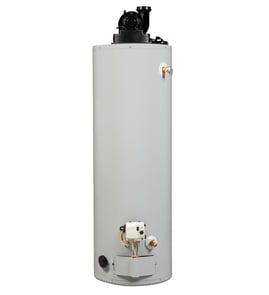



What is the lifespan of a 40 gallon gas water heater?
A 40-gallon gas water heater like the State 5-40-NORT6 typically lasts 8 to 12 years. Regular maintenance (flushing sediment and replacing wear items) helps you reach the high end of that range; neglected tanks often fail sooner.
Typical lifespan and what changes it
Most tank-style gas water heaters fall into a predictable life range, but these factors move the needle:
- Water hardness and sediment (more buildup shortens tank life)
- Anode rod condition (a consumed rod speeds up tank corrosion)
- Temperature setting (higher temps increase stress and scale)
- Usage level (more hot water demand equals more burner cycles)
- Installation quality (venting, gas pressure, and combustion air)
Maintenance that extends life
These are the highest-impact tasks for a 40-gallon gas tank heater:
- Flush a few gallons from the drain valve several times per year to reduce sediment
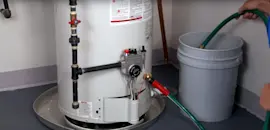
- Do a full tank flush periodically if sediment is heavy
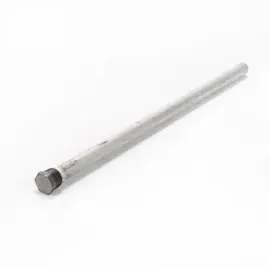
- Inspect and replace the anode rod when it is significantly worn
- Keep the burner area clean and make sure the flame looks steady and mostly blue
- Replace a weak pilot or thermocouple if the pilot will not stay lit
Common parts that support maintenance
| Maintenance need | What you may replace | Example part for this model |
|---|---|---|
| Corrosion protection | Anode rod | Anode rod 100300397 |
| Pilot will not stay lit | Pilot assembly | Pilot 100109070 |
| Poor combustion or weak heating | Burner | Water heater burner 100108399 |
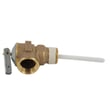
| Safety valve weeping or leaking | T&P relief valve | Water heater temperature and pressure relief valve 100108279 |
Signs it is near end of life
Plan for replacement soon if you notice:
- Rust-colored hot water or metallic odor that persists
- Water around the base of the tank (especially from the tank body, not fittings)
- Popping or rumbling from heavy sediment
- Longer recovery time or inconsistent hot water
- Frequent pilot outages after you have addressed pilot and thermocouple issues
Why it matters
Once the tank itself starts corroding through, repairs stop being cost-effective. Staying ahead with flushing and an anode rod replacement helps protect the tank and keeps heating efficiency more consistent.
Last updated: February 2026
What is the average cost to install a 40 gallon gas water heater?
For a 40-gallon gas water heater like the State 5-40-NORT6, total installed cost typically runs about $900 to $3,000, with many homeowners landing around $1,000 to $2,500 depending on venting, gas-line work, plumbing updates, and local labor rates.
What drives the price up or down
Common cost factors include:
- Venting type and condition (chimney, power vent, direct vent) and whether it must be modified
- Gas piping changes (new shutoff valve, sediment trap, resizing, or relocation)
- Water piping updates (new shutoff, dielectric unions, expansion tank, code-required fittings)
- Pan and drain line needs (especially in attics, closets, or finished areas)
- Permits and inspection requirements in your area
- Access and removal (tight closets, stairs, hauling away the old tank)
Typical cost breakdown (what you are paying for)
These ranges are common for a straightforward replacement; complex installs can exceed them.
| Cost item | Typical range | Notes |
|---|---|---|
| Water heater unit | $400 to $1,000+ | Higher for premium venting/efficiency features |
| Labor | $400 to $1,500+ | More if venting or gas piping must be reworked |
| Materials and code items | $100 to $600+ | Valves, connectors, fittings, pan, expansion tank |
| Permit/inspection | $0 to $300+ | Varies by city/county |
Parts that are often replaced during installation
Even when the tank is new, installers commonly replace wear or safety items so the system is reliable and up to code.
- Water heater temperature and pressure relief valve 100108279 (critical safety valve)
- Water heater drain valve 100108361 (helps with future flushing and service)
- Dip tube 100108608 (affects hot-water delivery if the old one is damaged)
- Anode rod 100300397 (helps protect the tank from corrosion)
Why it matters
A low quote often means fewer code upgrades or reused fittings; a higher quote often includes venting corrections, safer gas connections, and better leak protection. For a gas water heater, correct venting and combustion setup are as important as stopping leaks.
Last updated: February 2026
What water heater do plumbers recommend?
Plumbers typically recommend water heaters that are easy to service, have readily available replacement parts, and match the home’s fuel type and hot-water demand. For a State 5-40-NORT6 gas water heater, the best “recommended” choice is the one that can be maintained with the correct safety and combustion parts, such as a reliable pilot and a properly working relief valve.
What plumbers prioritize (and what you should look for)
- Correct size for your household (tank gallons or tankless flow rate)
- Fuel type match (natural gas, propane, electric)
- Proven safety components (especially the temperature and pressure relief valve)
- Serviceability (burner and pilot access, common fittings)
- Parts availability for routine repairs (pilot, thermocouple, drain valve, anode rod)
How to choose between common water heater types
| Type | Best for | What plumbers like about it | Tradeoffs |
|---|---|---|---|
| Standard tank (gas) | Most homes | Simple, widely serviceable | Limited hot water during heavy use |
| High-efficiency tank | Higher usage, efficiency goals | Better efficiency than basic tanks | Higher upfront cost |
| Tankless (gas) | Space savings, long draws | Endless hot water when sized right | Needs maintenance and correct venting |
| Hybrid (heat pump) | Warm climates, electric homes | Very efficient | Needs space and airflow |
Why it matters for your State 5-40-NORT6
A plumber’s “best” recommendation often comes down to long-term reliability. On a gas tank model like the State 5-40-NORT6, reliability is strongly tied to keeping the combustion system clean and the safety controls working correctly.
Parts that most directly affect reliability and safety
- Water heater temperature and pressure relief valve 100108279 (critical safety device)
- Pilot 100109070 (ignition reliability)
- Water heater burner 100108399 (steady flame and efficient heating)
- Anode rod 100300397 (tank corrosion protection)
- Water heater drain valve 100108361 (easier flushing and maintenance)
Practical guidance we use when helping customers decide
- If your current tank is otherwise in good shape, replacing wear parts (pilot, burner, anode rod) is often the most cost-effective path.
- If you routinely run out of hot water, plumbers usually recommend upsizing capacity or moving to a properly sized tankless system.
- If your water is hard or you see sediment, routine flushing and anode rod maintenance matter as much as brand choice.
Last updated: February 2026
How often should I change out the anode rod for a water heater?
For your State 5-40-NORT6 gas water heater, we recommend checking the anode rod about once a year and replacing it every 2 to 5 years. If your water is hard or you use a water softener, plan on replacing it closer to the 2-year mark to protect the tank.
Quick replacement rule of thumb
Replace the anode rod when you see any of these conditions:
- The core wire is exposed or the rod is heavily pitted
- The rod is worn down to about 1/2 inch thick (roughly “pencil thin”)
- Hot water has a strong metallic smell or you notice faster-than-normal corrosion signs
- You have hard water, high usage, or a water softener (anodes get consumed faster)
Why the anode rod matters
The anode rod is a sacrificial metal rod that corrodes first so the steel tank corrodes last. Staying on schedule is one of the most effective ways to extend water heater life and reduce the chance of tank leaks.
What to expect by water conditions
Typical replacement timing looks like this:
| Water condition | Typical anode rod interval | What you’ll notice first |
|---|---|---|
| Average water quality | 3 to 5 years | Gradual wear at annual checks |
| Hard water | 2 to 3 years | Faster pitting and thinning |
| Water softener installed | 1 to 3 years | Very fast consumption of the rod |
Parts that fit this model
If your inspection shows the rod is spent, use a model-compatible replacement. On this model page we list anode rod options such as anode rod 100300397 and annode rod 100108571.
Related maintenance to do at the same time
When you service the anode rod, these checks help prevent repeat problems:
- Verify the temperature and pressure relief valve discharge pipe is installed correctly; replace the valve if it seeps (example: water heater temperature and pressure relief valve 100108279)
- Flush a few gallons from the tank to reduce sediment
- Check for slow leaks at the drain outlet; replace if it drips (example: water heater drain valve 100108361)
Safety notes before you start
Working around gas and hot water is hazardous. We recommend shutting off the gas supply, turning the control to OFF, and letting water cool before servicing. If you smell gas or the burner area looks damaged, stop and contact a qualified technician.
Last updated: February 2026
What are common problems with state 5-40-NORT6 water heaters?
Common problems on the State 5-40-NORT6 gas water heater include pilot light failures, burner ignition trouble, not enough hot water, and minor leaks at safety or service valves. These symptoms most often trace to the pilot system, burner, dip tube, or a valve that is sticking or seeping.
Most common symptoms and likely causes
- Pilot will not light or will not stay lit: dirty pilot, weak thermocouple signal, or a failing pilot assembly
- Weak or no hot water: gas control/thermostat issues, restricted burner, or a damaged dip tube
- Delayed ignition, rumbling, or soot: dirty burner, poor combustion air, or sediment buildup in the tank
- Dripping from the discharge pipe: temperature and pressure relief valve opening from overheating or pressure spikes
- Leak at the drain outlet: drain valve worn or debris preventing it from sealing
Parts on this model that commonly fix these problems
| Problem you see | Part that often fixes it | What it does |
|---|---|---|
| Pilot will not stay lit | Pilot 100109070 | Provides the pilot flame to light the main burner |
| Weak pilot flame | Water heater pilot tube assembly 100108370 | Feeds gas to the pilot; kinks or blockage reduce flame |
| Burner ignition issues | Water heater burner 100108399 | Mixes gas and air for a stable main flame |
| Dripping relief line | Water heater temperature and pressure relief valve 100108279 | Opens if temperature or pressure gets too high |
| Drain area leak | Water heater drain valve 100108361 | Seals the drain outlet used for flushing |
Quick checks we recommend before replacing parts
- Confirm the gas shutoff valve is fully open and other gas appliances work.
- Check the burner area for dust, lint, or soot that can disrupt combustion.
- If hot water runs out fast, inspect the dip tube and consider replacement with dip tube 100108608.
- If the relief valve drips, address overheating and verify your plumbing has proper pressure control.
Why it matters
Pilot and burner problems stop heating; valve leaks waste water and can signal unsafe temperature or pressure conditions. Fixing the root cause early prevents no hot water and reduces stress on the tank.
Last updated: February 2026